
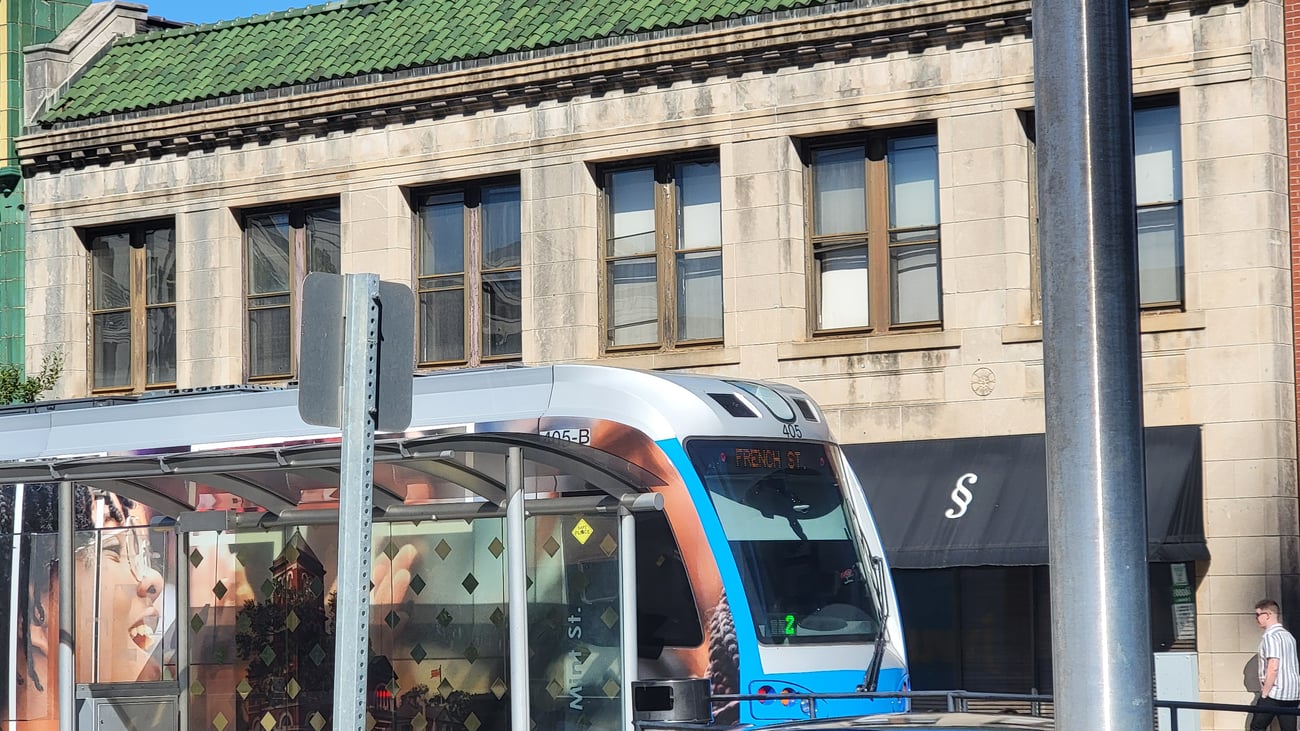
Charlotte Light Rail Stabbing Lawsuit Targets City, Professional Police Services
Summary
- Iryna Zarutska, a 23-year-old Ukrainian refugee, was stabbed to death on the Charlotte light rail system in August 2025.
- Decarlos Dejuan Brown Jr., the suspect, did not have a ticket at the time of the incident and had a history of violence.
- The city's failure to enforce fares and provide adequate security measures is cited as a contributing factor to Zarutska's death.
- The lawsuit alleges negligence on the part of both the city of Charlotte and Professional Police Services Inc.
- The case highlights the importance of adequate staffing and fare enforcement in preventing violent crime on public transportation.
What Happened
Having a physical barrier at the light rail stations 'would have prevented Iryna Zarutska's death,' Haskell said, 'because Decarlos Brown Jr. would not have been permitted to board the light rail on August 22, 2025.'
A tragic incident on the Charlotte light rail system led to the death of Iryna Zarutska, a 23-year-old Ukrainian refugee. On August 22, 2025, Zarutska was stabbed by Decarlos Dejuan Brown Jr., who did not have a ticket at the time of the incident. The case drew national attention after the Charlotte Area Transit System released footage of the stabbing. An investigation revealed that Brown had a history of violence and had been arrested in January 2025 for misusing public transportation, but was still able to board the light rail without paying his fare. Zarutska's family claims that the city's failure to enforce fares and provide adequate security measures contributed to her death.
Relevant Legal/Regulatory Context
The lawsuit filed by Zarutska's estate against the city of Charlotte and Professional Police Services Inc. alleges negligence on the part of both defendants. The complaint cites a pattern of violent crime along the Blue Line, including four homicides between December 2024 and Zarutska's death. It also highlights the city's failure to adequately train security personnel to prevent such incidents. The lawsuit notes that the city had reduced armed security from 68 to 39 staff in 2018, leaving the system understaffed. Additionally, the city failed to verify Professional Police Services' staffing after transferring armed security duties to the company. This lack of oversight led to a shortage of security personnel on the Blue Line light rail cars, making it difficult for them to respond effectively to violent incidents.
Why It Matters
This lawsuit serves as a stark reminder of the importance of adequate staffing and fare enforcement in preventing violent crime on public transportation. The city's failure to provide reasonable safety measures, such as physical barriers or real-time coordination with law enforcement, can lead to liability for transit authorities. As lawyers, it is crucial to consider these factors when representing clients who have been affected by violent incidents on public transportation. By highlighting the need for adequate security measures, this lawsuit aims to prevent similar tragedies from occurring in the future.
Practical Implications
This lawsuit highlights the importance of adequate staffing and fare enforcement in preventing violent crime on public transportation. Lawyers should be aware that a failure to provide reasonable safety measures, such as physical barriers or real-time coordination with law enforcement, can lead to liability for transit authorities.
Source
How does this affect you?
Get an AI analysis of this article grounded in your jurisdictions, practice areas, and any policy documents you've uploaded to Wansom.
Wansom is AI and can make mistakes.