
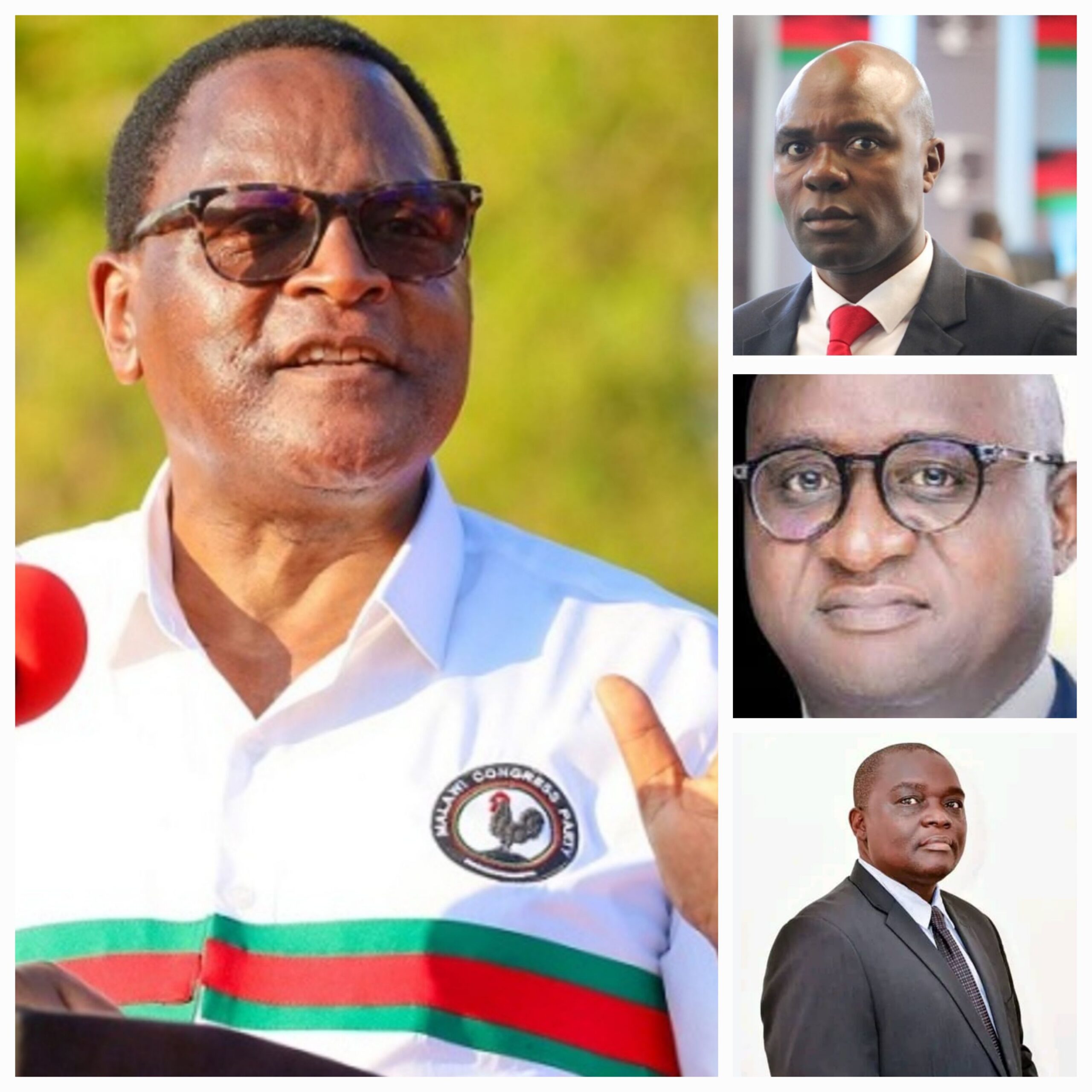
Chakwera MCP: Ultimatum Issued Over Emergency Convention Lawsuit
Summary
- Lazarus Chakwera, the President of the Malawi Congress Party (MCP) and former President of Malawi, faces a seven-day ultimatum from a group of petitioners.
- The petitioners, led by former MCP Southern Region chairperson Dennis Nanthumba, demand an emergency convention, suspension of party restructuring, and withdrawal of candidature fees.
- Failure to meet these demands within the specified timeframe will result in court action against the party.
What Happened
The collective threat of court action emphasizes the seriousness with which these internal grievances are being pursued, signaling a potential escalation into formal "Malawi political party litigation" if the party fails to address these concerns promptly.
Lazarus Chakwera, the President of the Malawi Congress Party (MCP) and former President of Malawi, is currently facing a significant internal challenge, having been issued a seven-day ultimatum by a group of disgruntled party members. This collective of petitioners is demanding immediate action on several key party issues, threatening to initiate a "Chakwera MCP emergency convention lawsuit" should their demands not be met within the stipulated period. The pressure on the party's leadership underscores growing dissent within its ranks regarding recent decisions and internal processes.
The petition, spearheaded by Dennis Nanthumba, who previously served as the MCP Southern Region chairperson, outlines three specific requirements for President Chakwera and the party executive. Firstly, the petitioners insist on the immediate convocation of an emergency convention, suggesting a desire for broader consultation and decision-making among party members. This demand points to a perceived lack of democratic process or transparency in the party's current operations, prompting a direct challenge to the established leadership.
Furthermore, the group is calling for the suspension of the ongoing and contentious party restructuring efforts. This indicates that the current reorganization initiatives are a major point of contention, likely affecting various factions or individuals within the party. The petitioners view this restructuring as disputed, implying that it may not have received adequate consensus or may be perceived as detrimental by a significant segment of the membership.
Finally, the petitioners are demanding the withdrawal of candidature fees that have been imposed for committee elections. This particular demand highlights concerns over accessibility and fairness within the party's electoral processes. The imposition of fees could be seen as an impediment to participation, potentially excluding certain members from seeking office and thus central to the "Malawi Congress Party legal challenge" being mounted. The collective threat of court action emphasizes the seriousness with which these internal grievances are being pursued, signaling a potential escalation into formal "Malawi political party litigation" if the party fails to address these concerns promptly.
Legal and Governance Implications
The ultimatum issued to President Chakwera by Dennis Nanthumba and his fellow petitioners brings into sharp focus the intricate legal and governance frameworks that govern political parties in Malawi. Internal party disputes, such as this "MCP party restructuring dispute," often test the boundaries of a party's constitution and its adherence to democratic principles. The threat of a "Chakwera MCP emergency convention lawsuit" signifies a move beyond internal political maneuvering to a formal legal challenge, which could have far-reaching implications for how political organizations manage dissent and implement changes.
When internal mechanisms for resolving disagreements fail, or are perceived to be inadequate, aggrieved members may turn to the courts, transforming what might otherwise be a party-level issue into a matter of public law. This situation highlights the potential for judicial intervention in the internal affairs of political entities, a domain typically considered self-governing. The petitioners' demands—an emergency convention, suspension of restructuring, and withdrawal of candidature fees—each touch upon fundamental aspects of party democracy and member rights, suggesting that the legal challenge would likely hinge on interpretations of the party's own rules and potentially broader constitutional principles related to association and fair process.
The legal system often serves as a last resort for members who feel their rights within a political party have been infringed upon. A court case stemming from this dispute could set important precedents regarding the extent to which courts can compel political parties to adhere to their own internal regulations, particularly when those regulations impact the democratic participation of members. Such "Malawi political party litigation" could clarify the legal standing of internal party petitions and the enforceability of demands made by factions within a party, thereby influencing future intra-party conflicts and their resolution.
Why This Matters
The unfolding situation within the Malawi Congress Party carries significant weight, not only for President Lazarus Chakwera's leadership but also for the broader landscape of political party governance in Malawi. The challenge mounted by Dennis Nanthumba and his group represents a direct test of the party president's authority and his administration's ability to manage internal dissent effectively. Should the petitioners proceed with their threatened "Chakwera MCP emergency convention lawsuit," it would mark a critical moment for the MCP, potentially exposing internal divisions to public scrutiny and judicial review.
The outcome of this dispute could establish a crucial precedent for how internal disagreements within political parties are handled across the nation. If the courts are indeed called upon to intervene, their ruling could define the limits of party leadership's powers versus the rights of its members, particularly concerning fundamental issues like internal elections, constitutional amendments, and the convening of decision-making bodies. This makes the "Malawi Congress Party legal challenge" a case that could influence the future conduct of all political organizations in the country, emphasizing the importance of transparent and democratic internal processes.
Moreover, the demands themselves—an emergency convention, halting a disputed restructuring, and removing election fees—speak to core principles of democratic participation and fairness within a political institution. The resolution of these issues, whether through internal negotiation or judicial decree, will inevitably shape the MCP's internal cohesion and its public image. For an opposition party, such internal strife, especially when it escalates to the threat of "Malawi political party litigation," can distract from its role in national politics and potentially erode public confidence in its stability and leadership. This situation underscores the critical need for political parties to maintain robust and equitable internal mechanisms for conflict resolution to safeguard their integrity and effectiveness.
Practical Implications
Lawyers advising political parties or involved in constitutional/administrative law should monitor this case for precedents on internal party governance disputes and the legal avenues available to challenge party leadership decisions in Malawi.
Source
How does this affect you?
Get an AI analysis of this article grounded in your jurisdictions, practice areas, and any policy documents you've uploaded to Wansom.
Finish Reading the Full Story and the Expert Analysis.
Get the latest legal & regulatory intelligence in Malawi
Wansom is AI and can make mistakes.