
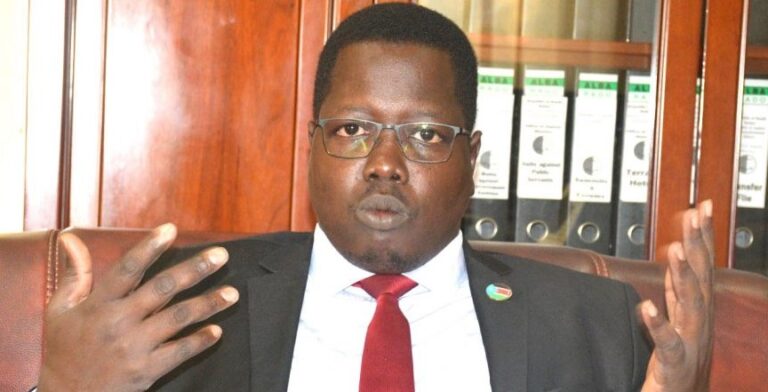
Central Equatoria Court of Appeal: USAP Leadership Dispute Reinstated
Summary
- A court order has suspended a decision by the Political Parties Council (PPC) to remove Joseph Malek Arop from USAP's leadership.
- Rival factions have emerged with competing claims to the party's leadership, further exacerbating internal divisions within USAP.
- The dispute highlights potential implications for South Sudan's upcoming general elections in December 2026.
Court Order Reignites Leadership Dispute in USAP
I forgive those who left the party. Let us hold a convention and compete democratically for the leadership.
A recent court order has reignited a long-standing leadership dispute within South Sudan's United Sudan African Party (USAP). The Central Equatoria Court of Appeal suspended an earlier decision by the Political Parties Council (PPC) to remove Joseph Malek Arop from the party's leadership. However, rival factions have emerged with competing claims to the party's leadership, further exacerbating internal divisions within USAP.
Legal Context: Court Proceedings and Party Constitution
The court order in question was issued as part of a substantive case pending before the Central Equatoria Court of Appeal. Joseph Malek Arop has maintained that he is the legitimate chairman of USAP, citing his role as deputy minister of justice, his membership on the high-level committee overseeing implementation of the 2018 peace agreement, and the party's representation in national and state institutions. However, Philip Jiben, a member aligned with the rival faction formerly led by Professor Bior Ajang, disputes Malek's claims, arguing that he was dismissed from the party in 2018 for allegedly violating its constitution.
Why It Matters: Implications for South Sudan's Upcoming Elections
The leadership dispute within USAP is a symptom of deeper internal divisions within South Sudan's political parties. As the country prepares for general elections scheduled for December 2026, this dispute highlights the potential for electoral disputes or challenges arising from internal party conflicts. Lawyers and compliance officers should be aware of the implications of this court order on the upcoming elections and the need for parties to resolve their differences through inclusive conventions.
Practical Implications
Lawyers and compliance officers should watch for the potential impact on South Sudan's upcoming general elections, as internal divisions within political parties may lead to electoral disputes or challenges.
Source
How does this affect your business?
Get an AI analysis of this article grounded in your jurisdictions, practice areas, and any policy documents you've uploaded to Wansom.
Wansom is AI and can make mistakes.