
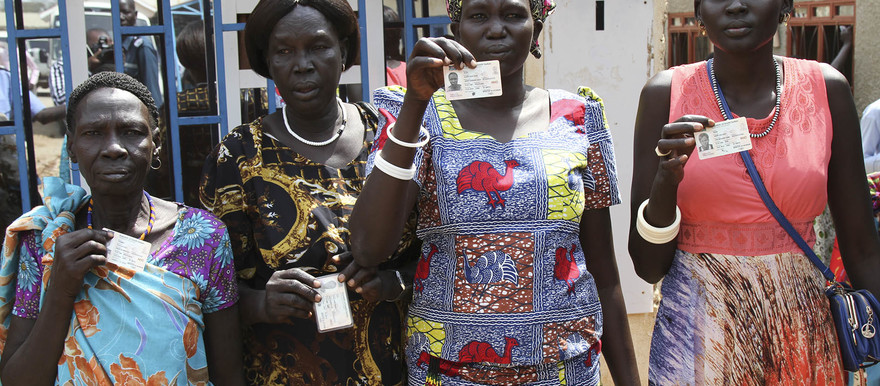
South Sudan Government: Provide Free Nationality IDs for Rural Communities
Summary
- A civil society activist has called on the South Sudan government to provide free Nationality IDs to rural communities ahead of the country's December 2026 general elections.
- Many people in rural areas risk being excluded from voter registration due to lack of required nationality documents, with the cost of obtaining these documents remaining a significant challenge.
- The activist cited Uganda's national identification system as an example, where citizens are provided with identity documents without incurring high costs.
- Lawyers advising clients in rural South Sudan on electoral participation should be aware of the potential for voter exclusion due to lack of Nationality IDs and advocate for government provision of free ID cards.
What Happened
The cost of obtaining these documents remains a significant challenge for those living in rural areas, with Saviour emphasizing the importance of making identification cards more accessible to vulnerable communities.
A civil society activist has urged the South Sudan government to provide free Nationality IDs to rural communities ahead of the country's December 2026 general elections. Wodcan Saviour, Executive Director of Support Peace Initiative Development Organization (SPIDO), made this call during a media briefing on Monday. He highlighted that many people in rural areas risk being excluded from voter registration due to lack of required nationality documents. The cost of obtaining these documents remains a significant challenge for those living in rural areas, with Saviour emphasizing the importance of making identification cards more accessible to vulnerable communities. He also called for a reduction in the cost of obtaining Nationality IDs for urban residents, citing high fees as a barrier to acquisition.
Legal Context
The provision of free Nationality IDs is not a new concept, with some countries like Uganda offering similar services. In Uganda's national identification system, citizens are provided with identity documents without incurring high costs. This approach has supported wider participation in electoral processes. South Sudan can draw inspiration from such models to ensure all citizens have access to essential services and participate fully in national activities, including elections. However, the South Sudan government has yet to commit to providing free Nationality IDs to rural communities, leaving many citizens at risk of exclusion due to financial challenges.
Why It Matters
The lack of Nationality IDs poses a significant challenge for eligible citizens in rural areas who may struggle to access essential services and participate fully in national activities. Without proper identification, citizens may face difficulties accessing healthcare, education, and other vital services. Moreover, the absence of Nationality IDs can lead to voter exclusion, undermining the integrity of the electoral process. Lawyers advising clients in rural South Sudan on electoral participation should be aware of these challenges and advocate for government provision of free ID cards to ensure eligible citizens can participate in the December 2026 general elections.
Practical Implications
Lawyers advising clients in rural South Sudan on electoral participation should be aware of the potential for voter exclusion due to lack of Nationality IDs and advocate for government provision of free ID cards, ensuring eligible citizens can participate in the December 2026 general elections.
Source
Source: Original reporting via [Source]
How does this affect your business?
Get an AI analysis of this article grounded in your jurisdictions, practice areas, and any policy documents you've uploaded to Wansom.
Wansom is AI and can make mistakes.