
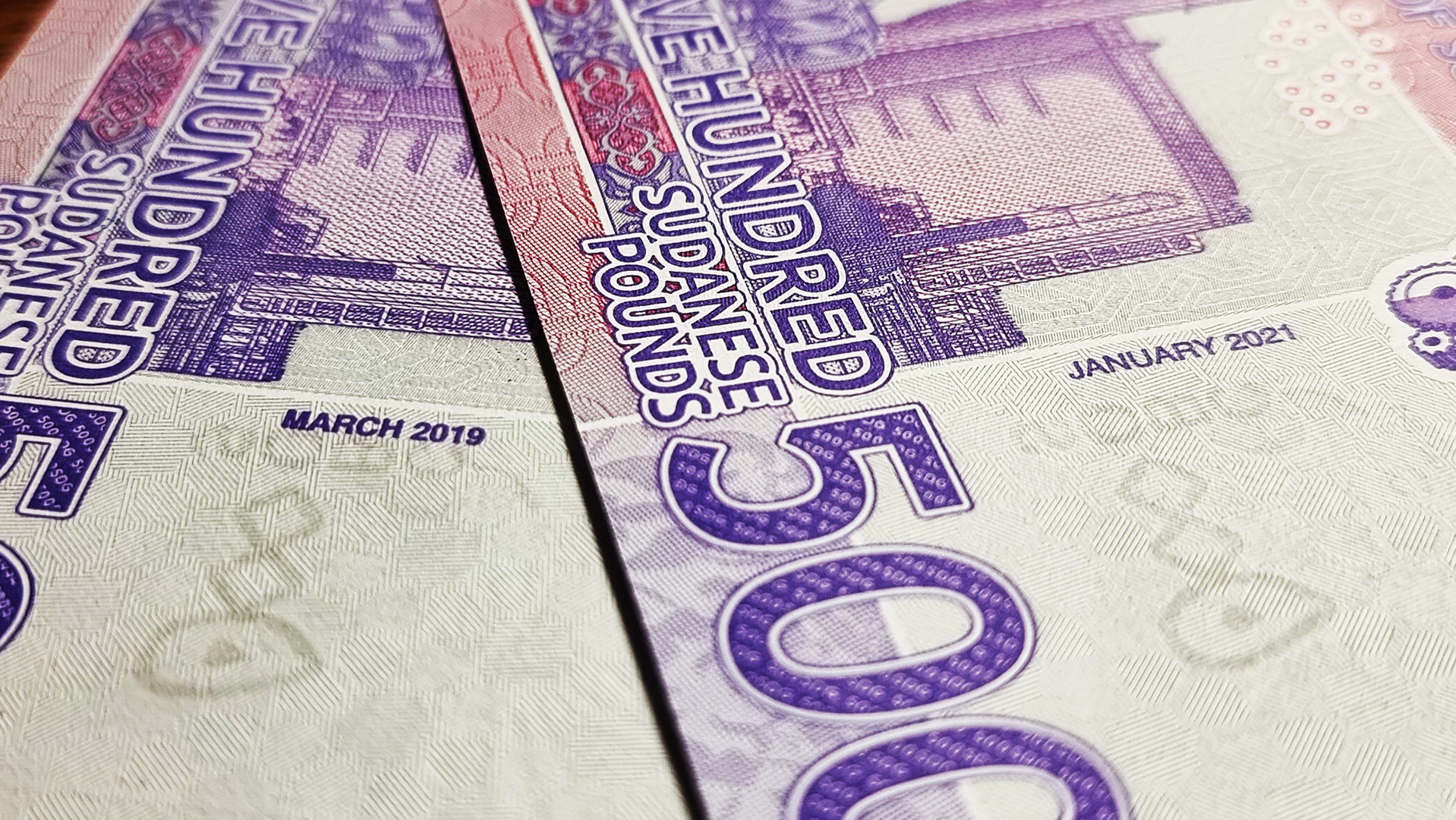
Central Bank of Sudan: Withdraws SDG500 Notes; Dec 2026 Deadline
Summary
- The Central Bank of Sudan is withdrawing SDG500 banknotes issued in 2023 or earlier.
- These notes will cease to be legal tender after December 31, 2026, with a three-month exchange period starting October 1.
- The withdrawal is linked to concerns over currency counterfeiting, which contributes to inflation and rising exchange rates.
- Economists anticipate minimal market disruption due to the SDG500's relatively low circulation.
- Broader recommendations include curbing foreign currency demand and integrating gold mining into the banking system to strengthen reserves.
Key Policy Change
From January 1, 2027, these older banknotes will no longer be valid for discharging financial obligations, marking a complete invalidation.
The Central Bank of Sudan (CBoS) has initiated a significant monetary policy change, announcing the withdrawal of all SDG500 banknotes issued in 2023 or earlier. This move sets a firm deadline for the public to exchange these specific denominations, with the three-month withdrawal period having commenced on October 1. Holders of these older SDG500 notes are granted until December 31, 2026, to complete their exchanges.
Following this grace period, the affected SDG500 notes will definitively lose their status as legal tender. From January 1, 2027, these older banknotes will no longer be valid for discharging financial obligations, marking a complete invalidation. A specific directive applies to the regions of Kordofan and Darfur, where the exchange process is already restricted; residents there can only exchange the notes by depositing them into accounts at commercial bank branches. This CBoS SDG500 withdrawal represents a critical update to the nation's currency management.
Economic Rationale
The decision by the Central Bank of Sudan to withdraw the older SDG500 notes is strongly linked to concerns over Sudan currency counterfeiting, according to economic expert Dr. Ohaj Sayed. He views this monetary policy change as a necessary and sound measure, suggesting that a portion of the notes being removed from circulation are indeed counterfeit. The presence of fake currency significantly inflates the money supply, leading to a direct increase in the general price level as more money chases the same amount of goods and services.
Dr. Sayed further elaborates that this surge in the money supply, driven by counterfeit notes, exacerbates inflationary pressures. It also contributes to a rise in foreign exchange rates, particularly against the US dollar, as illicit funds are used to purchase foreign currency. Given Sudan's heavy reliance on imports, any increase in the exchange rate directly translates to higher prices for imported goods within the domestic market, compounding the economic challenges faced by consumers. The SDG500 legal tender status change is thus a direct response to these destabilizing economic forces.
The SDG500 banknote itself has a history intertwined with Sudan's economic struggles. It was first introduced by the Central Bank of Sudan in March 2019, a period characterized by severe liquidity shortages in banks across the country, leading to restricted cash withdrawals. The printing of new currency at that time was a response to rampant hyperinflation and a chronic lack of physical cash in the economy.
Market Impact and Recommendations
Despite the significant nature of the Central Bank of Sudan withdraws SDG500 notes policy, Dr. Sayed anticipates minimal market disruption from this specific SDG500 withdrawal. He attributes this expectation to the relatively low circulation of the SDG500 denomination compared to others. Notes such as the SDG100 and SDG200 are also less frequently used, and he suggests that replacing higher denominations like the SDG1,000 or SDG2,000 would likely cause far greater upheaval. The increasing reliance on banking applications is also expected to mitigate any potential negative effects, though technical failures could still induce panic if the public is forced to rely solely on cash.
Looking beyond the immediate Sudan banknote exchange deadline, Dr. Sayed advocates for broader economic strategies to stabilize the nation's finances. He emphasizes the need to curb demand for foreign currency, particularly the US dollar, by prioritizing essential and strategic imports and directing available foreign exchange resources accordingly. Additionally, he proposes incentivizing artisanal and traditional gold miners to integrate into the formal banking system. This would enable the state to purchase gold in Sudanese pounds and convert export proceeds into foreign currency, thereby strengthening national reserves. Dr. Sayed believes that a comprehensive currency replacement strategy, if deemed necessary, should only be considered after these foundational measures for managing foreign currency demand and securing strategic goods are firmly in place.
Practical Implications
Lawyers and compliance officers must advise clients on the impending invalidation of older SDG500 notes, ensuring timely exchange by December 31, 2026, to prevent financial losses and maintain compliance in transactions.
Source
How does this affect you?
Get an AI analysis of this article grounded in your jurisdictions, practice areas, and any policy documents you've uploaded to Wansom.
Finish Reading the Full Story and the Expert Analysis.
Get the latest legal & regulatory intelligence in Sudan
Wansom is AI and can make mistakes.