
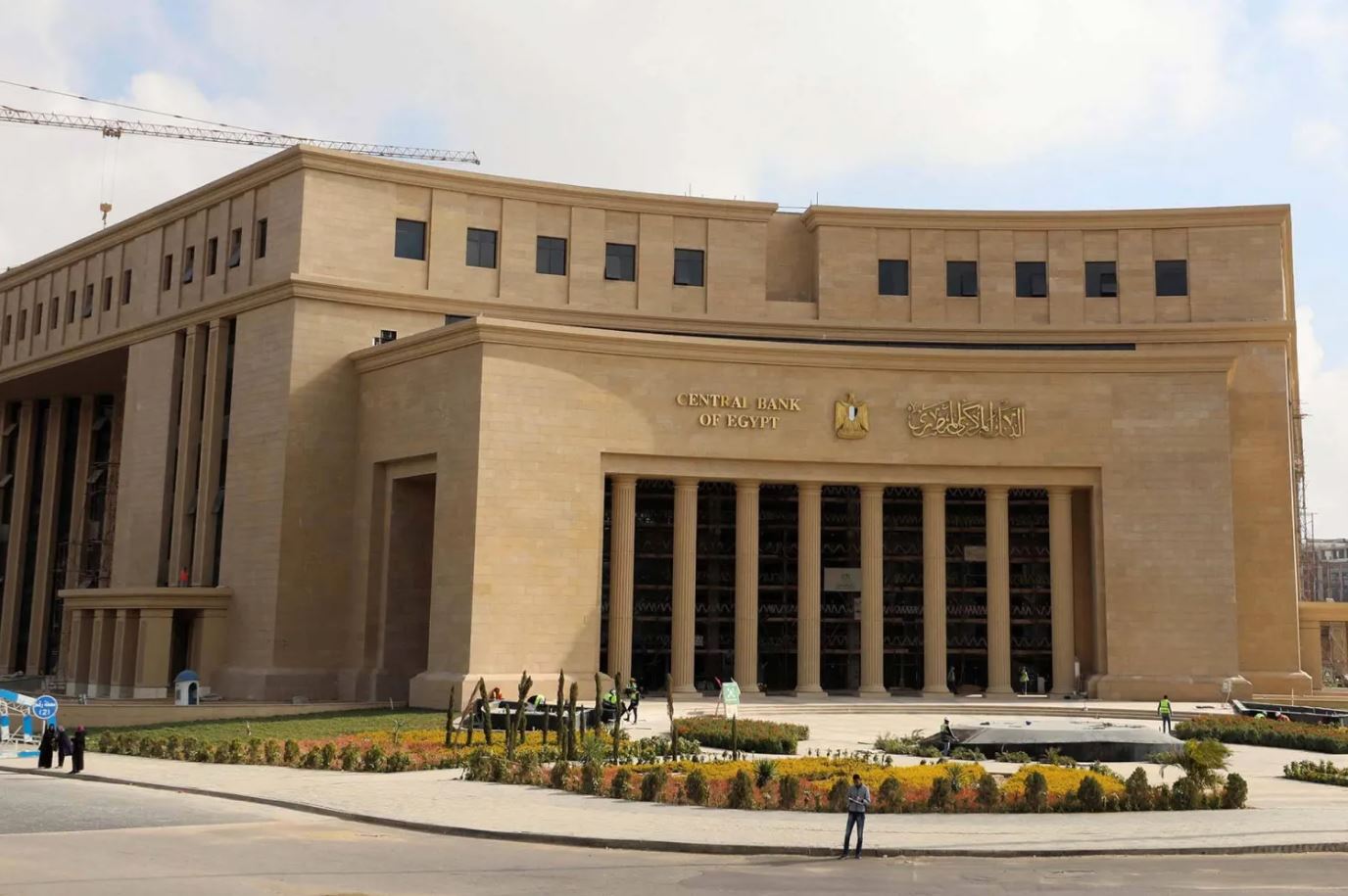
Central Bank Egypt: Urgent OTP Warning for Bank Customers
Summary
- The Central Bank of Egypt (CBE) issued an urgent warning to bank customers and users.
- The warning advises against sharing One-Time Passwords (OTPs) with anyone.
- Disclosing OTPs can expose individuals to risks related to their transactions and bank accounts.
- The CBE published this awareness message on its official Facebook page.
- Users are urged to be vigilant against all forms of fraud attempts.
CBE Issues Urgent Warning
The Central Bank of Egypt (CBE) has recently issued a critical alert to bank customers and users across the nation, emphasizing the paramount importance of safeguarding their One-Time Passwords (OTPs).
The Central Bank of Egypt (CBE) has recently issued a critical alert to bank customers and users across the nation, emphasizing the paramount importance of safeguarding their One-Time Passwords (OTPs). This urgent communication, disseminated via the CBE's official Facebook page, serves as a direct warning against the perils of disclosing these crucial security codes to any third party. The Central Bank Egypt OTP warning underscores a proactive stance against burgeoning financial threats.
Safeguarding Digital Transactions
This directive from the Central Bank of Egypt highlights the evolving landscape of digital financial security and the regulator's commitment to financial fraud prevention in Egypt. OTPs are a cornerstone of modern banking authentication, providing an essential layer of security for online and mobile transactions. The CBE's intervention reflects a recognition that despite technological advancements, the human element remains a primary vulnerability for cybercriminals.
The warning implicitly positions the CBE as a guardian of the nation's financial ecosystem, tasked with not only regulating institutions but also educating the public on best practices for personal financial security. By issuing such a public notice, the CBE aims to mitigate the risks associated with CBE One-Time Password fraud, ensuring that bank customers are adequately informed about potential threats to their funds and personal data. This proactive measure is crucial for maintaining trust in the Egyptian banking cybersecurity alert system and CBE digital transaction security.
Protecting Personal Finances
For individual bank customers, the CBE's warning translates into a direct call for heightened personal responsibility in managing their financial security. The risks associated with sharing OTPs are not theoretical; they can lead to unauthorized access to funds, fraudulent transactions, and significant financial losses. The advisory serves as a stark reminder that legitimate banking institutions, including the CBE itself, will never request an OTP via phone, email, or any other unsolicited communication.
Understanding that an OTP is a unique, time-sensitive code designed for a single transaction is vital for Egypt bank customer security. Its disclosure effectively bypasses other security measures, granting fraudsters direct access to a user's account. Therefore, the CBE's emphasis on vigilance is not merely a suggestion but a critical piece of advice for anyone engaging in digital banking, reinforcing the principle that these codes must remain confidential at all times.
The Evolving Threat Landscape
The Central Bank of Egypt's recent warning is indicative of a broader, global trend where cybercriminals increasingly target authentication mechanisms like OTPs. As digital banking services become more prevalent, so too do sophisticated phishing and social engineering schemes designed to trick users into revealing their security credentials. This makes the CBE's guidance on CBE digital transaction security particularly timely and relevant.
This regulatory intervention underscores the continuous need for both financial institutions and their customers to adapt to new threats. While banks invest heavily in cybersecurity infrastructure, the ultimate defense often lies with the informed and cautious user. The CBE's public awareness campaign, disseminated through its official Facebook page, is a strategic effort to fortify this crucial last line of defense against financial crime, ensuring greater financial fraud prevention in Egypt.
Practical Implications
This Central Bank of Egypt warning highlights an active fraud vector targeting bank customers via OTPs, necessitating that financial institutions in Egypt review and reinforce their customer education and security protocols to mitigate compliance risks and potential liabilities from such scams. Compliance officers and legal counsel advising banks should ensure robust measures are in place to align with regulatory expectations and protect customers.
Source
How does this affect you?
Get an AI analysis of this article grounded in your jurisdictions, practice areas, and any policy documents you've uploaded to Wansom.
Finish Reading the Full Story and the Expert Analysis.
Wansom is AI and can make mistakes.