
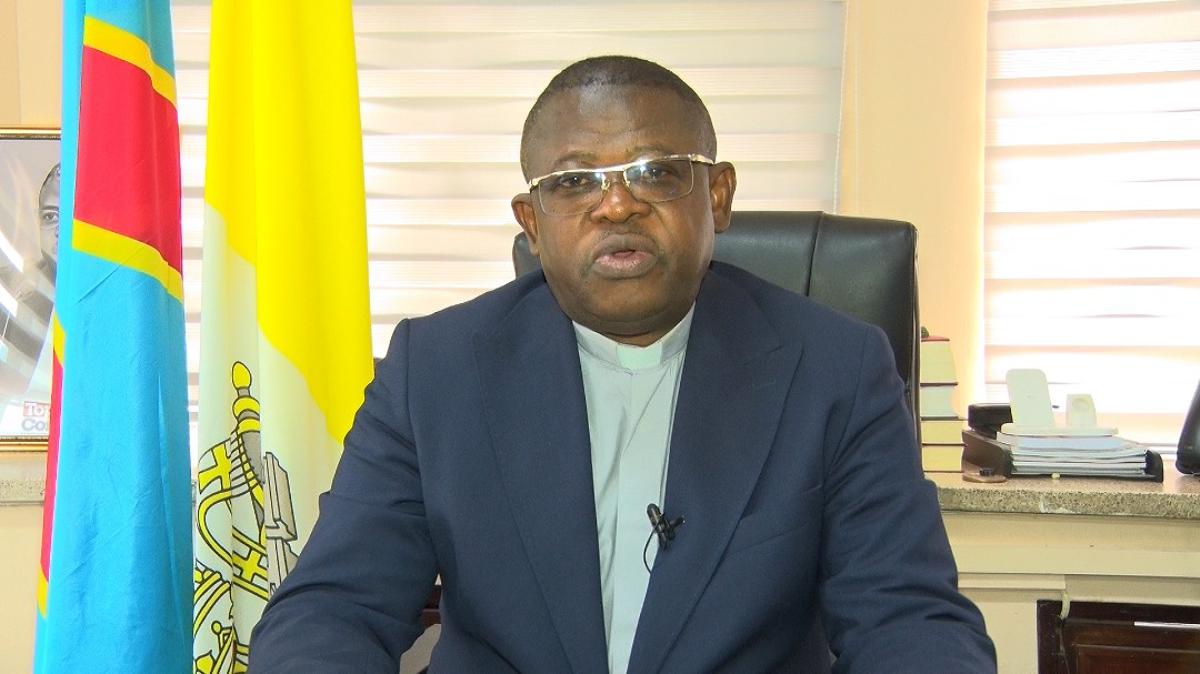
CENCO Denounces Violations of Fundamental Freedoms in DR Congo
Mgr Donatien Nshole, Secretary General of the National Episcopal Conference of Congo (CENCO), publicly denounced alleged violations of fundamental freedoms, including the gassing of bishops and peaceful demonstrators, and restrictions on the movement of the Archbishop of Lubumbashi, in Kinshasa, Democratic Republic of Congo, on Tuesday, November 24.
This denunciation by CENCO highlights a concerning pattern of potential infringements on constitutional rights such as freedom of assembly, freedom of religion, and freedom of movement, which are foundational to a democratic state. For legal practitioners, this signals a deteriorating human rights environment where state actions may directly contravene constitutional guarantees. Such public condemnations from a prominent civil society actor like CENCO can attract significant national and international scrutiny, potentially impacting the government's legitimacy and its human rights record, and may precipitate further social unrest or advocacy efforts. The gravity of the allegations, involving religious leaders and peaceful worshippers, underscores the potential for widespread public discontent.
The legal context for these alleged actions is firmly rooted in the Constitution of the Democratic Republic of Congo, which explicitly guarantees fundamental rights and freedoms, including freedom of expression (Article 23), freedom of assembly (Article 26), and freedom of religion (Article 24). If the actions described by CENCO are substantiated, they would represent clear violations of these constitutional provisions. The role of civil society organizations, including religious bodies like CENCO, in monitoring and denouncing human rights abuses is a recognized and protected aspect of the broader legal and political framework in the DRC. The excerpt does not report any specific legal proceedings or rulings, but rather a public denunciation of alleged abuses.
The key parties involved in this development are the National Episcopal Conference of Congo (CENCO), represented by its Secretary General, Mgr Donatien Nshole; the Archbishop of Lubumbashi, who was allegedly prevented from leaving his residence; and the unnamed authorities or security forces responsible for the alleged gassing of demonstrators and restrictions on the bishops' movements. The general public, particularly peaceful demonstrators and members of the Catholic Church, are also directly affected parties.
Attorneys practicing in the DRC should closely monitor the human rights situation, particularly concerning freedom of assembly and religion, as these issues can have significant implications for civil liberties and public order. Businesses operating in the DRC should be aware of the potential for social unrest and reputational risks associated with government actions that infringe on fundamental rights. Legal professionals may need to advise clients on compliance with international human rights standards, risk mitigation strategies in volatile environments, and potential avenues for redress or advocacy in cases of rights violations. The outcome of any formal legal action or investigation stemming from these denunciations is not yet reported, and practitioners should remain vigilant for further developments.
How does this affect you?
Get an AI analysis of this article grounded in your jurisdictions, practice areas, and any policy documents you've uploaded to Wansom.
Finish Reading the Full Story and the Expert Analysis.
Get the latest legal & regulatory intelligence in DR Congo
Wansom is AI and can make mistakes.