
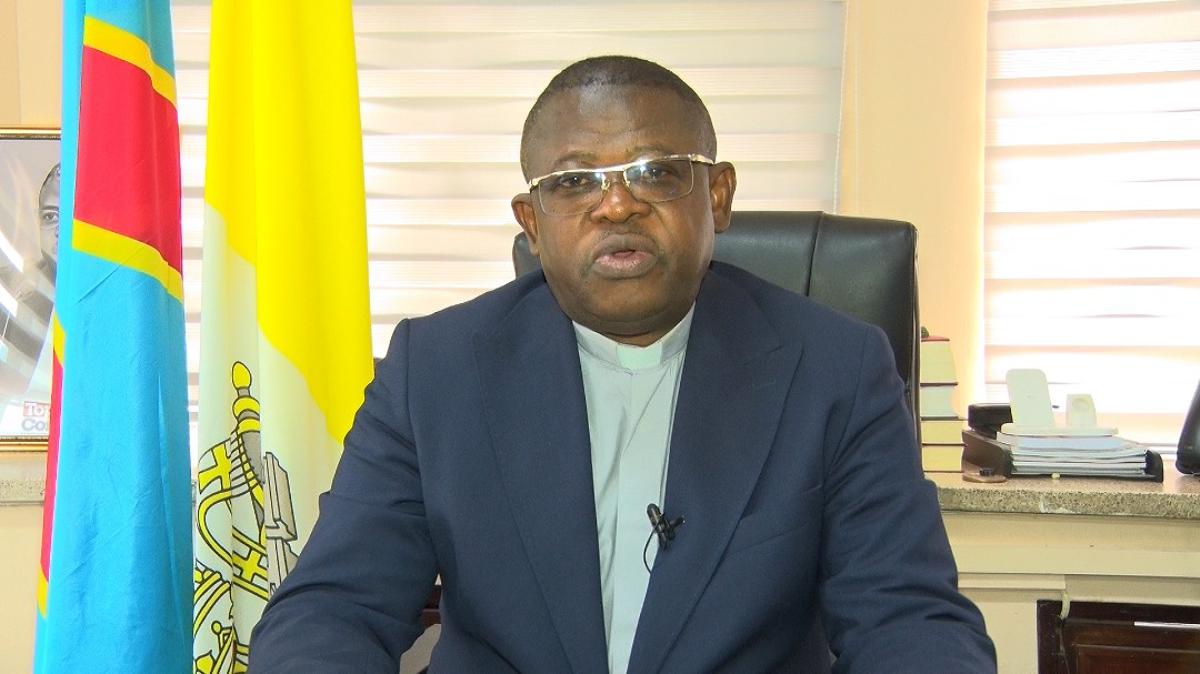
CENCO: Dénonce Atteintes aux Libertés Publiques en RDC
Summary
- CENCO's Secretary General, Mgr Donatien Nshole, condemned actions against religious leaders and peaceful demonstrators on Tuesday, November 24, in Kinshasa.
- Incidents included gassing bishops and praying demonstrators, preventing the Archbishop of Lubumbashi from leaving his residence, and blocking bishops from accessing the archbishopric.
- Mgr Nshole characterized these actions as "forms of tyranny that our country does not deserve."
- The Conférence épiscopale nationale du Congo views these events as severe infringements on fundamental liberties in the Democratic Republic of Congo.
Escalating Repression Against Religious Leaders
Mgr Nshole did not mince words in his condemnation, asserting that such actions constitute 'forms of tyranny that our country does not deserve.'
On Tuesday, November 24, the Conférence épiscopale nationale du Congo (CENCO) publicly condemned a series of actions taken by authorities that it characterized as severe infringements on fundamental liberties within the Democratic Republic of Congo. Mgr Donatien Nshole, who serves as both the Secretary General and spokesperson for CENCO, issued a strong statement from Kinshasa, highlighting specific instances of what the organization perceives as oppressive tactics.
Among the incidents detailed by Mgr Nshole were the deployment of tear gas against bishops and other peaceful demonstrators who were engaged in prayer. Furthermore, authorities reportedly prevented the Archbishop of Lubumbashi from leaving his private residence, effectively placing him under a form of house arrest. Another significant concern raised was the denial of access for bishops to the archbishopric, an important religious administrative center.
CENCO's Denunciation of Tyranny
Mgr Nshole did not mince words in his condemnation, asserting that such actions constitute "forms of tyranny that our country does not deserve." This powerful declaration underscores the gravity with which CENCO views the reported incidents, framing them not merely as isolated events but as systemic abuses of power. The statement from the prominent religious body signals a deep concern over the erosion of basic human rights and public liberties in the DRC.
The collective voice of the Conférence épiscopale nationale du Congo, through its spokesperson, serves as a critical monitor of the human rights situation. Their direct challenge to the government's conduct highlights a growing tension between state authority and the rights of citizens, including religious leaders, to assemble peacefully and practice their faith without undue interference.
Violations of Fundamental Rights
The incidents described by Mgr Donatien Nshole directly implicate several fundamental rights, including freedom of assembly, freedom of religion, and freedom of movement, which are typically enshrined in national constitutions and international human rights treaties. The reported use of tear gas against praying individuals and religious leaders represents a clear violation of the right to peaceful protest and religious expression, undermining the very essence of public liberties. Similarly, restricting the movement of the Archbishop of Lubumbashi and denying access to the archbishopric for other bishops are direct infringements on their personal liberties and the autonomy of religious institutions, suggesting a disregard for established legal protections.
These reported violations of fundamental rights in the DRC raise serious questions about the state's commitment to constitutional principles and international human rights standards. The actions against religious figures and peaceful demonstrators suggest a pattern of repression of manifestations publiques, which is a cornerstone of any democratic society and essential for the healthy functioning of a state governed by the rule of law. Such measures, if unchecked, could set a dangerous precedent for future civic engagement.
Broader Implications for Civic Space
The strong denunciation by CENCO and the specific nature of the incidents reported by Mgr Nshole carry significant implications for the overall civic space and the state of liberties publiques in Congo. When religious leaders, who often serve as moral authorities and advocates for the populace, become targets of such measures, it signals a potentially deteriorating environment for all citizens seeking to exercise their basic rights.
The Conférence épiscopale nationale du Congo's public stance underscores the critical role that civil society and religious organizations play in holding power accountable. The reported repression of manifestations and the direct targeting of church officials suggest a worrying trend that could stifle dissent and further restrict the ability of individuals and groups to express grievances or advocate for change within the Democratic Republic of Congo.
Practical Implications
Lawyers specializing in human rights or constitutional law in the DRC should monitor these reported incidents of fundamental rights violations, as they may indicate a deteriorating civic space and could form the basis for future legal challenges, advocacy efforts, or advice to clients regarding their rights and potential risks during public gatherings.
Source
How does this affect you?
Get an AI analysis of this article grounded in your jurisdictions, practice areas, and any policy documents you've uploaded to Wansom.
Finish Reading the Full Story and the Expert Analysis.
Get the latest legal & regulatory intelligence in DR Congo
Wansom is AI and can make mistakes.