
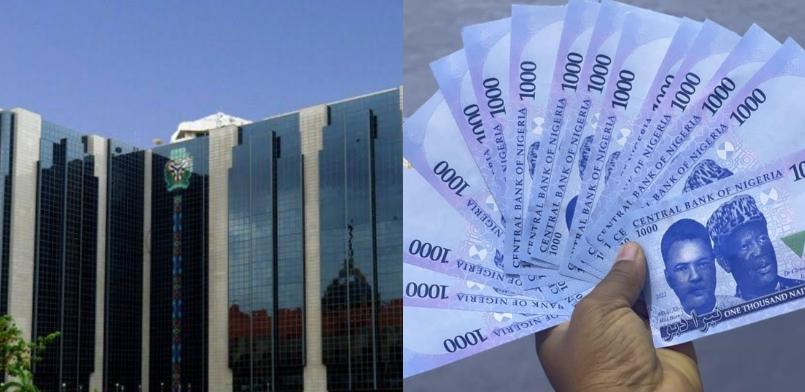
CBN Directive: Naira Handling Nigeria to Extend Lifespan, Cut Costs
Summary
- The Central Bank of Nigeria (CBN) has urged Nigerians to handle the Naira with greater care.
- This appeal is intended to prolong the physical lifespan of the national currency.
- A key objective is to reduce the financial burden associated with replacing damaged or dirty banknotes.
- The CBN's initiative aims to cut down on the costs incurred from replacing soiled and mutilated notes.
What Happened
By reducing the incidence of Naira currency mutilation, the CBN aims to mitigate these recurring costs, thereby enhancing its financial prudence and contributing to overall economic stability.
The Central Bank of Nigeria (CBN) has issued a public appeal, urging citizens across the nation to adopt more careful practices when handling the country's currency, the Naira. This directive, aimed at fostering better stewardship of the national tender, underscores the importance of public cooperation in maintaining the integrity of the financial system. The CBN's call to action is not merely a suggestion but a strategic move designed to address specific challenges associated with currency circulation and maintenance within Nigeria.
The primary motivations behind this plea are twofold, as articulated by the Central Bank of Nigeria. Firstly, the institution seeks to significantly extend the operational lifespan of the Naira. By encouraging careful handling, the CBN aims to ensure that individual banknotes remain in circulation for longer periods, thereby maximizing their utility before requiring replacement. Secondly, and directly related to the first objective, the initiative is intended to substantially reduce the financial burden incurred by the Central Bank in the process of replacing notes that have become soiled or mutilated. This proactive stance highlights the CBN's commitment to efficient currency management Nigeria and prudent resource allocation.
Regulatory Framework and Mandate
The Central Bank of Nigeria operates under a broad mandate that includes the issuance, distribution, and overall management of the national currency. This responsibility inherently involves ensuring the quality and integrity of the Naira in circulation. The CBN's recent appeal for improved Naira handling Nigeria aligns directly with its statutory functions to maintain a stable and efficient monetary system. While the source does not detail specific legal provisions, the CBN's role as the apex monetary authority grants it the power to issue such directives and public advisories concerning the national currency.
This public communication serves as a reminder of the collective responsibility of all Nigerians in upholding the value and physical condition of their currency. The integrity of the Naira is not solely an economic concern but also a matter of national pride and financial stability. The CBN's efforts to curb Naira currency mutilation and promote careful handling are therefore integral to its broader objectives of safeguarding the nation's financial assets and ensuring smooth economic transactions, reflecting its commitment to sound Nigeria financial regulations.
Economic and Operational Impact
The economic ramifications of poorly handled currency are significant, directly impacting the operational efficiency and financial health of the Central Bank of Nigeria. When banknotes are frequently soiled, torn, or otherwise damaged, their average Nigerian currency lifespan is drastically shortened. This premature degradation necessitates more frequent printing and replacement cycles, which are costly endeavors. The expenses associated with producing new notes, including materials, security features, and printing processes, represent a substantial outlay for the CBN.
Furthermore, the logistical challenges and costs involved in collecting, sorting, destroying, and replacing soiled and mutilated notes are considerable. These operational expenditures divert resources that could otherwise be allocated to other critical monetary policy initiatives or national development projects. By reducing the incidence of Naira currency mutilation, the CBN aims to mitigate these recurring costs, thereby enhancing its financial prudence and contributing to overall economic stability. The appeal for careful handling is thus a direct measure to optimize the nation's currency management strategy and ensure the long-term sustainability of the Naira's physical form.
Source
How does this affect you?
Get an AI analysis of this article grounded in your jurisdictions, practice areas, and any policy documents you've uploaded to Wansom.
Finish Reading the Full Story and the Expert Analysis.
Get the latest legal & regulatory intelligence in Nigeria
Wansom is AI and can make mistakes.