
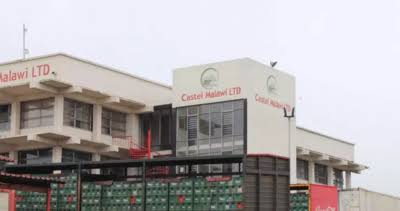
Castel Malawi: Illicit Alcohol Forces 100 Job Cuts
Summary
- Castel Malawi plans to retrench 100 employees due to a flood of smuggled and illicit alcohol.
- The company, brewer of Carlsberg and Kuche Kuche, is Malawi’s second-largest taxpayer.
- Management states the current business environment is harming operations and threatening the company's future.
- The job cuts highlight the severe impact of illicit trade on legitimate businesses and employment in Malawi.
The Impact of Illicit Trade
The Castel Malawi job cuts illicit alcohol serve as a potent example of how unchecked illicit trade can lead to significant human resource challenges and necessitate careful adherence to Malawi employment law implications during periods of corporate restructuring.
Castel Malawi, a prominent beverage producer and the country's second-largest taxpayer, is confronting significant operational challenges stemming from a surge in smuggled and illicit alcoholic products. This influx of unauthorized goods is directly linked to the company's decision to reduce its workforce. The brewer, known for popular brands like Carlsberg and Kuche Kuche, has announced plans for a substantial Castel Malawi retrenchment, affecting 100 employees. This move underscores the severe Malawi counterfeit alcohol impact on legitimate businesses operating within the nation's borders.
Business Environment Challenges
The current business climate in Malawi, as described by Castel Malawi's leadership, poses a direct threat to the company's ongoing operations and its future prospects. The proliferation of illicit alcohol products not only erodes market share for legitimate producers but also impacts consumer safety and government revenue. This challenging environment necessitates difficult strategic decisions for companies striving to maintain their presence and profitability. The planned Castel Malawi retrenchment is a direct consequence of these pressures, reflecting the profound difficulties faced by businesses when confronted with unchecked illicit trade Malawi business.
The company's management has explicitly stated that the prevailing conditions are actively harming its operations. This sentiment points to broader systemic issues within the market, where legitimate enterprises are forced to compete against entities that bypass taxation, quality control, and other regulatory requirements. The ripple effect of such an environment extends beyond individual companies, potentially deterring foreign investment and hindering overall economic growth. Addressing the root causes of this Malawi counterfeit alcohol impact is crucial for fostering a stable and equitable commercial landscape.
Corporate Response and Economic Significance
In response to the severe market pressures, Castel Malawi has outlined intentions to reduce its staff by 100 individuals. This Castel Malawi job cuts illicit alcohol decision is a stark indicator of the economic strain placed on even well-established corporations by unregulated markets. As the producer of widely recognized beverages such as Kuche Kuche Carlsberg Malawi, the company holds a significant position in the national economy, not only as an employer but also as a major contributor to the national treasury.
The planned Castel Malawi retrenchment carries considerable weight given the company's status as the second-largest taxpayer in Malawi. Such a reduction in workforce at a key economic player signals broader challenges that could affect national employment figures and tax revenues. The move highlights how illicit trade Malawi business can have far-reaching consequences, impacting not just corporate bottom lines but also the livelihoods of many families and the fiscal health of the nation.
Employment Law Implications
The impending Castel Malawi retrenchment of 100 employees raises important Malawi employment law implications for both the company and the affected workforce. Companies facing such economic pressures due to illicit trade Malawi business must navigate complex legal frameworks governing redundancies and employee rights. This situation underscores the necessity for businesses to have robust internal policies and legal counsel to manage workforce restructuring in a compliant and ethical manner, even when external factors like Malawi counterfeit alcohol impact are the primary drivers.
For legal professionals, this scenario emphasizes the critical role of advising clients on strategies for intellectual property protection, ensuring supply chain integrity, and preparing for potential workforce adjustments in markets plagued by counterfeit goods. Compliance officers, similarly, must enhance market surveillance and anti-counterfeiting measures to mitigate such risks. The Castel Malawi job cuts illicit alcohol serve as a potent example of how unchecked illicit trade can lead to significant human resource challenges and necessitate careful adherence to Malawi employment law implications during periods of corporate restructuring.
Practical Implications
This development highlights the severe business and employment law implications of illicit trade. Lawyers should advise clients on strategies for intellectual property protection, supply chain integrity, and potential workforce restructuring in environments impacted by counterfeit goods, while compliance officers should review market surveillance and anti-counterfeiting measures.
Source
How does this affect you?
Get an AI analysis of this article grounded in your jurisdictions, practice areas, and any policy documents you've uploaded to Wansom.
Finish Reading the Full Story and the Expert Analysis.
Get the latest legal & regulatory intelligence in Malawi
Wansom is AI and can make mistakes.