
Seventh Circuit: Carbondale Sign Ordinance First Amendment Vagueness Argued
Summary
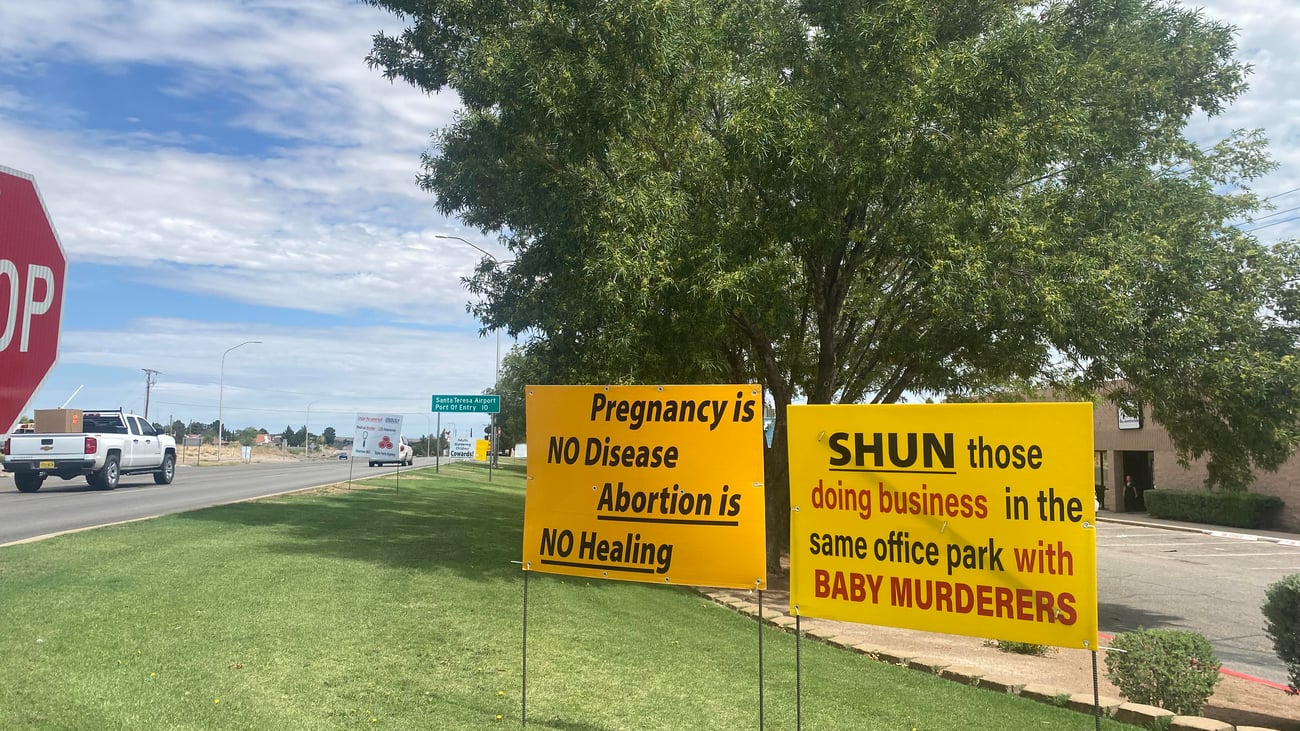
- Mark Hamman challenged the city of Carbondale's sign ordinance, which prohibits signs encroaching on the public right of way, after being forbidden from staking anti-abortion signs.
- Hamman's attorney argued the ordinance is unconstitutionally vague due to its undefined term "public right of way" and fails content neutrality by allowing other encroachments.
- The city's attorney defended the ordinance by citing "common sense evidence" for its necessity in promoting public safety, aesthetics, and property values.
- Seventh Circuit judges questioned both sides on the need for empirical evidence versus reliance on common sense to justify speech restrictions.
- The appeal highlights the legal scrutiny applied to municipal sign regulations concerning clarity, content neutrality, and evidentiary support under the First Amendment.
Overview of the Challenge
This `Seventh Circuit sign ordinance challenge` highlights the delicate balance local governments must strike when regulating public spaces while respecting First Amendment rights.
Mark Hamman has brought a significant First Amendment challenge against the city of Carbondale, Illinois, regarding its municipal sign regulation. The dispute centers on a local ordinance that prohibits any signage "encroaching upon the public right of way." This legal battle began in 2025 after city officials prevented Hamman from placing anti-abortion signs outside a local clinic.
Following the city's enforcement action, Hamman sought a preliminary injunction, which a lower court denied in 2026. He subsequently appealed this decision, bringing the matter before a three-judge panel of the Seventh Circuit on a Tuesday morning. His legal team contends that the Carbondale ordinance is unconstitutional, primarily citing issues of vagueness and a lack of content neutrality, which they argue infringe upon protected speech.
Arguments on Vagueness and Due Process
Central to Hamman's appeal is the assertion that the `Carbondale ordinance` is impermissibly vague, violating fundamental due process principles. His attorney, Nathan Moelker, highlighted before the Seventh Circuit panel that the ordinance fails to provide a clear definition for the critical term "the public right of way." This ambiguity, Moelker argued, renders the law incomprehensible even to city officials, making it impossible for citizens to understand and comply.
Hamman's brief further elaborated on this `First Amendment vagueness doctrine`, claiming that an ordinance whose core prohibition relies on an undefined term cannot meet basic due process requirements. The brief also pointed out an apparent inconsistency: the city's interpretation of the ordinance bans a two-foot yard sign positioned twenty feet from a curb, yet simultaneously permits various other encroachments in the same public space, such as block parties, patio restaurants, and sidewalk sales. This selective enforcement, Hamman's team argued, demonstrates a failure of `content neutrality public right of way` regulations and a lack of narrow tailoring.
Content Neutrality and Evidentiary Burden
The debate at the Seventh Circuit also delved into the evidentiary burden required to justify such a `municipal sign regulation Illinois`. Moelker contended that the `Carbondale sign ordinance First Amendment` challenge should be subject to strict scrutiny, which it cannot withstand because the city has not presented any empirical evidence to demonstrate the necessity of the statute. Hamman's attempt to obtain a permit for his signs, only to be informed that no such permits existed despite the ordinance listing exemptions for other encroachments, further underscored the alleged lack of content neutrality.
In response, Stefanie Brody, representing the city, argued that "common sense evidence" was sufficient to support the ordinance's stated purposes, which include public and traffic safety, preventing confusing use of signs, and protecting property values. U.S. Circuit Judge Amy St. Eve questioned Brody on this reliance on common sense, to which Brody affirmed its applicability across all stated interests. Brody also suggested the court could take judicial notice of the city's ordinance interpretation guidelines, which advocate for liberal construction and resolving conflicts in favor of more prohibitive regulations. U.S. Circuit Judge Nancy Maldonado, a Joe Biden appointee, while acknowledging that judges do not "leave [our common sense] at the door," pressed Moelker on what empirical evidence he expected the city to provide, suggesting that a public right of way cluttered with numerous signs might indeed be undesirable. Moelker maintained that, at a minimum, the city should offer studies or expert testimony, asserting that the city's position of needing no evidence contributes directly to the vagueness problem and allows the ordinance to sweep more broadly than constitutionally permissible. Judge St. Eve also questioned Moelker's argument regarding the unavailability of alternative means for his client to display the signs.
Implications for Municipal Regulation
This `Seventh Circuit sign ordinance challenge` highlights the delicate balance local governments must strike when regulating public spaces while respecting First Amendment rights. The exchange between the judges and counsel underscored the tension between a municipality's legitimate interests in public safety, aesthetics, and property values, and the constitutional requirement for clear, narrowly tailored, and content-neutral restrictions on speech. The court's probing questions about the evidentiary basis for the ordinance, particularly the city's reliance on "common sense" versus a demand for empirical data, signal a critical area of scrutiny for future `municipal sign regulation Illinois` cases.
The outcome of `Mark Hamman Carbondale ordinance` appeal will provide important guidance on how rigorously the Seventh Circuit expects local governments to define terms like "public right of way" and to justify their speech regulations with concrete evidence, rather than general assumptions. It also emphasizes the importance of consistent application and the availability of clear permitting processes to avoid claims of content-based discrimination.
Practical Implications
This case provides crucial insights into how the Seventh Circuit evaluates municipal sign ordinances under the First Amendment, particularly concerning vagueness and content neutrality. Lawyers advising local governments should monitor the outcome to understand the evidentiary burden required to defend such ordinances, especially when relying on 'common sense' justifications, and ensure their ordinances are precisely defined to avoid vagueness challenges.
Source
How does this affect you?
Get an AI analysis of this article grounded in your jurisdictions, practice areas, and any policy documents you've uploaded to Wansom.
Finish Reading the Full Story and the Expert Analysis.
Get the latest legal & regulatory intelligence in United States
Wansom is AI and can make mistakes.