
Canada: First Nations Launch Judicial Review of Pacific Link Pipeline
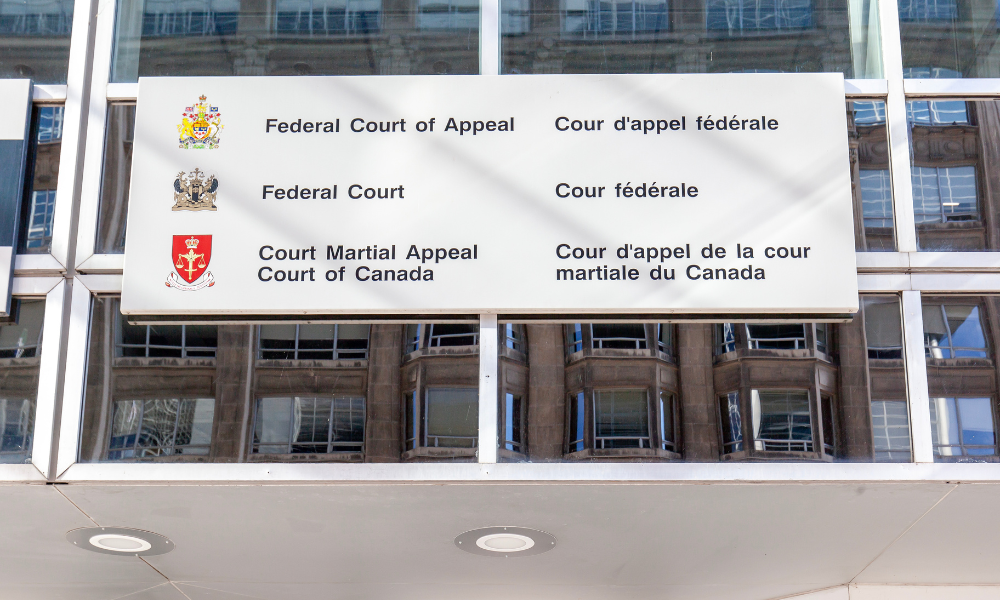
Nine First Nations in Canada have initiated judicial review proceedings before the Federal Court, challenging the federal government's approval of the Pacific Link crude oil pipeline and tankers project under Bill C-5, the Building Canada Act (BCA), citing concerns over inherent title, rights, and lack of consultation. This legal action underscores the ongoing tension between national infrastructure development and constitutionally protected Indigenous rights in Canada.
This legal challenge is highly significant as it represents a direct assertion of Indigenous rights and title against a major infrastructure project approved by the Canadian government, potentially setting precedents for future resource development and consultation processes. The core of the challenge lies in the alleged failure to conduct impact assessments and consult adequately, which could undermine the legitimacy of the project's approval and reinforce the legal obligations of the Crown towards Indigenous peoples. The outcome of this judicial review will have broad implications for environmental law, Indigenous law, and the economic development of natural resources across Canada, particularly concerning the balance between national interest projects and constitutionally protected Indigenous rights.
The legal context for this challenge is rooted in the Building Canada Act (Bill C-5) and implicitly references the Impact Assessment Act, 2019, from which pipelines were reportedly deleted as requiring assessment. This highlights a critical tension between federal legislation designed to facilitate infrastructure projects and the Crown's constitutional duty to consult and accommodate Indigenous peoples, as affirmed by numerous Supreme Court of Canada decisions. The First Nations are asserting their inherent title and rights, which are protected under Section 35 of the Constitution Act, 1982. The Federal Court's role in judicial review involves assessing the legality and procedural fairness of government decisions. The specific requests made by the applicants to the Federal Court are not detailed in the excerpt, nor is the outcome of this matter yet reported.
Key parties involved include the nine applicant First Nations: Boston Bar, Cheam, Lower Nicola Indian Band, Kwantlen, kʷikʷəƛəm, Skeetchestn, St'át'imc Nation, Tsartlip, and T’Sou-ke First Nations. They are challenging the Canadian federal government's approval of the Pacific Link project. The Federal Court is the forum for this judicial review. The St’át’imc Chiefs Council has also been a vocal proponent of the challenge, emphasizing the potential devastating effects on Fraser River salmon and their way of life, and alleging "collusion" between governments and industry.
Attorneys advising clients on resource development projects in Canada must be acutely aware of the robust and evolving legal framework surrounding Indigenous rights and consultation, particularly when projects are deemed to be in the "national interest." This case underscores the necessity of comprehensive impact assessments and meaningful consultation processes that go beyond mere information sharing, even for projects approved under specific federal acts like the BCA. Businesses and government entities should anticipate increased scrutiny and potential legal challenges based on alleged failures in consultation or impact assessment, and should proactively engage with Indigenous communities to mitigate legal and reputational risks. The outcome of this matter is not yet reported, but it will be critical to monitor for its implications on project approvals and Indigenous-Crown relations.
How does this affect you?
Get an AI analysis of this article grounded in your jurisdictions, practice areas, and any policy documents you've uploaded to Wansom.
Wansom is AI and can make mistakes.