
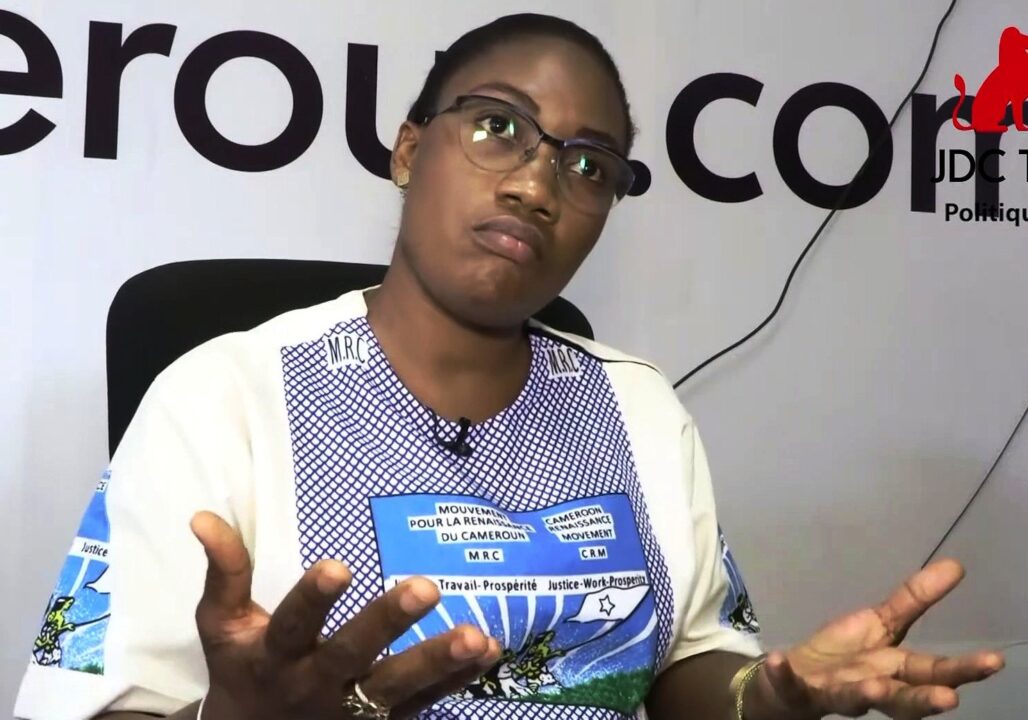
Cameroun MRC: Dénonce 14 Ans D'Immixtion État Et Harcèlement Administratif
Summary
- Tiriane Noah, interim president of the Mouvement pour la renaissance du Cameroun (MRC), has published a tribune alleging 14 years of systematic state interference against the party.
- The tribune claims this harassment justifies the recent resignations of Maurice Kamto and Mamadou Mota, described as a strategic move to avoid administrative and judicial traps.
- The MRC has faced a documented history of pressure, including dozens of prohibited demonstrations between 2013 and 2017.
- In 2018, Maurice Kamto and nearly 300 militants were imprisoned for nine months after the presidential election.
- The party announced its new presidium will be designated on October 17, requesting the process occur without state intervention.
Allegations of State Interference
The party's interim president, Tiriane Noah, framed these resignations not as a sign of weakness, but as a strategic maneuver designed to extricate the Mouvement pour la renaissance du Cameroun from what she termed a 'trap set by the territorial administration through administrative and judicial contestation.'
The Mouvement pour la renaissance du Cameroun (MRC) has publicly accused the Cameroonian state of persistent and systematic interference in its internal affairs, spanning a period of 14 years. This strong condemnation comes from Tiriane Noah, the party's interim president, who recently published a tribune titled "Quand l'État se fait juge et partie dans la vie des partis politiques" (When the State acts as judge and party in the life of political parties). The document articulates the MRC's deep-seated frustration with what it describes as continuous administrative harassment since its establishment in 2012.
This alleged pattern of state intervention is presented as the underlying reason for the unexpected resignations of prominent party figures, Maurice Kamto and Mamadou Mota, on September 8. The party's interim president, Tiriane Noah, framed these resignations not as a sign of weakness, but as a strategic maneuver designed to extricate the Mouvement pour la renaissance du Cameroun from what she termed a "trap set by the territorial administration through administrative and judicial contestation." She underscored that the fundamental issue is not merely who leads the MRC, but rather the enduring reality that leading the party has consistently entailed "permanent administrative pressure" for over a decade.
Looking ahead, the MRC has announced that the process for designating its new presidium is scheduled for October 17. In light of the ongoing challenges, the party has explicitly called for this crucial internal proceeding to take place "without interference," emphasizing its desire for an autonomous and unhindered selection of its leadership. This highlights the central theme of the "Cameroun MRC dénonce immixtion État 14 ans."
A History of Administrative Pressure
The tribune published by the MRC president meticulously details a chronology of events that the party cites as evidence of this systematic administrative harassment. Between 2013 and 2017, the party reports that dozens of its declared public demonstrations were prohibited by authorities, effectively stifling its ability to express dissent or mobilize supporters. This period illustrates a consistent pattern of what the "MRC Cameroun harcèlement administratif" refers to.
The pressure intensified during electoral years. In 2018, following the presidential election, Maurice Kamto, along with approximately 300 other militants, faced imprisonment for a period of nine months. This significant detention of party leadership and members underscores the severe consequences faced by the opposition during critical political junctures.
Further incidents of alleged state overreach occurred in 2020, another electoral year. During this time, several militants associated with the Mouvement pour la renaissance du Cameroun were arrested specifically for distributing materials, further illustrating the "ingérence État partis politiques Cameroun" in the party's operational activities. These documented instances form the basis of the MRC's claims regarding sustained administrative and judicial challenges.
Challenges to Political Freedom
The core argument put forth by the MRC, particularly through Tiriane Noah's tribune, is that the state has transgressed its neutral role, effectively acting as both "judge and party" in the internal affairs and public activities of political organizations. This framing suggests a deliberate strategy by the authorities to undermine opposition movements through administrative and legal means, rather than engaging in fair political competition.
The persistent nature of this alleged interference, spanning 14 years since the party's inception, raises significant questions about the environment for political pluralism and freedom of association in Cameroon. The MRC's experience, as articulated by its leadership, paints a picture where the very act of leading an opposition party is inextricably linked to enduring "permanent administrative pressure," making it a constant struggle against external forces. This continuous "immixtion État" has become a defining characteristic of the party's existence.
Practical Implications
This article details alleged systematic administrative and judicial interference by the Cameroonian state against a political party. Lawyers advising political organizations, NGOs, or any entity potentially subject to state scrutiny in Cameroon should note these documented patterns of pressure, as they highlight significant legal and operational risks related to freedom of association, assembly, and the potential for politically motivated administrative or judicial challenges.
Source
Source: Original reporting via JDC
How does this affect you?
Get an AI analysis of this article grounded in your jurisdictions, practice areas, and any policy documents you've uploaded to Wansom.
Finish Reading the Full Story and the Expert Analysis.
Get the latest legal & regulatory intelligence in Cameroon
Wansom is AI and can make mistakes.