
Cameroun: Décret 2026/00201 Rayonnements Ionisants Sets New Fees
Summary
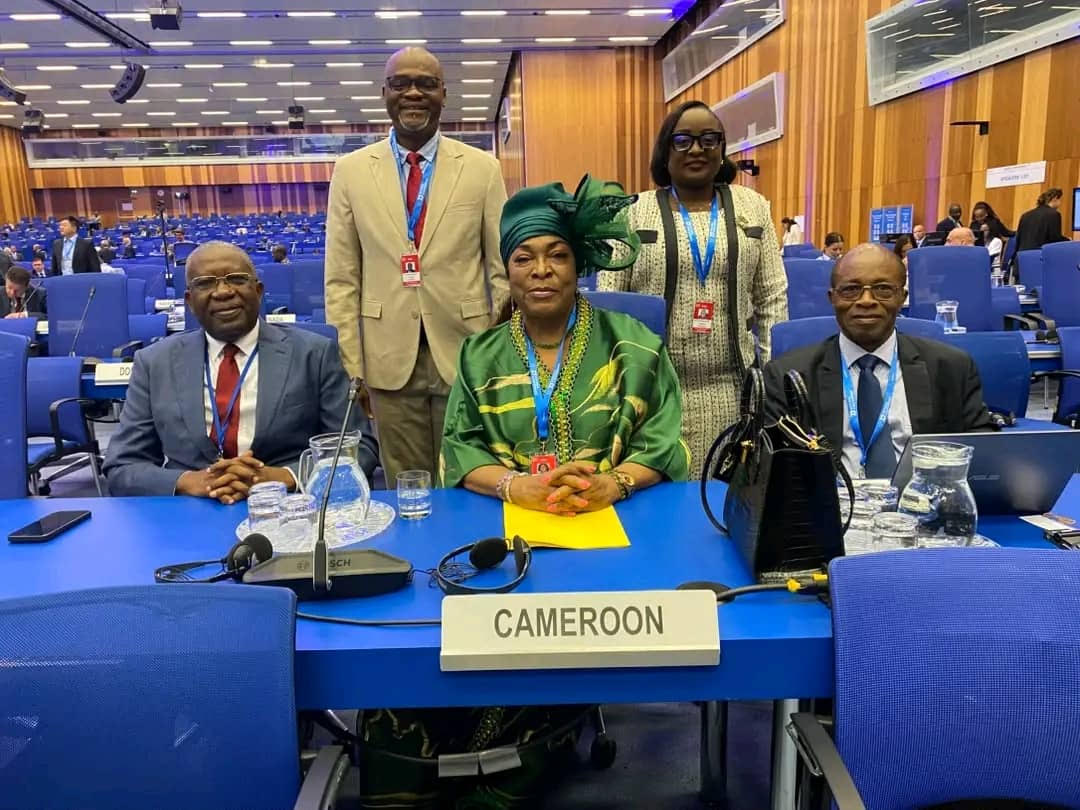
- Cameroon's Minister of Scientific Research and Innovation, Madeleine Tchuinté, presented the nation's nuclear advancements at the 70th IAEA General Conference in Vienna on September 15, 2026.
- A key development highlighted was Décret N°2026/00201 of February 2, 2026, which established new fees and taxes on ionizing radiation.
- The country is also conducting a feasibility study on civil nuclear power to achieve energy sovereignty and carbon neutrality.
- Cameroon established a new mammography unit at Douala General Hospital for breast cancer screening under the "Rayon d'Espoir" initiative.
- The IAEA, via ASRAN, provided support during Pope Leo XIV's visit to Cameroon from April 15-18, 2026.
Cameroon's Diplomatic Presence at the IAEA General Conference
The introduction of this Cameroun Décret 2026/00201 rayonnements ionisants marks a pivotal moment for entities involved in activities generating or utilizing such radiation.
Cameroon recently showcased its advancements in nuclear affairs at the 70th ordinary session of the International Atomic Energy Agency (IAEA) General Conference. The event, held in Vienna, Austria, from September 14 to 18, 2026, served as a significant international platform for discussions on global nuclear developments.
Leading the Cameroonian delegation, Dr. Madeleine Tchuinté, who serves as the Minister of Scientific Research and Innovation (MINRESI), delivered Cameroon's official Declaration on September 15, 2026. Addressing an assembly of 4000 representatives from 182 countries, Minister Tchuinté lauded the productive cooperation between Cameroon and the IAEA. Her address specifically highlighted key activities undertaken throughout the year 2026, underscoring the nation's commitment to nuclear development and safety.
Significant Regulatory Update for Ionizing Radiation
A central point of Minister Tchuinté's address was the substantial reinforcement of Cameroon's legislative and regulatory framework concerning nuclear safety and security. This critical development materialized through the enactment of Décret N°2026/00201 on February 2, 2026. This new decree specifically outlines and establishes the fees and taxes applicable to `rayonnements ionisants` within the country.
The introduction of this `Cameroun Décret 2026/00201 rayonnements ionisants` marks a pivotal moment for entities involved in activities generating or utilizing such radiation. It necessitates a thorough review by legal and compliance professionals to understand the updated financial obligations and ensure adherence to the enhanced regulatory landscape. This legislative measure is designed to bolster `Cameroun sécurité sûreté nucléaires` by providing a clearer and more robust system for managing radiation sources, with the `Cameroun taxes rayonnements ionisants` introduced by this decree likely impacting operational costs for relevant industries.
Strategic Pursuit of Civil Nuclear Energy and Carbon Neutrality
Beyond regulatory enhancements, Cameroon's declaration also detailed progress on a comprehensive feasibility study focused on civil nuclear power. This strategic initiative reflects the nation's dual ambition to secure its energy future and contribute to global environmental goals. The study is specifically designed to explore pathways for achieving energy sovereignty, thereby reducing reliance on external energy sources.
Concurrently, this exploration of civil nuclear options is aligned with Cameroon's broader commitment to achieving carbon neutrality. The evolving `Législation nucléaire Cameroun 2026` is poised to support such strategic energy transitions, indicating a long-term vision for sustainable development. This forward-looking approach positions nuclear energy as a potential cornerstone for both national self-sufficiency and environmental stewardship.
Public Health Initiatives and International Partnerships
Further demonstrating its commitment to public welfare, Cameroon highlighted the establishment of a new mammography unit at the Douala General Hospital. This vital facility operates under the "Rayon d'Espoir" initiative, which is dedicated to advancing breast cancer screening and early detection efforts across the nation. This initiative underscores the practical application of nuclear-related technologies for public health benefits.
Minister Tchuinté's `Madeleine Tchuinté déclaration nucléaire` also acknowledged the invaluable support provided by the IAEA, specifically through its African Regional Cooperative Agreement for Research, Development and Training Related to Nuclear Science and Technology (ASRAN). This international collaboration was particularly instrumental during the high-profile visit of Pope Leo XIV to Cameroon, which took place from April 15 to 18, 2026. Such partnerships are crucial for leveraging global expertise and resources in areas ranging from medical applications to ensuring `Cameroun sécurité sûreté nucléaires` during significant national events.
Practical Implications
Lawyers and compliance officers advising entities in Cameroon that handle ionizing radiation must review Décret N°2026/00201 of February 2, 2026, to understand the new fees and taxes imposed. This is crucial for ensuring compliance and accurately assessing financial obligations related to nuclear safety and security.
Source
How does this affect you?
Get an AI analysis of this article grounded in your jurisdictions, practice areas, and any policy documents you've uploaded to Wansom.
Finish Reading the Full Story and the Expert Analysis.
Get the latest legal & regulatory intelligence in Cameroon
Wansom is AI and can make mistakes.