
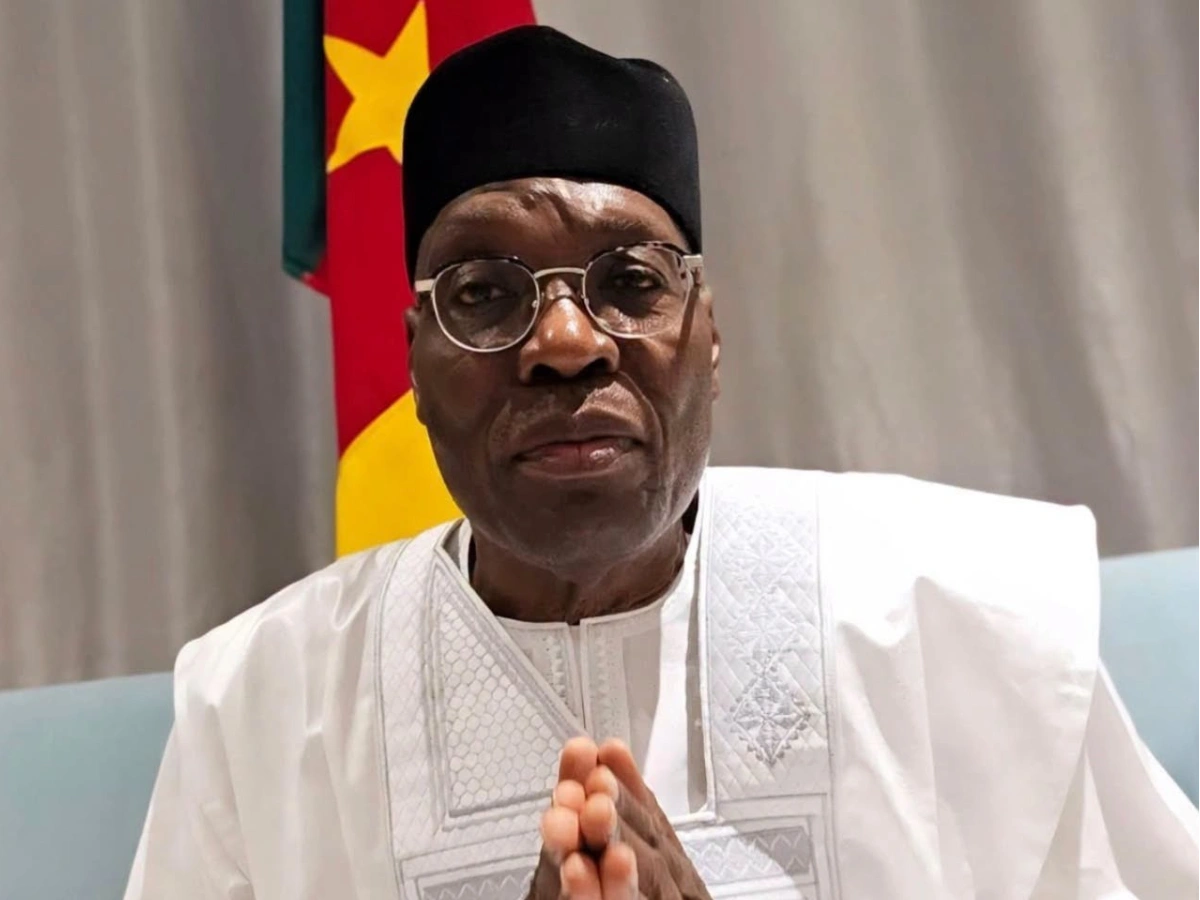
Aboubakary Siddiki: Condemns FSNC Suspension in Cameroun
Summary
- The Front pour le Salut National du Cameroun (FSNC) was administratively suspended, with authorities citing "appel à l'insurrection" related to contesting past election results.
- FSNC leader Issa Tchiroma Bakary is currently in exile in Gambia.
- Aboubakary Siddiki, National President of the MPSC, condemned the FSNC suspension as an act of "political neutralization."
- This action is viewed as an attempt to weaken the opposition and reduce political competition ahead of Cameroon's 2027 legislative and municipal elections.
- The MPSC's statement highlights concerns about the fairness of the democratic process and the respect for freedom of association in Cameroon.
Administrative Action Against FSNC
This administrative maneuver is widely interpreted as a strategic attempt at political neutralization, designed to diminish the opposition's influence and narrow the political landscape.
Cameroon's political environment has grown increasingly tense, particularly following the repercussions of the October 2025 presidential election. Amidst this climate, the administrative suspension of the Front pour le Salut National du Cameroun (FSNC), a political party led by Issa Tchiroma Bakary, who is currently in exile in Gambia, has sent shockwaves through the political class. This action has prompted a strong reaction from various opposition figures.
Authorities justified the FSNC suspension by citing serious accusations of "appel à l'insurrection," linking them to the party's contestation of the previous presidential election results. However, this rationale has failed to convince independent observers and opposition forces, who view it as a familiar security-oriented narrative. Aboubakary Siddiki, the National President of the Mouvement Patriotique du Salut Camerounais (MPSC), publicly broke his silence, offering firm support to the FSNC and critically assessing the state of Cameroonian democracy.
Political Maneuvering Ahead of 2027
According to Mr. Siddiki, the true nature of the FSNC suspension is an administrative maneuver aimed at political neutralization. By targeting a well-established party and a prominent national figure like Issa Tchiroma Bakary, the ruling power is perceived to be sending a message of firmness, which the opposition interprets as an effort towards "democratic purification." This administrative maneuver is widely interpreted as a strategic attempt at political neutralization, designed to diminish the opposition's influence and narrow the political landscape.
This seemingly arbitrary suspension cannot be understood outside the current political timeline, as Cameroon approaches the legislative and municipal elections scheduled for 2027. Removing the FSNC from the political arena at this critical juncture effectively reduces the opposition's political options and weakens competition in key electoral strongholds. Mr. Siddiki specifically highlights the systemic and biased application of regulatory and administrative mechanisms to maintain power, suggesting that the administration, which should ideally be a neutral guarantor of public order and liberties, is instead acting as an instrument of the regime to impede its political adversaries.
Challenges to Democratic Principles
Beyond expressing inter-party solidarity with the FSNC, the MPSC Aboubakary Siddiki déclaration raises fundamental questions crucial for Cameroon's future: the fairness of the democratic process. It challenges how a pluralistic electoral competition can exist when the ruling power claims the right to dissolve or suspend its rivals based on disagreements. The FSNC suspension brings the issue of equal opportunities for political formations back into public discourse.
This incident directly questions the respect for freedom of association and underscores the absence of independent institutional guarantees, which are essential for the expression of a genuine democracy in Cameroun. By speaking out against this suspension, the MPSC, through its president Aboubakary Siddiki, is not merely defending an allied party; it is advocating for the very idea of a pluralistic, just Cameroon that upholds its own laws. As 2027 draws nearer, the opposition in Cameroon has signaled its unwillingness to accept a political game perceived as predetermined.
Practical Implications
Lawyers advising political parties or associations in Cameroon should note the heightened risk of administrative suspension, particularly for opposition groups, under broad accusations like 'appel à l'insurrection' ahead of elections. This case highlights potential challenges to freedom of association and the need for vigilance regarding administrative overreach and the lack of independent institutional guarantees in the electoral process.
Source
How does this affect you?
Get an AI analysis of this article grounded in your jurisdictions, practice areas, and any policy documents you've uploaded to Wansom.
Finish Reading the Full Story and the Expert Analysis.
Wansom is AI and can make mistakes.