
Cameroun MINFI: Centralizing Compte Unique Trésor Fonds Dispersés
Summary
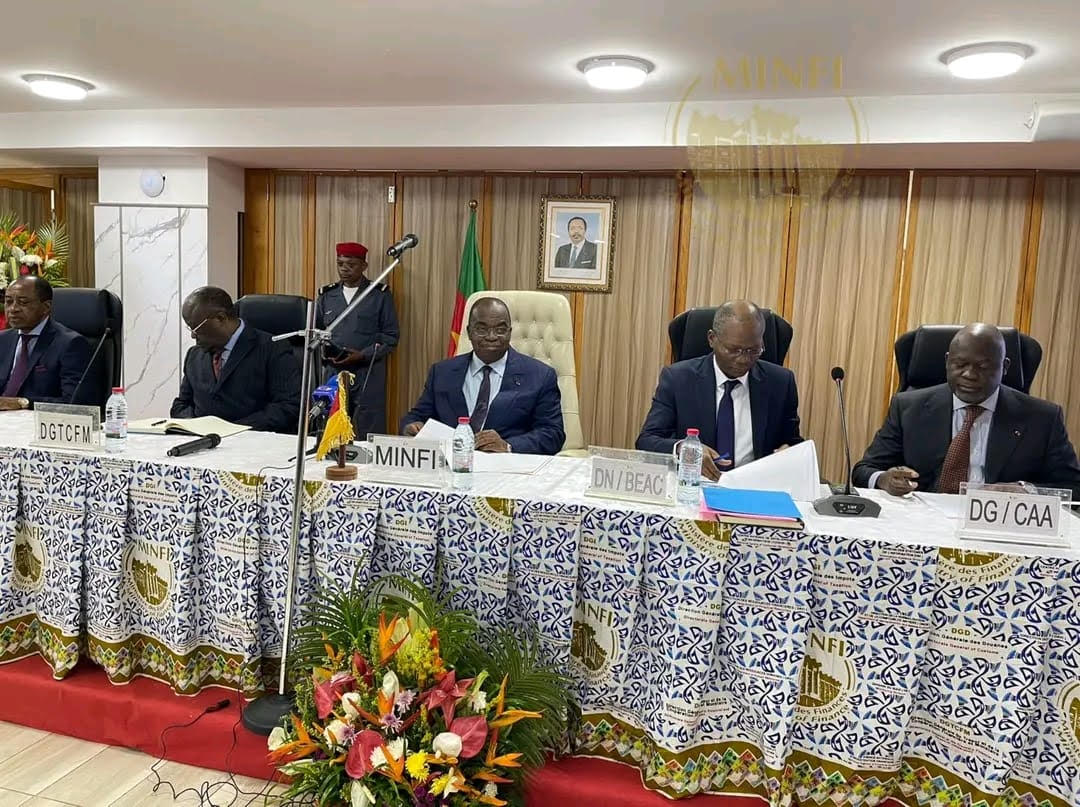
- Cameroon's Minister of Finance, Louis Paul Motaze, will host a workshop on September 29, 2026, in Yaoundé to accelerate the centralization of public funds.
- The initiative, part of the Compte Unique Trésor (CUT) reform launched in 2022, aims to update figures on state resources held in commercial banks.
- An estimated 450 billion FCFA in public funds were identified as dispersed across commercial banks in 2022, outside direct Treasury control.
- The workshop will conduct a precise census of all public administration accounts, their balances, and management methods to ensure effective centralization.
- Key goals of the CUT include improving state treasury visibility, optimizing expenditure programming, reducing short-term borrowing, and enhancing fund security.
Renewed Drive for Financial Centralization
The upcoming workshop builds upon findings from the initial phase of the Compte Unique Trésor reform, which was first launched in 2022.
Cameroon's Minister of Finance, Louis Paul Motaze, is set to convene a crucial workshop in Yaoundé on September 29, 2026, signaling a renewed push to centralize public funds. This initiative, a key component of the broader Compte Unique Trésor (CUT) reform, aims to update existing financial data and accelerate the integration of state resources into the central treasury. The gathering will bring together a diverse group of stakeholders, including bankers, insurers, and representatives from various public administrations, underscoring the collaborative effort required for this significant financial overhaul.
The upcoming workshop builds upon findings from the initial phase of the Compte Unique Trésor reform, which was first launched in 2022. That earlier assessment revealed a substantial sum of public money, approximately 450 billion FCFA, held in commercial banks. These `fonds dispersés` belonged to the state and its various entities but were managed outside the direct oversight of the public treasury, prompting concerns about transparency and control. The current effort seeks to address these long-standing issues by bringing these resources under a unified management framework.
This new census operation is designed to meticulously identify all public administration accounts that remain active within the commercial banking system. Beyond mere identification, the exercise will ascertain the precise balances of these accounts and scrutinize their current management practices. For the Minister of Finance, this detailed accounting is indispensable, as effective centralization of public funds cannot proceed without a clear and comprehensive understanding of where state money is located, its total value, and how it is currently being utilized.
The Compte Unique Trésor Reform Explained
The Compte Unique Trésor (CUT) represents a fundamental reform in the `gestion trésorerie État Cameroun`, designed to consolidate all public financial resources into a single account managed by the central treasury. This strategic move is intended to enhance the state's financial oversight and control, moving away from a fragmented system where various public entities maintained independent accounts in commercial banks. The reform, initiated in 2022, specifically targets the significant volume of `fonds publics` that were previously held outside direct government purview, estimated at 450 billion FCFA.
The core objective of this `réforme Compte Unique Trésor` is to achieve greater visibility and transparency over the nation's finances. By centralizing these funds, the government aims to gain a real-time, comprehensive picture of its cash position, which is critical for informed decision-making. The upcoming census, therefore, is not just an administrative task but a foundational step towards achieving this enhanced financial clarity. It underscores the government's commitment to a more disciplined and accountable approach to managing public money.
Minister Louis Paul Motaze has consistently emphasized that without a thorough census, the goal of effective `centralisation fonds publics Cameroun` remains elusive. The process of accurately cataloging every public account, its balance, and its operational procedures is seen as the bedrock upon which a truly unified and transparent treasury system can be built. This meticulous approach is expected to streamline financial operations and reinforce the state's capacity to manage its resources strategically.
Strategic Goals of Centralization
The anticipated benefits of fully implementing the Compte Unique Trésor are multifaceted and strategically vital for Cameroon's economic stability. A primary gain is the promise of significantly improved visibility into the state's overall treasury position. By consolidating all `fonds publics` into a single account, authorities will have an immediate and accurate understanding of available resources, enabling more agile and responsive financial management. This enhanced clarity is expected to transform how the government plans and executes its expenditures.
Furthermore, the `réforme Compte Unique Trésor` is projected to facilitate more efficient programming of public spending. With a centralized view of all funds, the government can allocate resources more strategically, optimize cash flows, and reduce instances of idle funds. This improved efficiency is also expected to lead to a decrease in the state's reliance on short-term borrowing, as better management of existing `450 milliards FCFA fonds publics` and other resources can cover immediate financial needs without incurring additional debt. The ability to reduce borrowing needs could have positive implications for the national budget and overall fiscal health.
Crucially, the centralization effort is also aimed at significantly enhancing the security of public funds. By bringing these resources under the direct control and robust oversight of the central treasury, the risk of mismanagement, fraud, or loss associated with dispersed accounts in commercial banks is expected to diminish. This focus on securing state assets underscores the comprehensive nature of the `gestion trésorerie État Cameroun` reform, which seeks to instill greater confidence and integrity in the handling of public finances.
Practical Implications
Lawyers advising commercial banks, public administrations, or state-owned enterprises in Cameroon should anticipate increased scrutiny and potential new compliance requirements regarding the management and reporting of public funds held outside the central treasury. This initiative aims to centralize state finances, which may lead to stricter directives on account reconciliation and fund transfers, impacting financial operations and regulatory adherence for affected entities.
Source
Source: Original reporting via {source}
How does this affect you?
Get an AI analysis of this article grounded in your jurisdictions, practice areas, and any policy documents you've uploaded to Wansom.
Finish Reading the Full Story and the Expert Analysis.
Get the latest legal & regulatory intelligence in Cameroon
Wansom is AI and can make mistakes.