
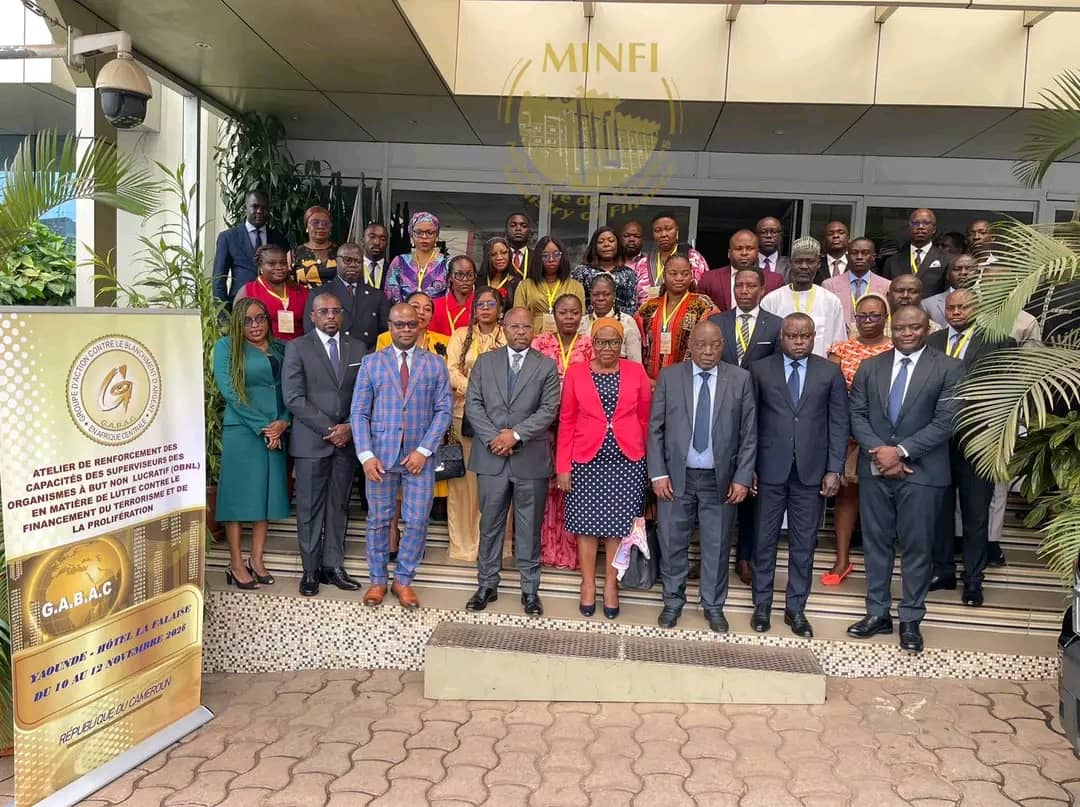
Cameroun: Atelier Renforce la Lutte Contre les Risques de Blanchiment OBNL
Summary
- A three-day workshop commenced in Yaoundé on November 10, 2026, to train supervisors of non-profit organizations.
- The workshop, supported by GABAC, aimed to prevent the misuse of OBNLs for terrorism financing.
- Cameroon is intensifying its efforts to combat money laundering and terrorism financing to exit the FATF grey list.
- The training emphasized risk-based supervision to protect the associative sector without hindering legitimate activities.
Intensified Scrutiny on Non-Profit Organizations
The workshop explicitly clarified that the objective is to protect the associative sector from being misused, rather than to impose sanctions or unduly burden its operations.
Cameroon recently hosted a three-day capacity-building workshop in Yaoundé, commencing on November 10, 2026, specifically aimed at supervisors of non-profit organizations (OBNLs). This crucial event, conducted with the backing of the Central Africa Anti-Money Laundering Group (GABAC), was designed to address and mitigate the risks associated with the potential exploitation of OBNLs for the purposes of terrorism financing. The workshop's core objective was to arm relevant stakeholders with the necessary expertise to more effectively pinpoint financial risks and reinforce existing control measures.
The initiative underscores a broader national drive to prevent the illicit diversion of funds through the associative sector. Participants were trained on methods to enhance oversight and ensure that non-profit entities are not inadvertently used as conduits for illegal financial activities. This proactive stance reflects Cameroon's commitment to fortifying its defenses against financial crimes, particularly within a sector that can be vulnerable to misuse if not properly supervised.
National Strategy Against Financial Crime
This workshop represents a significant step in Cameroon's ongoing efforts to bolster its national framework for combating money laundering and the financing of terrorism. The nation is currently accelerating its actions to meet international standards and commitments set forth by the Financial Action Task Force (FATF), with the ultimate goal of being removed from the FATF grey list. Integrating the non-profit sector into these anti-money laundering (AML) and counter-terrorism financing (CTF) strategies is considered essential for a comprehensive national response.
The engagement with OBNL supervisors highlights the recognition that the fight against money laundering extends beyond traditional financial institutions to include all sectors susceptible to financial crime. By focusing on capacity building within this specific area, Cameroon aims to demonstrate its dedication to a robust and all-encompassing approach to financial integrity. This strategic alignment with international bodies like the FATF is crucial for enhancing the country's global financial standing.
A Risk-Based Approach to Oversight
A central tenet of the Yaoundé workshop was the emphasis on implementing a supervision model rooted in risk assessment. This approach advocates for the application of targeted and proportionate controls, ensuring that regulatory measures are tailored to the specific risk profiles of different non-profit organizations. The intention behind these enhanced controls is not to impede the legitimate and vital work carried out by OBNLs, but rather to safeguard them from potential exploitation.
The workshop explicitly clarified that the objective is to protect the associative sector from being misused, rather than to impose sanctions or unduly burden its operations. This nuanced perspective aims to strike a balance between rigorous oversight and fostering an environment where non-profit organizations can continue their beneficial activities without fear of unwarranted interference. By focusing on prevention and protection, Cameroon seeks to strengthen the integrity of its OBNL landscape while upholding its international obligations.
Practical Implications
Lawyers advising non-profit organizations (OBNLs) in Cameroon, or compliance officers within them, should anticipate increased scrutiny and potential new regulatory requirements related to anti-money laundering and counter-terrorism financing. They must review their clients' internal controls and risk assessment frameworks to ensure compliance and mitigate exposure, particularly as Cameroon intensifies efforts to exit the FATF grey list.
Source
How does this affect you?
Get an AI analysis of this article grounded in your jurisdictions, practice areas, and any policy documents you've uploaded to Wansom.
Finish Reading the Full Story and the Expert Analysis.
Get the latest legal & regulatory intelligence in Cameroon
Wansom is AI and can make mistakes.