
Cameroun: Abstention From UN Resolution on Violence Against Women
Summary
- Cameroon abstained from a UN resolution on preventing violence against women and girls due to reservations about specific textual formulations.
- The government cited concerns over terms like "sexual and reproductive health," "safe abortion," and the definition of "gender," which lack consensus in national legislation.
- Cameroon's Ministry for the Promotion of Women and the Family clarified that the abstention does not signify a lack of commitment to combating violence against women.
- The nation highlighted its ratification of the CEDAW and Maputo Protocol, along with ongoing national initiatives against gender-based violence.
- The abstention was also influenced by the rejection of an amendment emphasizing national sovereignty in the resolution's application.
Cameroon's Stance on UN Resolution
Cameroon's official reservations regarding specific formulations in UN resolutions, particularly concerning sexual and reproductive health, safe abortion, and the definition of 'gender', indicate potential divergences between international norms and national legal interpretations.
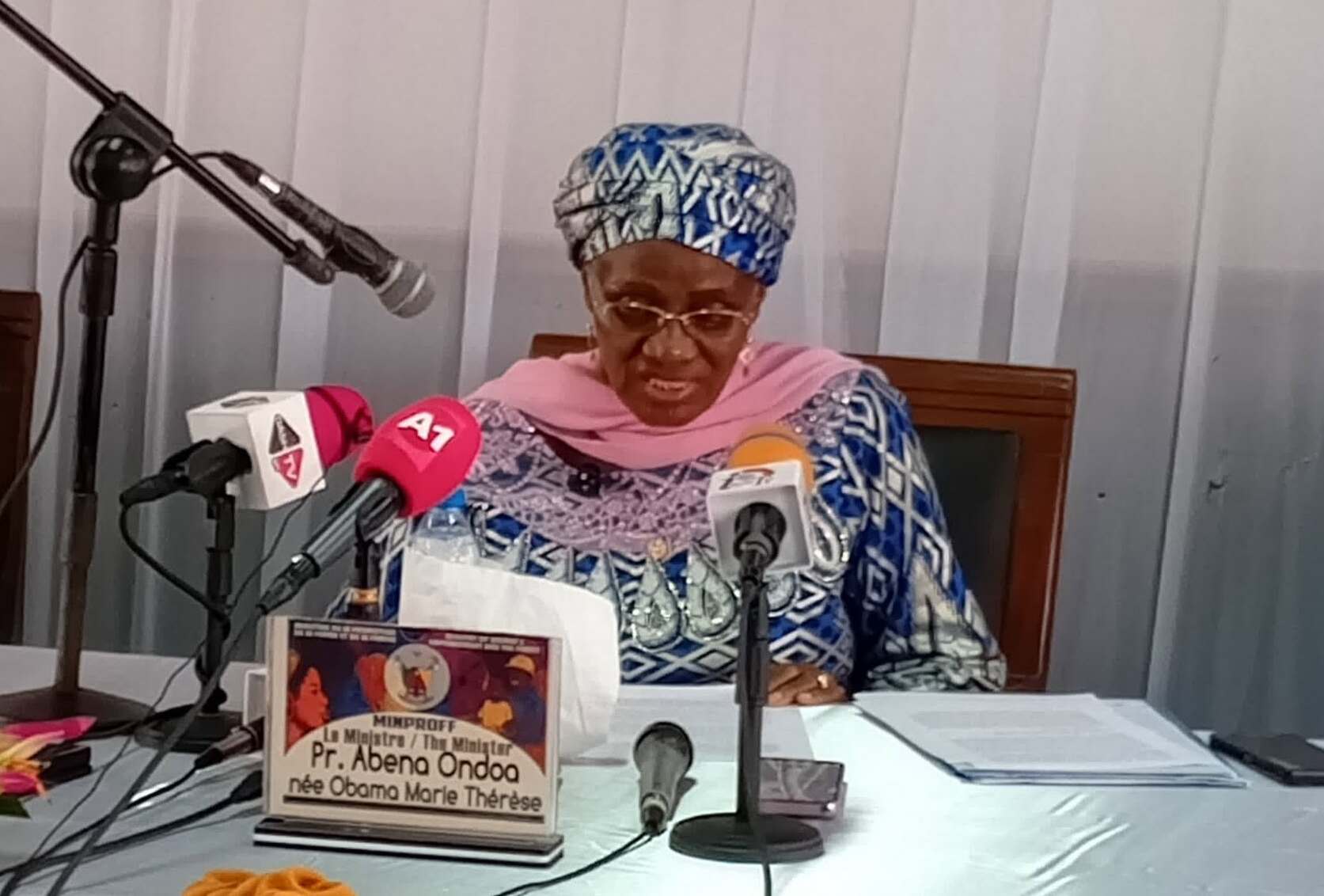
Cameroon recently chose to abstain from a crucial United Nations resolution focused on the prevention and elimination of violence against women and girls. This decision, which saw the nation join five others including the United States and Russia in abstaining, prompted immediate clarification from the Ministry for the Promotion of Women and the Family (MINPROFF).
The resolution, titled "Intensification of efforts to prevent and eliminate all forms of violence against women and girls," was adopted by the Third Committee of the UN General Assembly. Sponsored by France and the United Kingdom, it garnered 175 votes in favor, with Somalia casting the sole vote against. The Cameroun abstention résolution ONU violences femmes was attributed to specific reservations regarding certain formulations within the text, rather than a general opposition to the resolution's core objective.
Legal and Conceptual Reservations
The primary reasons for Cameroon's abstention centered on specific terminology deemed incompatible with its national legislative framework. Authorities expressed particular concern over the inclusion of concepts such as "sexual and reproductive health" and "safe abortion," noting that these terms lack a clear consensus within Cameroonian law. The government also raised objections to the definition of "gender," highlighting existing divergences among delegations on this particular notion.
Furthermore, the Cameroonian delegation deplored the rejection of an amendment that sought to ensure the resolution's application would respect national sovereignty and the specific legislations of individual states. This emphasis on Cameroun souveraineté nationale ONU underscores a broader concern about the potential for international instruments to override domestic legal interpretations, particularly concerning sensitive social and health issues like Cameroun santé sexuelle reproductive and Cameroun avortement sécurisé.
Commitment to Combating Gender-Based Violence
Despite the abstention, the MINPROFF Cameroun résolution ONU clarification firmly stated that this diplomatic move does not reflect a lack of commitment from Cameroon in the fight against violence targeting women. To underscore its dedication, the ministry cited several existing national and international commitments. Cameroon has ratified the Convention on the Elimination of All Forms of Discrimination Against Women (Convention CEDEF Cameroun) and the Protocol to the African Charter on Human and Peoples' Rights on the Rights of Women in Africa, widely known as the Protocole de Maputo Cameroun.
Further demonstrating its ongoing efforts, Cameroon has implemented a National Strategy to Combat Gender-Based Violence and has a draft bill aimed at repressing violence against women currently at the Presidency, with potential submission to Parliament in November 2026. The nation is also preparing to launch the 20th edition of the "16 Days of Actvism Against Violence Against Women and Girls" campaign on November 25, reinforcing its active engagement in this critical area.
Implications for Policy and Compliance
Cameroon's official reservations regarding specific formulations in UN resolutions, particularly concerning sexual and reproductive health, safe abortion, and the definition of 'gender', indicate potential divergences between international norms and national legal interpretations. This position highlights a critical area for legal and compliance professionals advising on human rights, gender equality, or public health within Cameroon.
Such divergences could significantly impact domestic policy, influence legislative reforms, and affect the application of related international conventions within the country. The government's stance underscores that its abstention was a nuanced decision based on specific textual disagreements, rather than a withdrawal from the overarching global effort to eliminate violence against women and girls.
Practical Implications
Lawyers and compliance officers advising on human rights, gender equality, or public health in Cameroon must note the government's official reservations regarding specific formulations in UN resolutions, particularly concerning sexual and reproductive health, safe abortion, and the definition of 'gender'. This indicates potential divergences between international norms and national legal interpretations, which could impact domestic policy, legislative reforms, and the application of related international conventions within Cameroon.
Source
How does this affect you?
Get an AI analysis of this article grounded in your jurisdictions, practice areas, and any policy documents you've uploaded to Wansom.
Finish Reading the Full Story and the Expert Analysis.
Get the latest legal & regulatory intelligence in Cameroon
Wansom is AI and can make mistakes.