
Cameroun: Transporteurs Grève Levée Accords, Licence S6 Suspension
Summary
- A planned strike by road freight transporters in Cameroon, set for August 24, 2026, has been called off following government negotiations.
- Key agreements include the indefinite suspension of S6 license issuance and the prohibition of flat-rate fines by road safety teams.
- Road controls for transit goods will now be limited to conventional checkpoints on the Douala-N'Djamena and Douala-Bangui corridors.
- An interministerial committee will be established to review the transport sector's regulatory framework and address concerns regarding the applicability of the decree transforming the CNCC into a public capital company.
- The government also committed to accelerating the extension of the national collective agreement for road transport and rehabilitating degraded road sections.
Strike Averted Following Government-Industry Dialogue
For legal professionals advising transport companies in Cameroon, these developments carry immediate implications.
The planned strike by road freight transporters in Cameroon, initially scheduled to commence on August 24, 2026, has been called off. This decision follows a crucial consultation meeting held on August 23, 2026, at the Ministry of Transport in Yaoundé. During this gathering, public authorities and various socio-professional organizations representing the transport sector successfully negotiated a series of resolutions addressing the core demands of the transporters. The threat of a widespread disruption to road freight operations across Cameroun has thus been averted, marking a significant development for the nation's logistics and supply chains.
Presided over by Minister of Transport Jean-Ernest Masséna Ngalle Bibehe, the meeting brought together government representatives and union organizations from the sector. Their discussions focused on the concerns outlined in the transporters' strike notice, culminating in a mutual agreement that led to the lifting of the industrial action. This outcome underscores the effectiveness of social dialogue in resolving disputes within critical economic sectors. The Cameroun transporteurs grève levée accords signify a period of renewed cooperation between the government and industry stakeholders.
Key Regulatory Changes and Operational Directives
Among the immediate outcomes of the negotiations is the suspension, effective until further notice, of the issuance of the Licence S6 Cameroun. This measure directly addresses a key concern raised by the transporters. Furthermore, a proposal has been put forward to establish an interministerial committee tasked with undertaking a comprehensive review of the existing regulatory framework governing the transport sector. Separately, issues pertaining to the applicability of the decree transforming the National Shippers' Council of Cameroon (CNCC) into a public capital company are also slated for an interministerial examination.
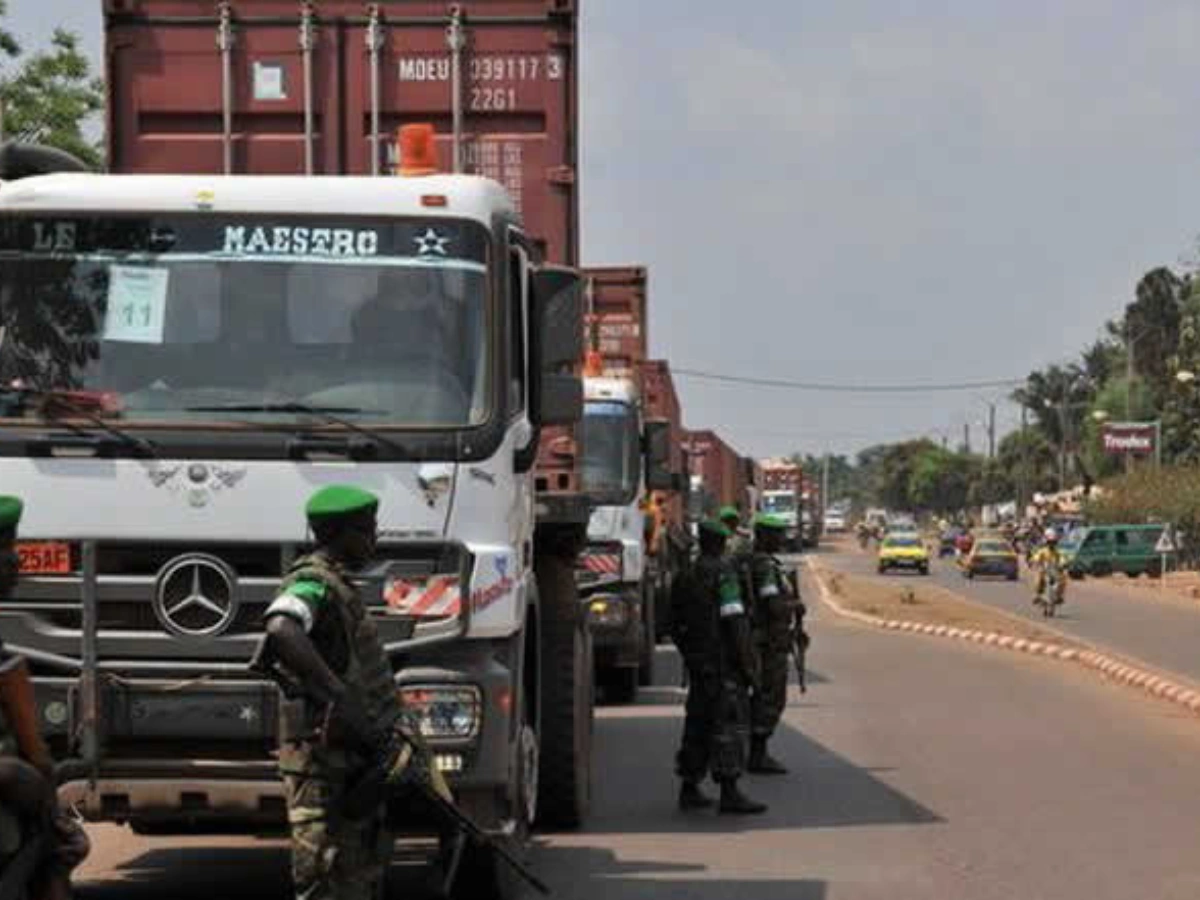
In a move aimed at alleviating operational burdens, authorities have decided to restrict road controls on transit goods exclusively to conventional checkpoints located along the vital Douala-N'Djamena and Douala-Bangui corridors. This change is expected to streamline cross-border movements. Additionally, the practice of collecting flat-rate fines by road safety prevention teams operating under the Ministry of Transport has been explicitly prohibited. Other agreed-upon measures include specific directives concerning the weighing of tanker trucks, controls related to vehicle gauge, and the deployment of mobile axle weighers. The government also committed to addressing persistent issues of road harassment, particularly those reported by transporters in the North-West and South-West regions, which have been a long-standing source of grievances. These new directives on Contrôles routiers marchandises Cameroun aim to create a more predictable operating environment.
Government Pledges for Sectoral Development
Beyond the immediate regulatory adjustments, the government has committed to accelerating the processing of several outstanding issues critical to the road transport sector's long-term stability and development. These commitments include the extension of the national Convention collective transports Cameroun, a move that could standardize working conditions and benefits across the industry. Another significant pledge involves the rehabilitation of degraded road sections, with an emphasis on identifying and reporting critical points to public authorities within a tight 24-hour timeframe.
The proposed interministerial committee, tasked with reviewing the regulatory framework, signals a broader governmental intent to reform and modernize the transport sector. This initiative, stemming from the Ministère des Transports Cameroun accords, suggests a proactive approach to addressing systemic challenges rather than merely reacting to immediate crises. Such a comprehensive review could lead to more sustainable solutions for the industry's future.
Industry's Positive Reception and Legal Considerations
In response to these substantial commitments, professionals within the transport sector have formally acknowledged the government's pledges. They expressed appreciation for the constructive social dialogue that led to the resolution and subsequently decided to officially lift the strike order that was set for August 24, 2026. Following this agreement, industry representatives have urged all members of their platform to resume normal operational activities without delay.
For legal professionals advising transport companies in Cameroon, these developments carry immediate implications. The suspension of S6 license issuance directly impacts compliance requirements, while the new restrictions on road controls necessitate a review of operational risk management strategies. Furthermore, the upcoming interministerial review of the transport regulatory framework, a direct result of the Cameroun routier grève annulation, presents a critical area for ongoing monitoring by legal counsel to anticipate and advise clients on potential future changes affecting their business operations.
Practical Implications
Lawyers advising transport companies in Cameroon must note the immediate suspension of S6 license issuance and the new restrictions on road controls, which directly impact compliance and operational risk. They should also monitor the upcoming interministerial review of the transport regulatory framework for potential future changes affecting their clients.
Source
How does this affect you?
Get an AI analysis of this article grounded in your jurisdictions, practice areas, and any policy documents you've uploaded to Wansom.
Wansom is AI and can make mistakes.