
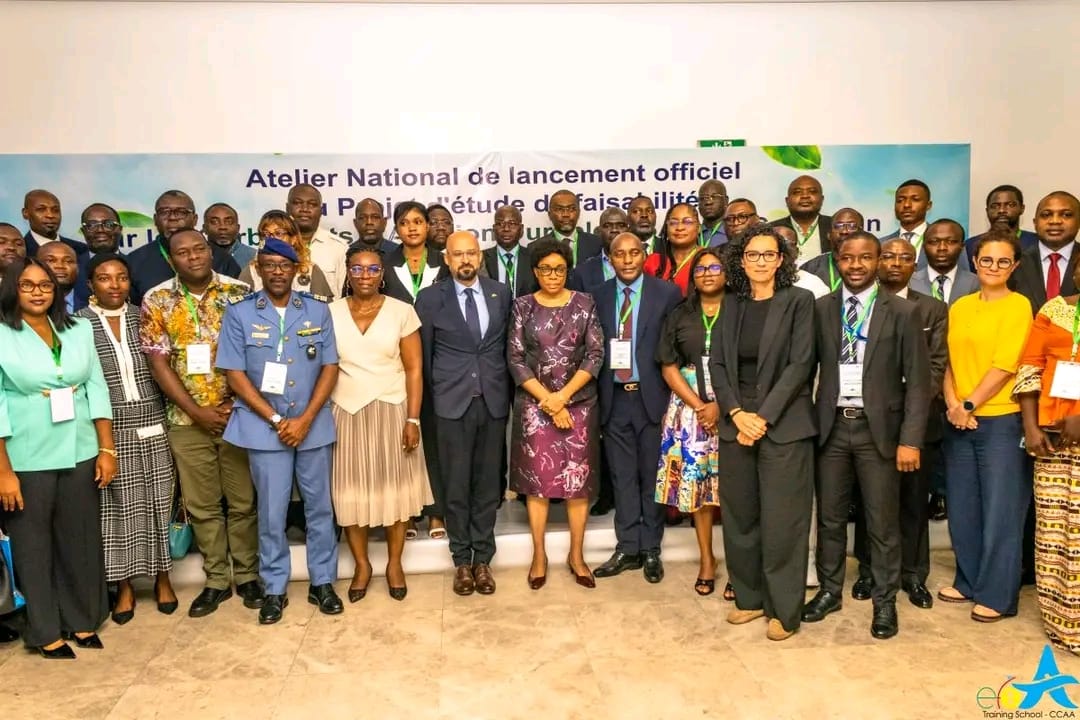
Cameroon CCAA: Launches SAF Feasibility Study with OACI, EU
Summary
- The Cameroon Civil Aviation Authority (CCAA), with OACI and EU support, has launched a feasibility study on Sustainable Aviation Fuels (SAF) on August 31, 2026.
- The study aims to evaluate resources, technologies, and conditions for a national SAF production and utilization sector, analyzing economic benefits like job creation and emissions reduction.
- After expert exchanges and ten days of field surveys, conclusions are expected in six months, leading to a national roadmap conforming to OACI standards.
- This initiative positions Cameroon for 'green aviation,' aligning its air transport with international climate commitments and creating local value.
- The study's findings will likely lead to new regulations, incentives, or compliance obligations for airlines and related industries in Cameroon.
Cameroon Initiates Major SAF Feasibility Study
Legal professionals should closely monitor the outcomes of this study and the subsequent Cameroon green aviation roadmap.
The Cameroon Civil Aviation Authority (CCAA), in a collaborative effort with the International Civil Aviation Organization (OACI) and with the support of the European Union, has launched a significant feasibility study on Sustainable Aviation Fuels (SAF). This crucial initiative, which commenced on August 31, 2026, aims to thoroughly assess the viability of developing a national sector for the production and utilization of SAF within Cameroon. The comprehensive Cameroon SAF feasibility study will delve into various critical aspects, including an evaluation of available local resources, an identification of suitable technologies, and an analysis of the necessary conditions required to establish such an industry.
The study's methodology is structured to gather extensive data and insights. It began with a two-day period of intensive exchanges involving experts and key stakeholders, setting the stage for the subsequent research. Following these initial discussions, a ten-day phase of on-the-ground surveys will be conducted, engaging directly with actors across the industrial, agricultural, and infrastructure sectors relevant to SAF development. The findings from this detailed investigation are anticipated within six months of the study's launch, culminating in a set of conclusions that will form the basis for a national roadmap.
This forthcoming national roadmap, which will be developed in alignment with OACI standards, is expected to outline the strategic direction for Cameroon's engagement with sustainable aviation. The CCAA sustainable aviation fuels Cameroon initiative underscores the nation's proactive approach to integrating environmentally friendly practices into its aviation sector, positioning itself as a key player in the continent's green aviation efforts. The study is a foundational step towards understanding the practicalities and potential of a domestic SAF industry.
Strategic Goals and Economic Impact
Beyond the technical assessment, the Cameroon SAF feasibility study is designed to analyze the broader economic benefits that a thriving national SAF sector could bring. This includes a close examination of its potential to stimulate job creation across various industries, enhance the valorization of local resources, and significantly contribute to the reduction of air transport emissions. By fostering a domestic SAF industry, Cameroon aims to leverage its natural assets for economic growth while simultaneously addressing environmental concerns.
This strategic move by Cameroon aligns its air transport sector with international climate commitments, reflecting a global push towards more sustainable practices in aviation. The development of a Cameroon green aviation roadmap, informed by the study's conclusions, is a strategic step not only for environmental stewardship but also for creating substantial local value. The OACI EU Cameroon SAF study is therefore a multifaceted endeavor, seeking to balance ecological responsibility with economic opportunity, ensuring that the nation's aviation growth is sustainable and beneficial to its citizens.
Ultimately, the initiative signals Cameroon's intent to position itself at the forefront of green aviation in the region. The anticipated reduction in Cameroon aviation emissions will contribute to global climate goals, while the economic diversification and job creation will bolster national development. The study's findings will be instrumental in shaping policies that support this dual objective.
Anticipating Future Regulatory and Market Landscape
The conclusions drawn from the Cameroon SAF feasibility study and the subsequent development of a national roadmap are poised to significantly reshape the regulatory and market landscape for aviation in the country. This foundational work by the CCAA, OACI, and EU signals an impending shift towards a more sustainable operational environment, which will likely introduce new regulations, incentives, or compliance obligations for airlines and related industries operating within Cameroon's jurisdiction. The focus on CCAA sustainable aviation fuels Cameroon will necessitate a re-evaluation of existing operational frameworks and potentially lead to mandates for SAF integration.
Legal professionals should closely monitor the outcomes of this study and the subsequent Cameroon green aviation roadmap. The findings could directly impact environmental compliance requirements for aviation operators, influence investment opportunities in green technologies, and alter the competitive landscape for fuel suppliers and aircraft manufacturers. Understanding these potential shifts early will be crucial for strategic planning and ensuring adherence to future national and international standards, particularly as Cameroon aviation emissions reduction becomes a more formalized objective.
This proactive approach to developing a national SAF sector suggests that Cameroon is preparing to implement policies that will encourage or mandate the use of sustainable fuels. Such measures could include tax incentives for SAF producers, subsidies for airlines adopting SAF, or even carbon pricing mechanisms. Therefore, the study's conclusions will not merely be academic; they will serve as a blueprint for a transformative period in Cameroon's aviation industry, demanding careful attention from all stakeholders.
Practical Implications
This feasibility study signals Cameroon's intent to develop a national sustainable aviation fuel (SAF) sector, which will likely lead to new regulations, incentives, or compliance obligations for airlines and related industries operating in the country. Lawyers should monitor the study's conclusions and the subsequent roadmap for potential impacts on aviation operations, environmental compliance, and investment opportunities in green technologies.
Source
How does this affect you?
Get an AI analysis of this article grounded in your jurisdictions, practice areas, and any policy documents you've uploaded to Wansom.
Finish Reading the Full Story and the Expert Analysis.
Wansom is AI and can make mistakes.