
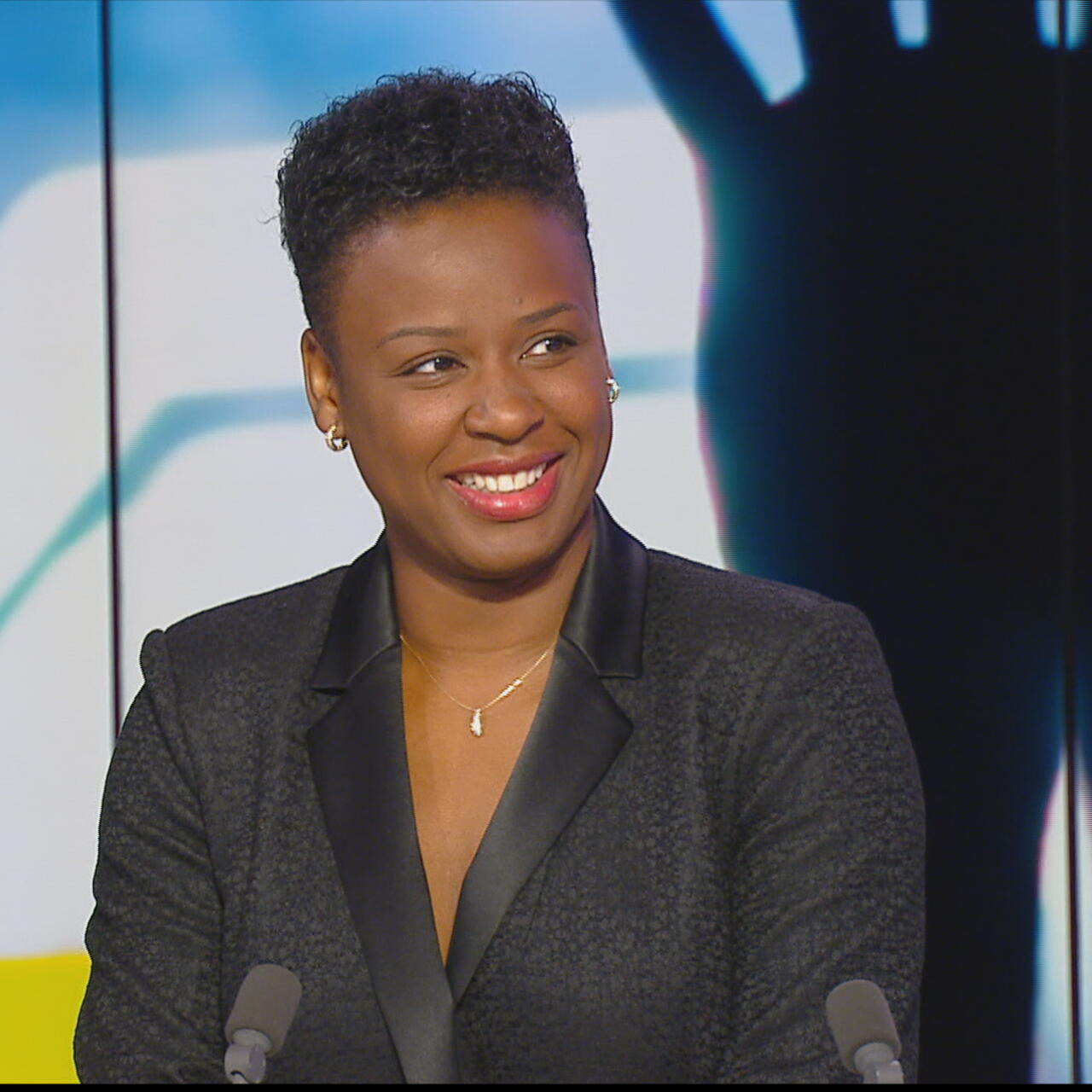
Cameroon: Charlotte Dipanda Censorship Sparks Artistic Freedom Debate
Summary
- Cameroonian musician Charlotte Dipanda was removed from a Canal 2 awards gala at the reported instigation of the Presidency of the Republic.
- The reason cited for her removal was her public call for political change, deemed inconsistent with performing for the First Lady.
- Critics argue this action disregards constitutional guarantees of freedom of opinion and artistic expression for artists in Cameroon.
- The incident highlights the risks faced by artists who voice dissenting views and the potential for political interference in cultural events.
- The article suggests that such censorship ultimately strengthens opposition and legitimizes criticism against the government, while art endures beyond political regimes.
The Incident
A government that chooses to punish and exclude, rather than unite, risks strengthening opposition and validating criticism against itself.
A recent decision to remove Charlotte Dipanda, a prominent Cameroonian musician, from a Canal 2-sponsored awards gala has sparked widespread public outcry. This action, reportedly initiated by the Presidency of the Republic, has ignited a significant debate regarding artistic freedom and the state's role in cultural expression within Cameroon.
The core grievance cited against Dipanda stems from a perceived inconsistency: her public advocacy for "change" at the highest levels of government, juxtaposed with her scheduled performance before the First Lady. This rationale has been widely criticized as illogical and a clear instance of political interference in cultural events, highlighting the precarious position of artists who voice dissenting opinions.
Legal and Political Context
Cameroon's Constitution explicitly guarantees freedom of opinion, making aspirations for political alternation a fundamental right of any citizen, rather than an act of disloyalty. Many observers contend that punishing artists like Charlotte Dipanda for expressing their convictions demonstrates a misunderstanding of republican principles and the courage required to speak openly.
This incident underscores a broader pattern where the state appears to conflate political allegiance with civic duty. Instead of fostering an environment where diverse viewpoints can coexist, actions like the déprogrammation of Dipanda create an oppressive atmosphere, stifling the democratic oxygen essential for societal progress and individual expression among artists in Cameroon.
Implications for Dissent
A government that chooses to punish and exclude, rather than unite, risks strengthening opposition and validating criticism against itself. Historically, genuine threats to stability often emerge not from those who openly challenge the status quo, but from individuals who conceal their ambitions behind excessive flattery and opportunism. By marginalizing sincere voices, the regime inadvertently reinforces dissent and legitimizes the critiques leveled against it.
Furthermore, attempting to humiliate public figures who express honest opinions can prove strategically perilous for those in power. Political alliances are inherently fluid, and those who currently champion the regime may be the first to abandon it when circumstances shift. In times of crisis, the integrity of past critical voices often holds more value than the fickle loyalty of political opportunists.
Cultural Significance
Beyond the immediate political maneuvering, targeting a major musical figure constitutes an assault on the foundational elements of Cameroonian identity. Culture serves as a unifying force for a people, and as André Malraux famously noted, it is what endures when all else is lost. The melodies that stir emotions, the harmonies that captivate, and the lyrics that awaken consciousness cannot be dictated by presidential decrees or political whims.
The inherent value of artistic creations does not fluctuate with political majorities or the temporary goodwill of temporal power. Each song crafted by Charlotte Dipanda represents an investment in posterity. The enduring power of art, much like the legacy of figures such as Miriam Makeba, consistently outlasts the political regimes that attempt to silence it, with the artists' work often remembered long after their oppressors are forgotten.
Practical Implications
This incident highlights the practical risks and challenges to freedom of expression for artists and public figures in Cameroon, despite constitutional guarantees. Lawyers advising clients in the arts or entertainment sector in Cameroon should be keenly aware of the potential for political interference and censorship, which can impact contractual obligations, public appearances, and overall legal risk assessment for individuals expressing dissenting views.
Source
How does this affect you?
Get an AI analysis of this article grounded in your jurisdictions, practice areas, and any policy documents you've uploaded to Wansom.
Wansom is AI and can make mistakes.