
Cameroun Police: Formation Droit Asile Launched in Yaoundé
Summary
- Cameroon is currently hosting 387,048 refugees and 3,371 asylum seekers.
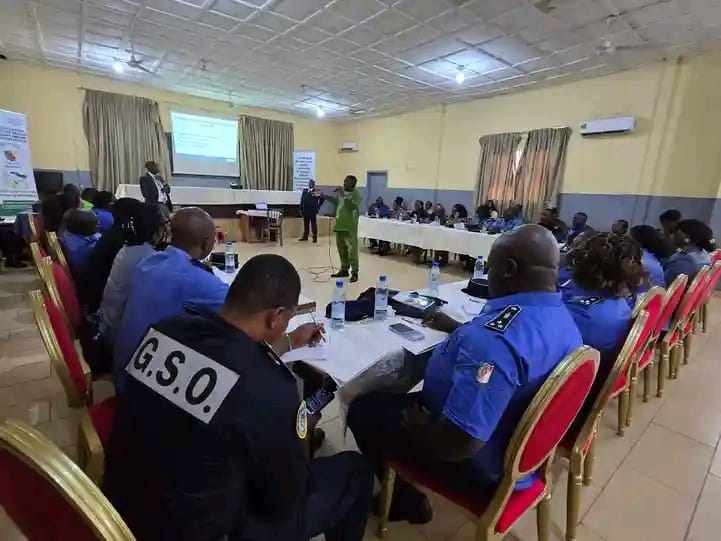
- A capacity-building workshop for police, border agents, and immigration services began on October 13, 2026, in Yaoundé.
- The training, a collaboration between a technical secretariat and UNHCR, focuses on international and national refugee law and asylum procedures.
- Its aim is to balance national security needs with human rights and international protection principles.
- There are plans to integrate refugee protection and rights permanently into police training programs through a "train-the-trainer" model.
Enhancing Refugee Protection in Cameroon
For legal professionals advising asylum seekers or refugees in Cameroon, this development signals a potentially significant shift.
Cameroon is currently home to a substantial population of individuals seeking refuge, with official figures indicating 387,048 refugees and an additional 3,371 asylum seekers residing within its borders. To bolster the protective framework for these vulnerable populations, a significant capacity-building initiative has been launched. This program, a collaborative effort between the Technical Secretariat of Refugee Status Management Bodies and the United Nations High Commissioner for Refugees (HCR), commenced on October 13, 2026.
The workshop is specifically designed for law enforcement personnel, including police officers, border police agents, and immigration service staff. It is being conducted at the prestigious École Nationale Supérieure de Police in Yaoundé, marking a crucial step in the Cameroun police formation droit asile Yaoundé efforts. This strategic location underscores the government's commitment to integrating refugee protection principles directly into the training of its security forces, who are often the first point of contact for those fleeing persecution.
The Scope and Objectives of the Training Initiative
The core objective of this specialized training is to enhance the understanding and application of both international and national refugee law among the participating security personnel. Participants are receiving in-depth instruction on procédures asile Cameroun police, the fundamental rights and corresponding duties of refugees, and the specific protection needs of particularly vulnerable individuals. This comprehensive curriculum aims to equip officers with the knowledge required to navigate complex situations involving displaced persons effectively and humanely.
A key challenge addressed by the training is the delicate balance between national security imperatives and the unwavering commitment to human rights and international protection principles. By strengthening knowledge on droit international réfugiés Cameroun, the initiative seeks to foster an environment where security measures are implemented in a manner that respects the dignity and legal entitlements of refugees. The involvement of HCR Cameroun réfugiés further emphasizes the international standards being integrated into local practices.
Strategic Implications for Law Enforcement and Asylum Procedures
Discussions held with officials at the École Nationale Supérieure de Police have underscored a long-term strategic vision: the establishment of a sustainable "train-the-trainer" program within the National Police. This forward-looking approach aims to permanently embed international protection standards and refugee rights into the ongoing curriculum for all police training, ensuring that the formation policiers droit asile becomes an intrinsic part of law enforcement education. This institutionalization is vital for consistent application across the force.
The ultimate goal of this extensive protection réfugiés Cameroun initiative is to cultivate a more effective, humane, and rights-respecting response from security forces towards individuals compelled to abandon their homes. For legal professionals advising asylum seekers or refugees in Cameroon, this development signals a potentially significant shift. Law enforcement personnel are undergoing specialized training on international and national refugee law and asylum procedures, which may lead to more consistent application of rights and procedures by police, potentially influencing initial interactions and the processing of asylum claims. Practitioners should monitor how this training translates into practice and be prepared to advocate for adherence to these enhanced standards.
Practical Implications
Lawyers advising asylum seekers or refugees in Cameroon should note that law enforcement personnel are undergoing specialized training on international and national refugee law and asylum procedures. This development may lead to more consistent application of rights and procedures by police, potentially influencing initial interactions and the processing of asylum claims. Practitioners should monitor how this training translates into practice and be prepared to advocate for adherence to these enhanced standards.
Source
How does this affect you?
Get an AI analysis of this article grounded in your jurisdictions, practice areas, and any policy documents you've uploaded to Wansom.
Finish Reading the Full Story and the Expert Analysis.
Get the latest legal & regulatory intelligence in Cameroon
Wansom is AI and can make mistakes.