
Minesup Cameroun: Clôture des Universités Privées Illégales, FUNIBER Fermée
Summary
- Cameroon's Ministry of Higher Education (Minesup) has intensified its crackdown on unaccredited private universities, declaring two non-habilitated recently.
- The Fondation Universitaire Ibero-Americaine (FUNIBER) in Yaoundé was ordered closed by Minesup on October 13, 2026, for offering programs without institutional habilitation.
- Minister Pr Jacques Fame Ndongo also annulled a doctoral thesis defended at another non-habilitated institution, emphasizing the state's monopoly on degree conferral.
- Operating without Minesup habilitation means institutions are considered clandestine, and their diplomas are not officially recognized in Cameroon.
- These actions aim to combat widespread 'imposture' in higher education and protect students from obtaining invalid qualifications.
Escalating Crackdown on Unaccredited Institutions
Without this critical Minesup Cameroun habilitation, any educational offerings are deemed illegal, and the resulting qualifications, such as diplômes non reconnus Cameroun, hold no official value.
The Cameroonian Ministry of Higher Education (Minesup) has recently intensified its efforts against unauthorized private higher education institutions, signaling a broader issue of unapproved academic offerings. These actions include the declaration of two private universities as non-habilitated within a short timeframe, alongside the annulment of a doctoral thesis that had been defended at another unapproved entity. These incidents underscore a growing concern regarding the proliferation of what the ministry describes as clandestine establishments infiltrating the higher education sector in Cameroon.
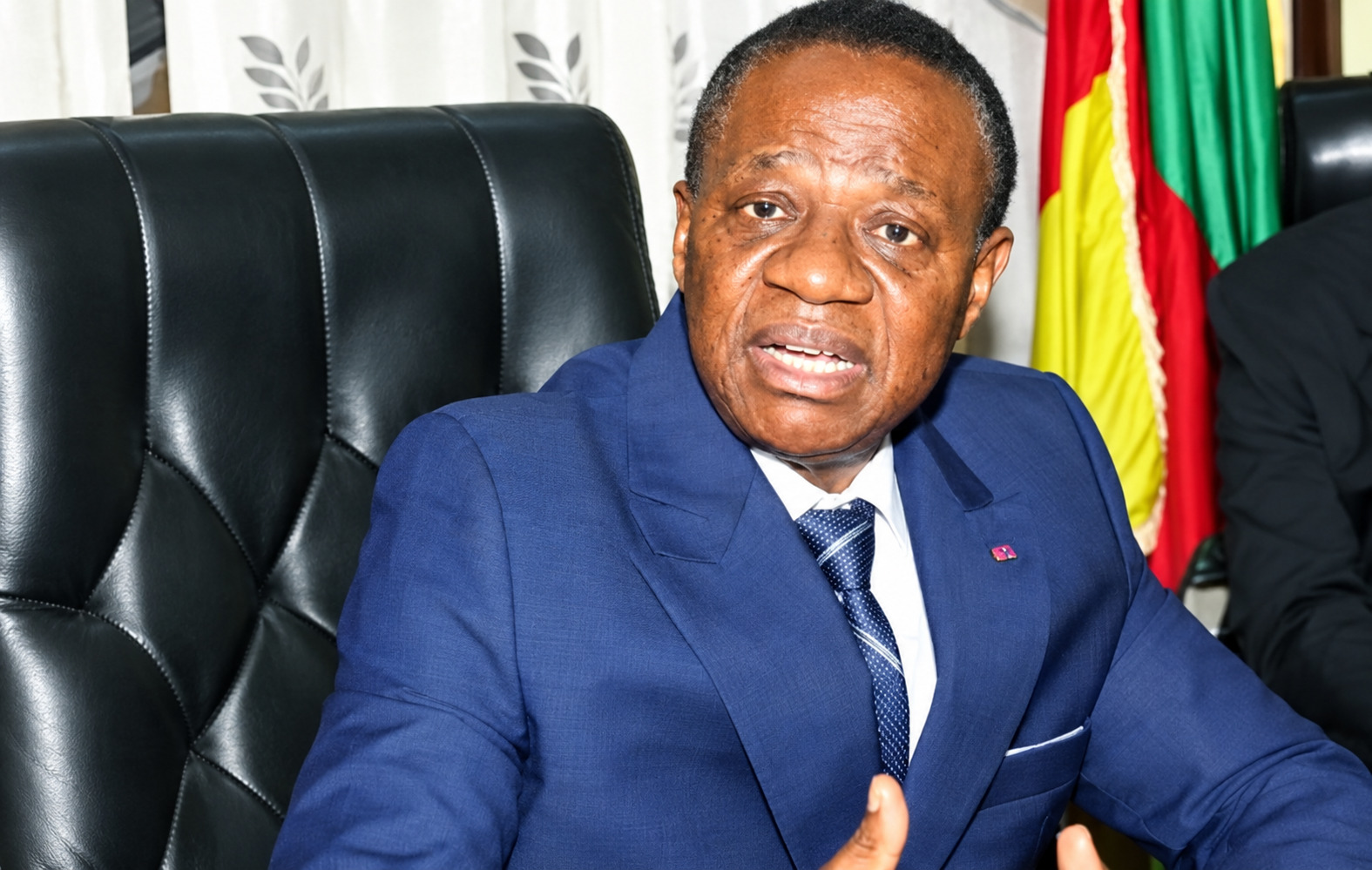
In a significant move, the Minister of State, Minister of Higher Education, Pr Jacques Fame Ndongo, issued a communiqué on October 13, 2026. This official communication informed both national and international audiences that the Fondation Universitaire Ibero-Americaine (FUNIBER), located in Yaoundé, was operating without the necessary institutional habilitation. FUNIBER had been offering programs across Bachelor's, Master's, and Doctoral levels without the requisite governmental approval.
Consequently, in adherence to existing regulations, Minesup declared the immediate closure of FUNIBER, citing its engagement in clandestine training activities. The institution was ordered to cease all operations without delay, under threat of further sanctions. This decisive action by Pr Jacques Fame Ndongo highlights the government's commitment to enforcing regulatory compliance within the higher education landscape, particularly concerning Cameroun Minesup universités privées illégales.
The Regulatory Framework for Higher Education
The recent actions by Minesup are firmly rooted in the established legal framework governing higher education in Cameroon, which grants the State exclusive authority over the conferral of diplomas and academic grades. This state monopoly is a cornerstone of the system, ensuring that all qualifications issued meet national standards and are officially recognized. The concept of 'habilitation' is central to this framework, representing the official authorization granted by Minesup for an institution to operate and offer specific academic programs.
Without this critical Minesup Cameroun habilitation, any educational offerings are deemed illegal, and the resulting qualifications, such as diplômes non reconnus Cameroun, hold no official value. This regulatory power was explicitly invoked when Pr Jacques Fame Ndongo announced the closure of the Fondation Universitaire Ibero-Americaine, emphasizing that its operations were in direct violation of the prevailing laws. The ministry's consistent communication on these matters serves as a clear reminder to all stakeholders about the stringent requirements for operating within the higher education sector.
Furthermore, the Minister of State's authority extends to rectifying past irregularities. This was demonstrated by the annulment of a doctoral thesis, which had been defended at an institution not habilitated to provide such training in Cameroon. This decision, communicated via an earlier communiqué dated October 6, underscores the retrospective power of the ministry to invalidate academic achievements obtained through non-compliant channels, reinforcing the importance of institutional accreditation.
Consequences of Unapproved Institutions
The prevalence of établissements clandestins enseignement Cameroun poses significant risks to the integrity of the national education system and to the students who enroll in them. The recent incidents, including the Fondation Universitaire Ibero-Americaine fermeture and the annulment of a doctoral thesis, serve as stark warnings about the dangers of engaging with unaccredited providers. Students investing time and resources in programs offered by institutions lacking Minesup habilitation ultimately receive diplômes non reconnus Cameroun, rendering their qualifications worthless in the official job market and for further academic pursuits.
This situation, characterized by what the ministry terms 'imposture,' not only defrauds individuals but also undermines the credibility of legitimate educational institutions. The annulment of a thèse doctorat annulée Cameroun, specifically, highlights the severe personal and professional repercussions for individuals who unknowingly or knowingly pursue studies at non-compliant entities. Such actions by the ministry are not merely punitive but are aimed at safeguarding the quality and legitimacy of higher education credentials across the country.
The ongoing alerts and decisions from the Ministry of Higher Education, under Pr Jacques Fame Ndongo enseignement supérieur, indicate a sustained effort to cleanse the sector of these unauthorized operations. The objective is to ensure that all educational offerings meet the required standards, thereby protecting students from fraudulent practices and upholding the value of Cameroonian higher education degrees. For institutions, strict adherence to Minesup habilitation requirements is paramount to avoid closure and sanctions.
Practical Implications
Lawyers and compliance officers advising private higher education institutions in Cameroon must ensure strict adherence to Minesup habilitation requirements to avoid closure, sanctions, and non-recognition of degrees. Students and employers should verify the legal standing of institutions before enrollment or hiring to mitigate risks associated with unaccredited qualifications.
Source
How does this affect you?
Get an AI analysis of this article grounded in your jurisdictions, practice areas, and any policy documents you've uploaded to Wansom.
Finish Reading the Full Story and the Expert Analysis.
Get the latest legal & regulatory intelligence in Cameroon
Wansom is AI and can make mistakes.