
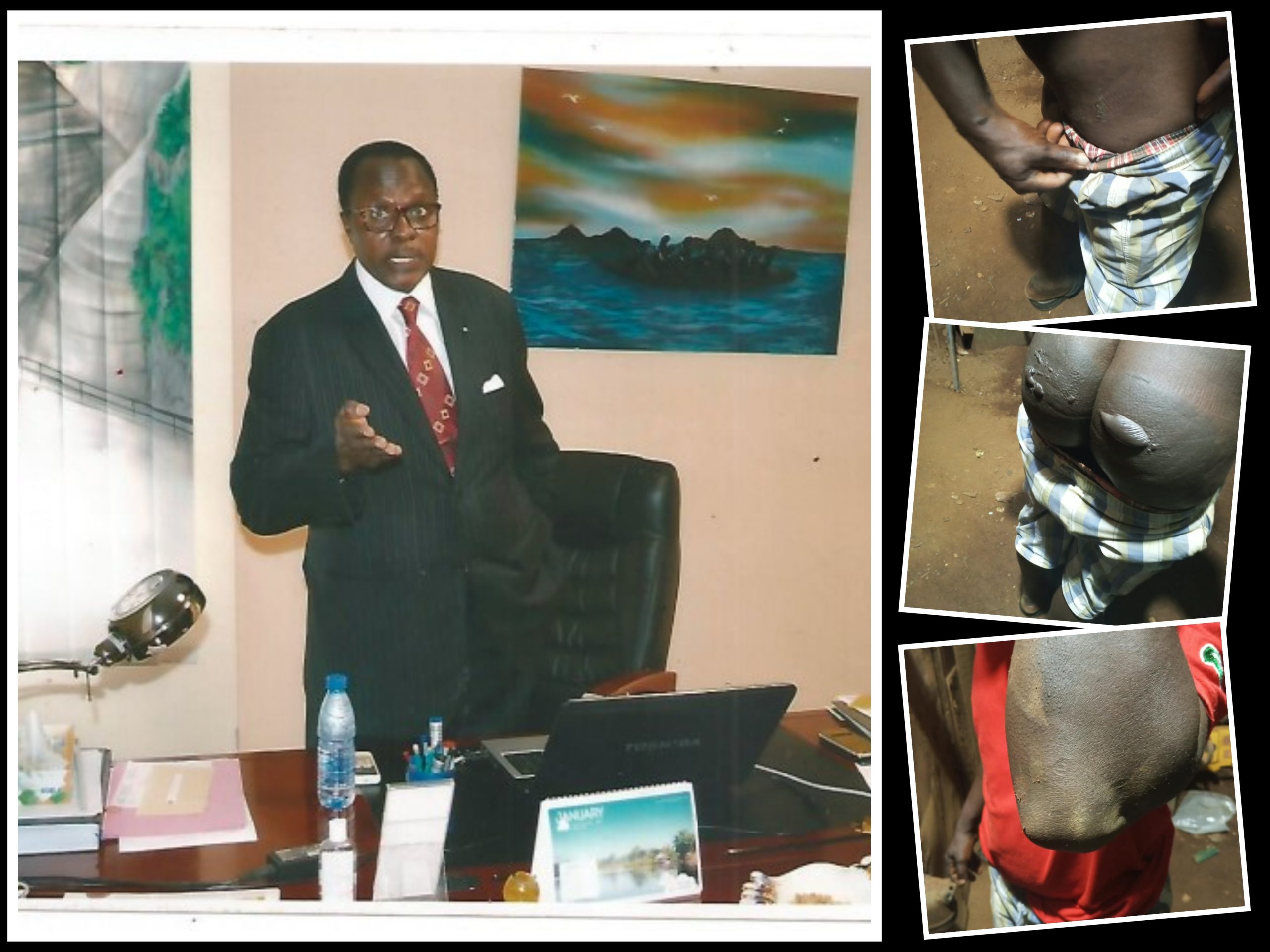
Cameroon: Mediator Denounces Police Torture, Arbitrary Detention
Shanda Tonme, President of the Independent Commission Against Corruption and Discrimination (COMICODI) and the Popular Movement for Dialogue and Reconciliation (MPDR), formally denounced alleged acts of arbitrary detention, torture, cruelty, humiliation, and extortion by police officers from the Akak police station in Yaoundé, Cameroon, against citizen Garikohappolinus Andon in a letter dated November 3, 2026, addressed to the Delegate General for National Security.
The denunciation details that Garikohappolinus Andon, a young mechanic originally from the North-West region and residing in Akak, Yaoundé, was reportedly arrested on October 29, 2026. During his detention, he was allegedly subjected to severe beating, torture, and unlawful deprivation of liberty without any stated motive. The excerpt further indicates that these acts were accompanied by accusations of him being an "Ambazonian," a term often used in the context of the Anglophone crisis in Cameroon. Shanda Tonme, having received the family's complaint on November 3, 2026, forwarded the denunciation to the highest police authority, requesting an urgent investigation into what he described as "grave crimes" and citing "insoutenable images" as evidence. The outcome of this denunciation and the requested investigation is not yet reported in the excerpt.
This incident, if the allegations are substantiated, carries significant legal implications for Cameroon, highlighting serious concerns regarding police accountability, human rights violations, and adherence to due process. It underscores the critical role of civil society organizations in bringing alleged abuses to light and advocating for citizens' rights, particularly in a context where accusations related to the Anglophone crisis can lead to severe and often extra-legal consequences. For legal practitioners, it signals potential avenues for both criminal prosecution of the alleged perpetrators and civil litigation against the state for damages arising from police misconduct. It also raises questions about the effectiveness of internal oversight mechanisms within the national police force.
Cameroon's legal framework, which blends civil and common law traditions, strictly prohibits torture, arbitrary detention, and cruel, inhuman, or degrading treatment, as enshrined in its Constitution and various international human rights instruments ratified by the state, including the African Charter on Human and Peoples' Rights and the UN Convention Against Torture. The Penal Code criminalizes acts of torture, assault, and unlawful detention. The police, operating under the authority of the Delegate General for National Security (DGSN), are bound by strict procedural rules governing arrest, detention, and interrogation. The mention of "Ambazonian" accusations places this case within the sensitive political and security context of the North-West and South-West regions, where such allegations can often lead to a disregard for standard legal procedures and heightened risks for individuals.
Attorneys in Cameroon should closely monitor the response of the Delegate General for National Security to this formal denunciation and any subsequent investigations or disciplinary actions that may ensue. This case serves as a stark reminder of the persistent challenges in ensuring police accountability and protecting human rights. Practitioners representing victims of alleged police misconduct must meticulously document all available evidence, including medical reports, witness testimonies, and any visual evidence, to build a robust case for both criminal complaints and civil remedies. Furthermore, they should be acutely aware of the heightened risks and legal complexities associated with cases involving politically charged accusations like "Ambazonian" affiliation, which often necessitate a comprehensive understanding of both domestic law and international human rights standards. Businesses operating in Cameroon should also consider the broader implications of such incidents on the rule of law and human rights, which can impact their operational environment and reputational standing.
How does this affect you?
Get an AI analysis of this article grounded in your jurisdictions, practice areas, and any policy documents you've uploaded to Wansom.
Wansom is AI and can make mistakes.