
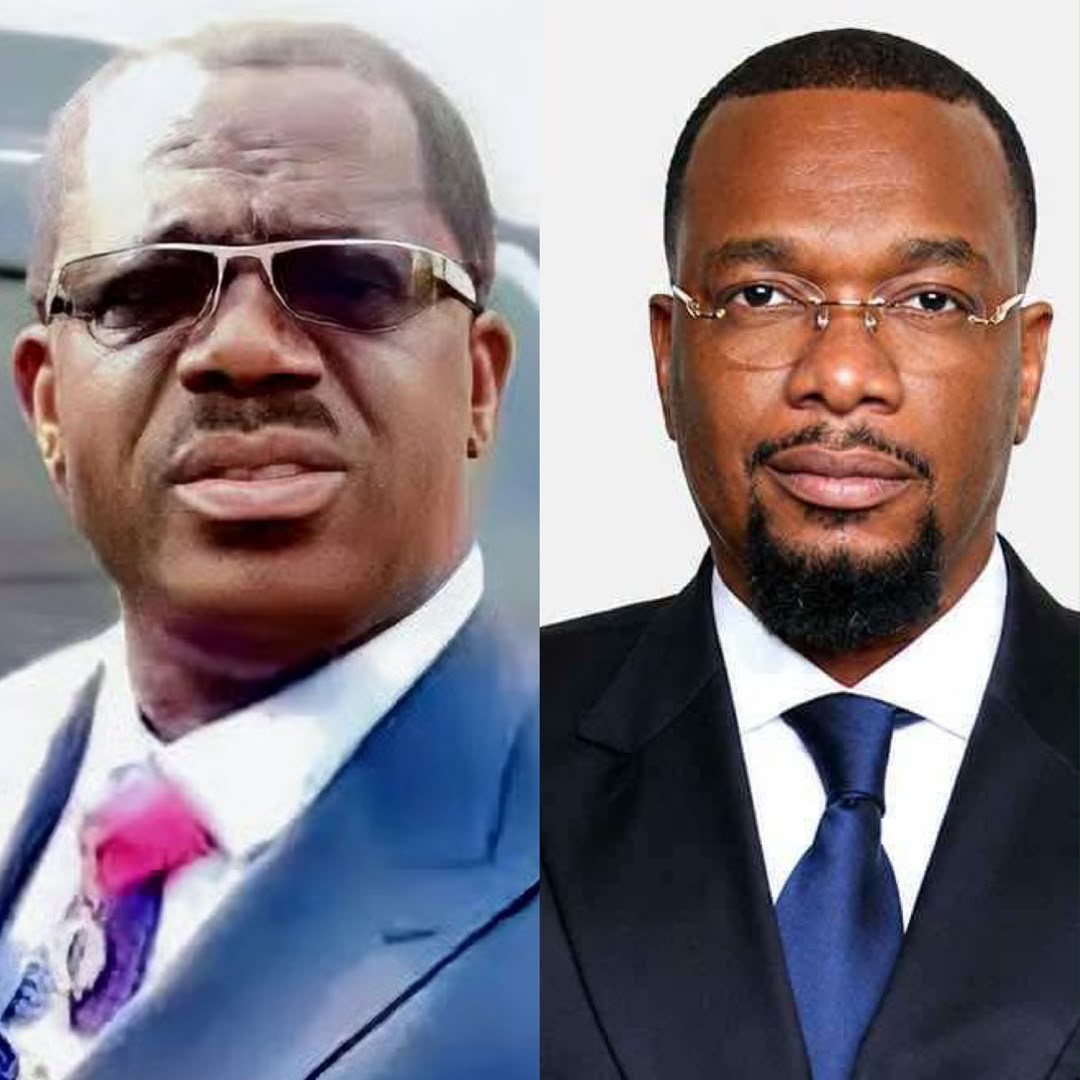
Sani Mouhamadou: Files Right of Reply in Eko Eko DGRE Cameroun Dispute
Summary
- Sani Mouhamadou, through his lawyer Me Mélissa Nyoth, issued a formal "droit de réponse" to a communiqué from Maxime Eko Eko's legal team.
- Eko Eko's lawyers had claimed Sani Mouhamadou cited the Direction Générale de la Recherche Extérieure (DGRE) as soliciting his services in 2020.
- Sani Mouhamadou denies ever mentioning Maxime Eko Eko by name in his initial August 5, 2026, press statement.
- Eko Eko's legal team asserted that Sani Mouhamadou had sought an audience with Eko Eko, proposed services, and was subsequently rejected by the DGRE due to a lack of justified competencies.
- Sani Mouhamadou stated his original communiqué aimed to re-establish factual truth and protect his public image.
What Happened
Sani Mouhamadou, through his legal counsel, firmly stated that his initial communiqué, dated August 5, 2026, never once mentioned Maxime Eko Eko by name.
The public dispute surrounding Sani Mouhamadou and Maxime Eko Eko has escalated with a formal "droit de réponse" issued by Sani Mouhamadou's legal representative, Me Mélissa Nyoth. This legal response directly addresses a press communiqué dated August 9, 2026, which was circulated on social media by the legal team representing M. EKO EKO Léopold Maxime. The communiqué from Eko Eko's lawyers asserted they were reacting to an earlier statement from Sani Mouhamadou, dated August 5, 2026. In that prior document, Sani Mouhamadou was alleged to have named the Direction Générale de la Recherche Extérieure (DGRE) among various Cameroonian state institutions that purportedly engaged his "services" and "network" during the year 2020. This exchange highlights a growing contentieux DGRE Cameroun, drawing public attention to the interactions between private individuals and state security apparatus.
The Allegations and Denials
In their August 9, 2026, communiqué, Maxime Eko Eko's lawyers vehemently denied Sani Mouhamadou's alleged claims regarding the DGRE. They countered that it was Sani Mouhamadou who had actively sought and obtained an audience with Eko Eko, during which he proposed his services. Furthermore, Eko Eko's legal representatives asserted that Sani Mouhamadou was unable to provide adequate justification for his competencies or present official titles to support his offers. Consequently, they stated that the DGRE rejected the technical proposals made by Sani Mouhamadou and subsequently terminated all contact. Their communiqué also explicitly declared that Sani Mouhamadou could not legitimately claim either an initial request for information or any form of contractual relationship with the institution.
Sani Mouhamadou, through his "droit de réponse Sani Mouhamadou," expressed profound consternation upon learning of these allegations. Sani Mouhamadou, through his legal counsel, firmly stated that his initial communiqué, dated August 5, 2026, never once mentioned Maxime Eko Eko by name. The core of Sani Mouhamadou's defense rests on his assertion that his initial public statement was solely intended to clarify facts and protect his reputation from harm, following what he perceived as attacks on his public image. This direct denial forms a critical point in the ongoing Affaire Sani Mouhamadou Eko Eko.
Legal and Reputational Stakes
The issuance of a "droit de réponse" by Me Mélissa Nyoth on behalf of Sani Mouhamadou underscores the formal legal avenues available for individuals to counter public accusations, particularly when their professional image is at stake. This mechanism allows for a direct rebuttal to claims made in public forums, such as social media, and is crucial in managing the reputational risks associated with high-profile disputes. The ongoing public exchange, involving a prominent individual like Sani Mouhamadou and a state institution like the Direction Générale de la Recherche Extérieure Cameroun, carries significant implications beyond the immediate parties. Such contentions can impact public perception of both the individuals involved and the integrity of governmental bodies. The case highlights the delicate balance between freedom of expression and the need to protect individual and institutional reputations, making careful drafting of public statements paramount.
Practical Implications
This case highlights the legal and reputational risks associated with public disputes involving individuals, private services, and state institutions in Cameroon. Lawyers should advise clients on the careful drafting of public statements and responses (like a 'droit de réponse') to manage potential defamation claims, protect reputation, and avoid further legal exposure, especially when engaging with government bodies.
Source
How does this affect you?
Get an AI analysis of this article grounded in your jurisdictions, practice areas, and any policy documents you've uploaded to Wansom.
Wansom is AI and can make mistakes.