
Cameroon: Sundance Piccini Sonara Arbitration Losses Total 446 Billion FCFA
Summary
- Cameroon incurred 446 billion FCFA in international judgments from three separate cases within a three-month period.
- The Sundance Resources case resulted in a 353 billion FCFA award against Cameroon for litigious management of an iron project.
- ICSID ordered Cameroon to pay 51 billion FCFA to Gruppo Officine Piccini due to illegal expropriation at the Olembé stadium site.
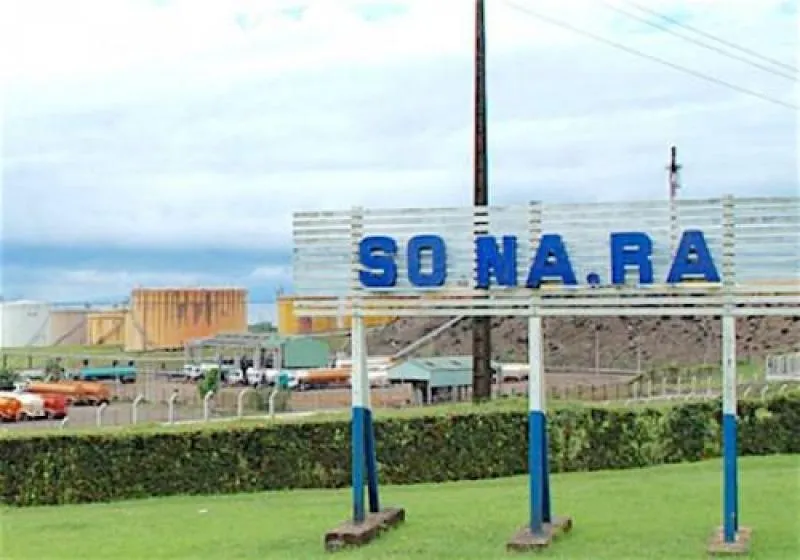
- Sonara lost its final UK appeal against Sahara Energy, owing 42.8 billion FCFA for unpaid crude oil cargoes delivered between 2013 and 2016.
- Political and civil society leaders have described these significant financial losses as indicative of a deep governance crisis within the nation.
Significant International Judgments Against Cameroon
These significant financial losses, totaling 446 billion FCFA, have been characterized by political and civil society leaders as symptomatic of a profound governance crisis within the nation.
The state of Cameroon has recently faced a series of substantial financial setbacks, incurring international judgments totaling 446 billion FCFA, equivalent to approximately 700 million euros, within a mere three-month period. These three distinct rulings against the nation have drawn sharp criticism from political figures and civil society organizations, who collectively point to the outcomes as evidence of a profound crisis in governance.
The first of these significant Cameroon Sundance Piccini Sonara arbitration losses occurred in July 2026, when an international tribunal ordered Cameroon to pay 353 billion FCFA to the Australian mining firm, Sundance Resources. This substantial award stemmed from what was described as the litigious management of the Mbalam-Nabeba iron project, situated near Cameroon's border with Congo. This particular Sundance Resources Cameroon dispute highlights the complexities and financial risks associated with large-scale resource development projects involving state entities.
Another major ruling followed in early September 2026, with the International Centre for Settlement of Investment Disputes (ICSID) condemning Yaoundé to pay 51 billion FCFA, or 78.5 million euros, to the Italian company Gruppo Officine Piccini. This Piccini CIRDI Cameroon expropriation case centered on the illegal expropriation of the Olembé stadium construction site, a contract that the Cameroonian state had unilaterally terminated in 2019. The third and final judgment in this series of Cameroon 446 billion FCFA judgments was finalized in September 2026, involving the national oil refinery, Sonara. In this instance, Sonara lost its final appeal in the United Kingdom against the Nigerian firm Sahara Energy, resulting in a payment order of 42.8 billion FCFA, or 75 million dollars. This Sonara Sahara Energy UK judgment was issued due to the non-payment for crude oil cargoes purchased between 2013 and 2016, which had been delivered and consumed but never fully settled.
Legal and Financial Implications
These international arbitration losses underscore the significant financial exposure faced by the Cameroonian state when engaging in complex commercial and investment agreements. The cases span various sectors, from mining and infrastructure development to oil supply, demonstrating a broad spectrum of potential liabilities. The involvement of bodies like the ICSID in the Piccini case highlights the recourse available to foreign investors under international investment treaties, which often provide robust protections against state actions such as expropriation.
The nature of the claims—ranging from litigious project management and illegal expropriation to straightforward non-payment for goods received—illustrates different facets of state liability in international commerce. The Sundance Resources Cameroon dispute, while not explicitly detailing the forum, points to a likely international arbitration process given the substantial award and the nature of the parties involved. Similarly, the Sonara Sahara Energy UK judgment, decided in a UK court, emphasizes the enforceability of commercial contracts across jurisdictions and the consequences of failing to honor payment obligations. These outcomes collectively contribute to a growing body of ICSID Cameroon disputes and other international judgments that define Cameroon state international liability.
Broader Governance Concerns
The cumulative impact of these 446 billion FCFA judgments extends beyond mere financial cost, raising serious questions about governance and the management of public contracts within Cameroon. Political and civil society leaders have vocally expressed their concerns, characterizing these substantial losses as a symptom of deeper systemic issues. The scale of the financial burden, equivalent to a significant portion of the national budget, could divert crucial funds from essential public services such as education and healthcare.
These repeated arbitration losses could also have long-term repercussions for Cameroon's international reputation and its attractiveness to foreign investors. A history of unfavorable judgments, particularly those related to expropriation or contract breaches, can deter future investment, as it signals increased risk and potential for protracted legal battles. The consistent pattern of these Cameroon Sundance Piccini Sonara arbitration losses serves as a stark reminder of the critical importance of meticulous contract drafting, transparent project management, and adherence to international legal standards in all state-backed ventures.
Practical Implications
This article highlights significant financial and reputational risks for the Cameroonian state due to international arbitration judgments. Lawyers advising foreign investors in Cameroon should note the precedents set by these cases regarding state liability for contract breaches, expropriation, and non-payment, emphasizing the critical need for robust dispute resolution clauses and thorough due diligence on state counterparties.
Source
How does this affect you?
Get an AI analysis of this article grounded in your jurisdictions, practice areas, and any policy documents you've uploaded to Wansom.
Finish Reading the Full Story and the Expert Analysis.
Get the latest legal & regulatory intelligence in Cameroon
Wansom is AI and can make mistakes.