
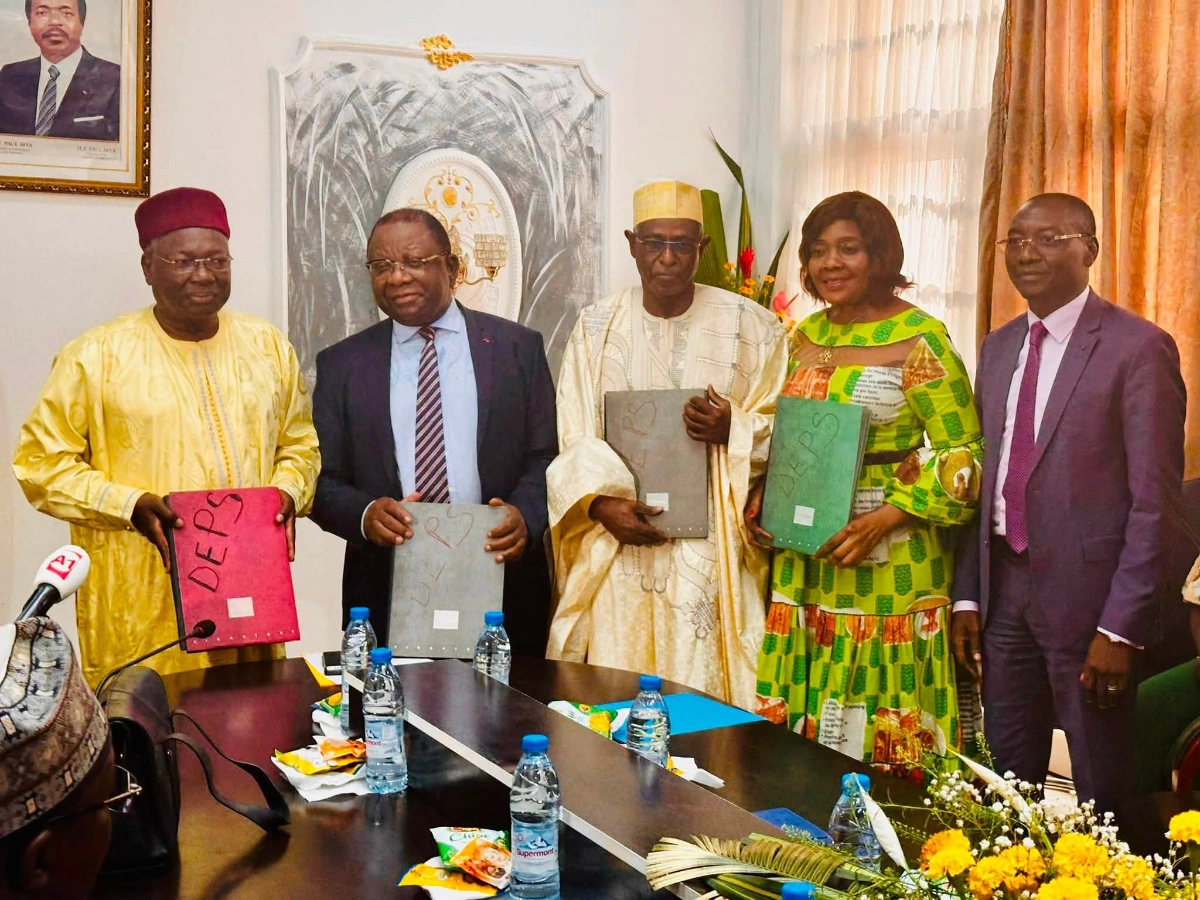
Cameroon Government Supports Import-Substitution Plan with FCFA 400 Million
Summary
- The Cameroonian government has signed a collaboration agreement with BC-PME to support the implementation of the PIISAH plan.
- The agreement is worth FCFA 400 million and aims to strengthen local businesses and improve commercialization of domestic productions.
- The partnership targets specific sectors such as rice, maize, flour, palm oil, and milk production.
- The agreement aligns with the objectives of the National Development Strategy 2020-2030 (SND30) and the government's policy to enhance food sovereignty.
Government Supports Import-Substitution Plan with FCFA 400 Million
The agreement is part of the government's efforts to reduce the country's dependence on imports and promote the competitiveness of local enterprises.
The Cameroonian government has signed a collaboration agreement with the Banque Camerounaise des Petites et Moyennes Entreprises (BC-PME) to support the implementation of the Integrated Import-Substitution Agropastoral and Halieutique (PIISAH) plan in the commerce sector. The agreement, worth FCFA 400 million, aims to strengthen the capabilities of local businesses and improve the commercialization of domestic productions. The partnership targets specific sectors such as rice, maize, flour, palm oil, and milk production.
The agreement is part of the government's efforts to reduce the country's dependence on imports and promote the competitiveness of local enterprises. It also aligns with the objectives of the National Development Strategy 2020-2030 (SND30) and the government's policy to enhance food sovereignty and structural transformation of the Cameroonian economy.
Relevant Legal/Regulatory Context
The agreement is a significant development in the implementation of the PIISAH plan, which aims to reduce the country's reliance on imports. The government's support for local businesses through funding and technical assistance is expected to have far-reaching implications for the economy. Lawyers advising clients on the import-substitution plan may need to consider the potential benefits of accessing funding for local production and transformation.
The agreement also highlights the importance of collaboration between government agencies and private sector institutions in promoting economic development. The partnership between the Ministry of Commerce and BC-PME is a key example of this collaboration, which is expected to yield positive results for the Cameroonian economy.
Why It Matters
The implementation of the PIISAH plan has significant implications for the Cameroonian economy. By reducing dependence on imports and promoting local production, the government aims to enhance food sovereignty and structural transformation of the economy. The agreement with BC-PME is a crucial step in achieving these objectives, and its success will depend on effective collaboration between government agencies and private sector institutions.
The development also highlights the importance of access to funding for local businesses, which is essential for their growth and competitiveness. Lawyers advising clients on the import-substitution plan must consider the potential benefits of accessing funding for local production and transformation.
Practical Implications
This development may require lawyers to advise clients on the implications of the import-substitution plan and the potential benefits of accessing funding for local production and transformation.
Source
How does this affect you?
Get an AI analysis of this article grounded in your jurisdictions, practice areas, and any policy documents you've uploaded to Wansom.
Wansom is AI and can make mistakes.