
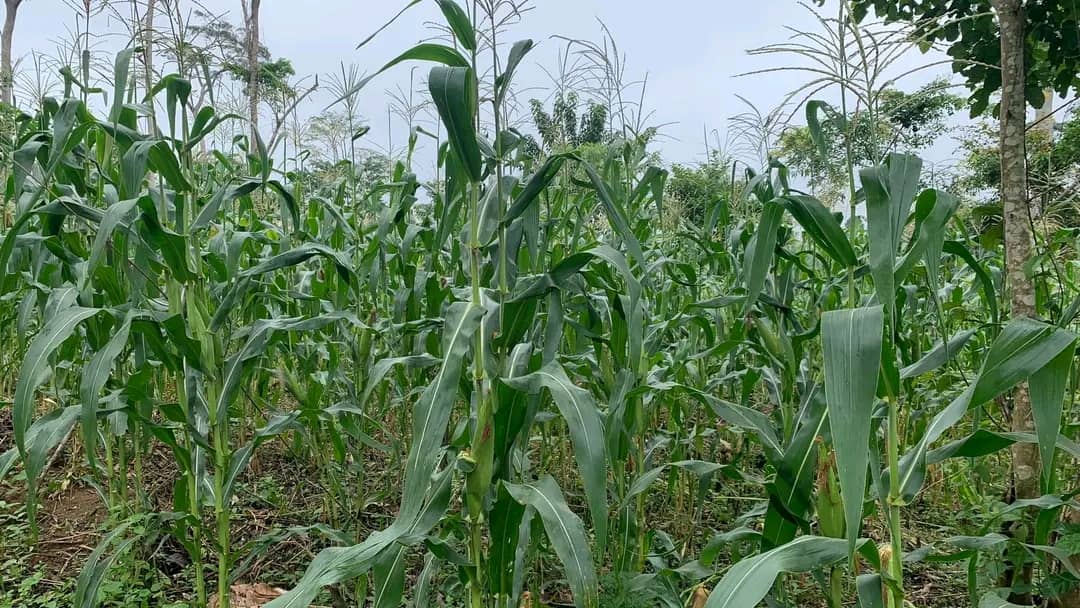
Cameroon: Food Import Reduction Policies Cut Bill 17% in Q1 2026
Summary
- Cameroon's food imports decreased by 17% in Q1 2026, resulting in 11 billion FCFA in savings.
- The reduction primarily affected rice and maize imports, signaling progress towards food sovereignty.
- Government policies include agricultural input subsidies, producer support, hydro-agricultural developments, and tax incentives for food processors.
- The objective is to boost local food production to feed citizens and retain foreign currency within the country.
- If the Q1 2026 trend continues, Cameroon could save over 40 billion FCFA annually, which could be reinvested in agricultural infrastructure, storage, and processing.
Cameroon's Initial Success in Food Import Reduction
The overarching objective of these policies is unequivocally clear: to significantly increase domestic food production, thereby ensuring food security for Cameroonians and simultaneously retaining valuable foreign currency within the national economy.
Cameroon has achieved a notable reduction in its food import bill, marking a significant step in its broader Cameroon food import reduction policies. This positive development reflects a strategic shift towards greater self-reliance in food production.
In the first quarter of 2026 alone, the nation's food imports decreased by 17% compared to the previous year. This translated into a saving of 11 billion FCFA, as the total value of imported food products fell from 65 billion FCFA to 54 billion FCFA. This positive shift was predominantly driven by a decrease in the importation of staple goods such as rice and maize, directly impacting Cameroon rice maize imports in Q1 2026, reflecting a concerted effort by public authorities to bolster domestic agricultural output. This initial success is widely regarded as a crucial positive signal for the country's aspirations toward food sovereignty.
Policy Drivers: Government's Strategic Push for Local Production
The significant reduction in Cameroon's dependence on foreign food supplies at the beginning of the year is a direct outcome of the government's comprehensive Cameroon food sovereignty strategy. This strategy is underpinned by a series of targeted interventions designed to invigorate local agricultural sectors.
Key among these measures are substantial Cameroon agricultural subsidies provided for essential inputs, alongside robust support and supervision programs aimed at empowering local producers. Furthermore, the government has invested in critical hydro-agricultural developments to enhance farming capabilities and introduced specific Cameroon food processors tax incentives to encourage local value addition and transformation of raw agricultural products. The overarching objective of these policies is unequivocally clear: to significantly increase domestic food production, thereby ensuring food security for Cameroonians and simultaneously retaining valuable foreign currency within the national economy.
Economic Outlook: Projecting Savings and Reinvestment
Should the positive trend observed in the first quarter of 2026 continue throughout the year, Cameroon stands to realize an impressive annual saving exceeding 40 billion FCFA on its food import bill. This substantial Cameroon import bill reduction would free up considerable financial resources.
These projected savings are earmarked for strategic reinvestment back into the agricultural sector, focusing on critical areas such as enhancing agricultural infrastructure, expanding storage capacities for harvested crops, and further developing local processing capabilities. The National Institute of Statistics (INS) views this downturn in imports as a pivotal moment, underscoring that the government's policies promoting local agriculture are indeed beginning to yield tangible results and exert a measurable influence on the nation's import landscape. This marks a turning point in the country's economic and agricultural trajectory.
Practical Implications
Lawyers should assess the implications of Cameroon's new agricultural policies, including subsidies and tax incentives, for clients involved in food imports, local production, and processing, to ensure compliance and leverage growth opportunities.
Source
How does this affect you?
Get an AI analysis of this article grounded in your jurisdictions, practice areas, and any policy documents you've uploaded to Wansom.
Wansom is AI and can make mistakes.