
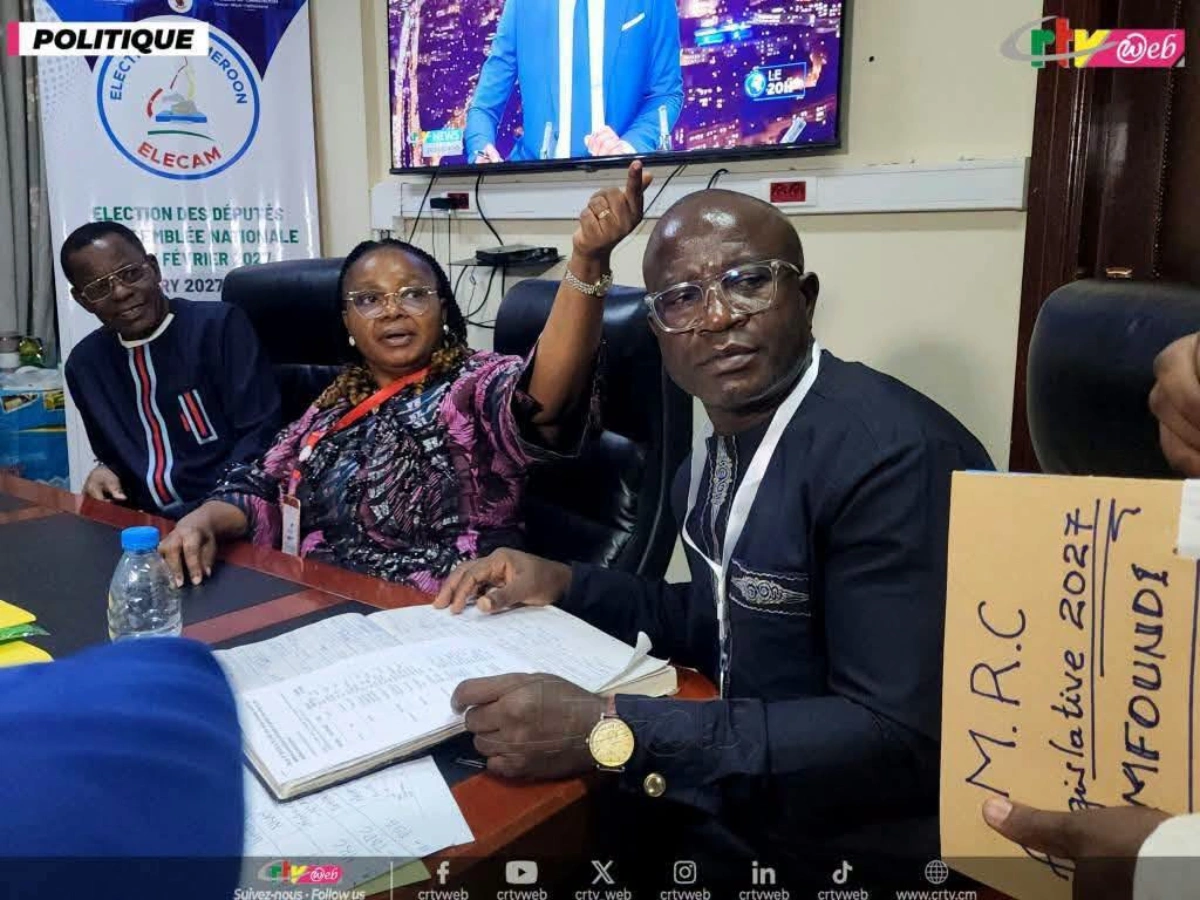
Cameroon: 27 Political Parties File for 2027 Legislative, Municipal Elections
In Cameroon, 27 political parties submitted their candidacies for the legislative and municipal elections scheduled for February 7, 2027, as confirmed by Elections Cameroon (ELECAM) following the November 24, 2026 deadline for submissions.
This development marks a critical juncture in Cameroon's electoral cycle, initiating the formal process for the upcoming legislative and local government elections. For legal practitioners, it signifies the activation of the country's electoral laws and regulations, which govern everything from candidate eligibility and party registration to the subsequent review and validation of applications. The participation of a substantial number of parties, including prominent political figures like Maurice Kamto and Tiriane Nadège Noah, indicates a potentially competitive electoral landscape, which often leads to increased scrutiny and potential legal challenges regarding candidate lists or electoral procedures. The integrity of this initial phase is crucial for the perceived fairness and legitimacy of the entire electoral process.
The legal framework governing this process is primarily Cameroon's Electoral Code, which meticulously outlines the deadlines, roles, and responsibilities of various electoral bodies. Elections Cameroon (ELECAM), through its communal and departmental agencies, is responsible for receiving applications, while the Director General of Elections is tasked with compiling these submissions. Subsequently, the Electoral Council will undertake the critical review and processing of all candidacies, ensuring compliance with legal requirements. This multi-tiered structure is designed to uphold the rule of law in electoral matters and provide avenues for addressing any irregularities or disputes that may arise during the validation phase.
Key parties involved include Elections Cameroon (ELECAM) as the primary electoral body, the 27 political parties that submitted candidacies (such as FDC, RDPC, PCA, UNDP, SDF, and MRC), and individual candidates like Maurice Kamto, Samuel Hiram Iyodi, Nourane Foster, and Tiriane Nadège Noah. The Electoral Council will play a pivotal role in the coming days as it reviews and processes the submitted applications. The outcome of the candidate validation process is not yet reported, and it will be a crucial determinant of the final electoral landscape.
Practitioner takeaway: Attorneys specializing in electoral law, constitutional law, or administrative law should closely monitor the Electoral Council's review process, as this stage is often a flashpoint for legal challenges concerning candidate eligibility or party compliance. Businesses and investors operating in Cameroon should also pay close attention to these political developments, as the composition of the future legislature and local councils will influence policy-making, regulatory environments, and overall political stability. Ensuring strict adherence to the Electoral Code is paramount for all political actors to avoid disqualification or post-election litigation.
How does this affect you?
Get an AI analysis of this article grounded in your jurisdictions, practice areas, and any policy documents you've uploaded to Wansom.
Finish Reading the Full Story and the Expert Analysis.
Get the latest legal & regulatory intelligence in Cameroon
Wansom is AI and can make mistakes.