
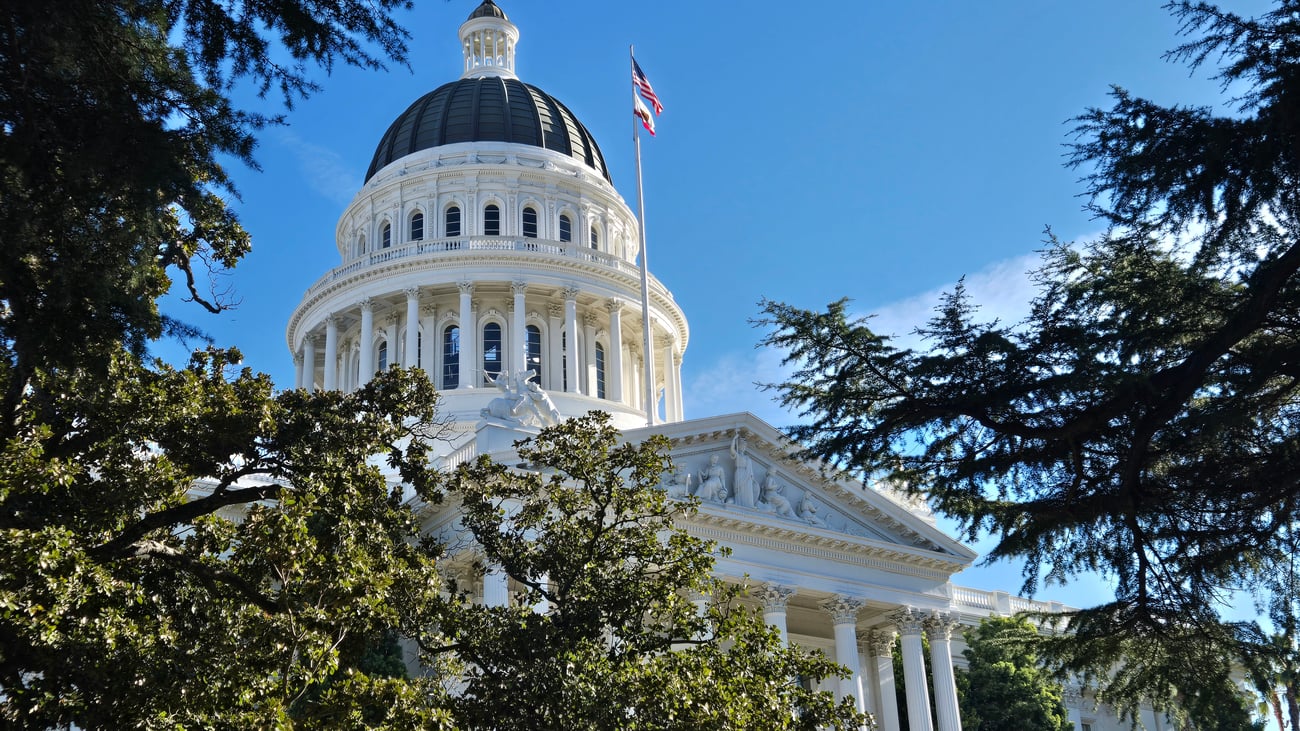
California Lawmakers: Bills Miss Key Legislative Deadline
Fiscal bills had to pass their respective Appropriations committees this week to stay alive. The California State Capitol. (Alan Riquelmy/Courthouse News) SACRAMENTO, Calif. (CN) — A California Republican lawmaker quipped that if a bill sat on the suspense file, there was no suspense. It was dead. State Senator Roger Niello, a Fair Oaks Republican, called the suspense file in each legislative chamber’s Appropriations Committee “the killing field.” On Thursday, Niello saw some of his legislation get held on suspense. The bills, with a fiscal impact, failed to pass those key committees. Missing this week’s deadline, they have no chance of reaching the Assembly floor or the governor’s desk. Many other bills however, passed their respective Appropriation Committee hearings, escaping the killing field. Their next step is a floor vote in either the state Senate or Assembly. Those bills must pass floor votes by Aug. 31, the last day the Legislature can meet this year. Law enforcement and immigration bills A high-profile bill by state Senator Scott Wiener, a San Francisco Democrat, passed the Assembly Appropriations Committee. It’s an update to the No Secret Police Act, which a federal judge in February blocked, because it didn’t apply equally to all law enforcement. Senate Bill 1004 would add state law enforcement to the list of agencies prohibited from wearing masks. Wiener in a statement said eight of his bills passed the Assembly committee. “Our ambitious package of bills will put money back in Californians’ pockets and give them new tools to hold ICE and other federal officials accountable for violating their rights,” Wiener said. “I look forward to working to pass these bills through the Senate.” A handful of other bills related to law enforcement and immigration also passed Thursday. Assembly Bill 2624 would expand the state’s Safe at Home program to include immigration support services providers, employees and others. Initially created to let domestic violence victims have a confidential address in public records, the program has expanded over the years. Some opponents have dubbed it the “Stop Nick Shirley Act,” after the citizen journalist who gained fame for exposing purported fraud. Assemblymember Carl DeMaio, a San Diego Republican, has said the bill would hamper reporting, as immigrant groups could demand the removal of video recordings. The bill, by Assemblymember Mia Bonta, an Oakland Democrat, would require the enrolling authority to certify program participants, who could remain in the program for four years unless recertified. Other bills affecting law enforcement include Senate Bill 1105 , by Pasadena Democratic state Senator Sasha Renée Pérez. It would prohibit state authorities from entering agreements with other agencies if their assistance would require racial or identity profiling. Assembly Bill 1537 , by Los Angeles Democratic Assemblymember Isaac Bryan, would forbid certain police officers from taking a second job that involves federal immigration enforcement. The Defending Immigrant Victims Act — Assembly Bill 1994 , written by San Diego Democratic Assemblymember David Alvarez — also passed. It would require authorities to provide crime victims information about federal immigration relief. Education and other bills Assemblymember Alex Lee, a Milpitas Democrat, had his closely watched legislation about telework pass. Assembly Bill 1729 would require state agencies to justify in writing why employees must appear at work in person. It also would require the state to create a dashboard that shows the monetary benefits of having state telework programs. Senate Appropriations also passed Assembly Bill 1709 , which would prohibit social media platforms that use addictive feeds from allowing children under 16 to have accounts. The bill, by Long Beach Democratic Assemblymember Josh Lowenthal, also would create an e-Safety Advisory Commission under the auspices of the state attorney general. Senate Bill 60
How does this affect you?
Get an AI analysis of this article grounded in your jurisdictions, practice areas, and any policy documents you've uploaded to Wansom.
Wansom is AI and can make mistakes.