
US Supreme Court Clerkship Culture Influences Usha Vance's Politics
Summary
- Usha Vance's clerkship experience at the US Supreme Court has been a topic of discussion among her Yale Law School classmates.
- The clerkship culture at Yale Law School and other top law schools may influence future judicial decisions.
- Many lawyers and compliance officers should be aware of the potential impact of clerkship experiences on judicial decisions.
- The US Supreme Court's clerkship program is highly competitive, with only a small percentage of applicants securing positions each year.
What Happened
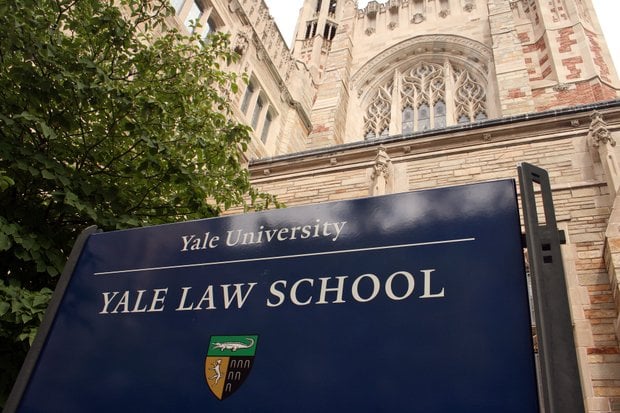
The clerkship culture at Yale Law School has been shaped by its legacy as a feeder school for the US Supreme Court. Many students aspire to secure these highly coveted positions, and the competition is fierce.
Usha Vance, who became the Second Lady of the United States in January 2025, had her clerkship experience at the US Supreme Court become a topic of discussion among her Yale Law School classmates. According to sources, they often gossip about her on Signal, but what they don't share in these group chats is the impact of the clerkship culture on her politics. This phenomenon is not unique to Vance; many lawyers and compliance officers should be aware that US Supreme Court clerks may be influenced by their experiences, which can shape their future judicial decisions.
The clerkship culture at Yale Law School has been shaped by its legacy as a feeder school for the US Supreme Court. Many students aspire to secure these highly coveted positions, and the competition is fierce. The experience of being a clerk can be transformative, but it also raises questions about the potential influence on future judicial decisions.
The issue is not limited to Vance or Yale Law School. The clerkship culture at other top law schools, such as Harvard and Stanford, may also have an impact on the politics and decision-making of their graduates.
Legal Context
The influence of clerkship experiences on judicial decisions is a complex issue that has been debated by legal scholars. The US Supreme Court's clerkship program is highly competitive, with only a small percentage of applicants securing positions each year. Once selected, clerks are exposed to the inner workings of the court and often develop close relationships with their justices.
The clerkship experience can be intense and demanding, with long hours and high expectations. This environment can foster a sense of camaraderie among clerks, but it also raises questions about the potential for undue influence on future judicial decisions. The issue is further complicated by the fact that many clerks go on to become judges themselves, bringing their experiences and perspectives to the bench.
The legacy of William Howard Taft, who served as both President and Chief Justice, continues to shape the US Supreme Court's clerkship program. His emphasis on the importance of clerkships in preparing students for judicial service has been passed down through generations of justices.
Why It Matters
The potential influence of clerkship experiences on judicial decisions is a critical issue that lawyers and compliance officers should be aware of. As the US Supreme Court continues to shape the country's laws and policies, it is essential to consider the potential biases and influences that may impact their decisions.
The clerkship culture at Yale Law School and other top law schools has been shaped by its legacy as a feeder school for the US Supreme Court. This phenomenon raises questions about the potential for undue influence on future judicial decisions and highlights the need for greater transparency and accountability in the selection process.
Ultimately, the issue of clerkship influence on judicial decisions is a complex one that requires careful consideration and debate. By acknowledging the potential impact of these experiences, lawyers and compliance officers can better understand the complexities of the US Supreme Court's decision-making process.
Practical Implications
Lawyers and compliance officers should be aware of the potential for US Supreme Court clerks to be influenced by their clerkship experiences, which may shape their future judicial decisions.
Source
How does this affect you?
Get an AI analysis of this article grounded in your jurisdictions, practice areas, and any policy documents you've uploaded to Wansom.
Wansom is AI and can make mistakes.