
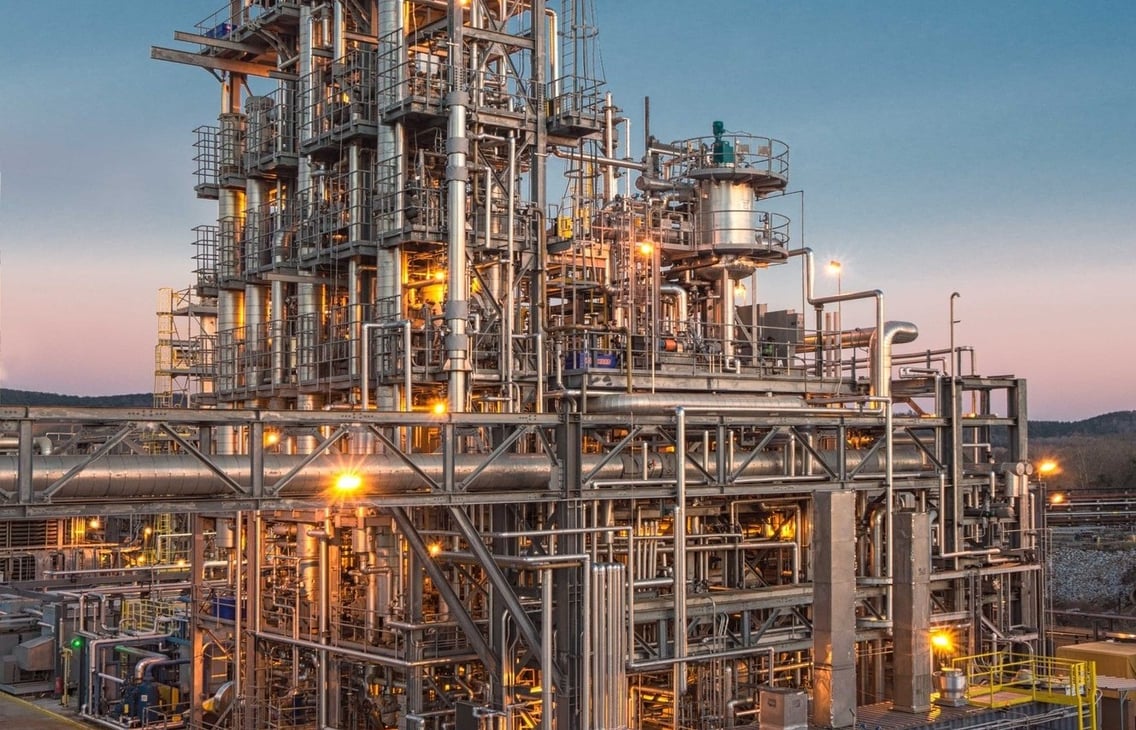
Kern County Court: TerraVault California Carbon Capture Blocked
Summary
- A Kern County Superior Court judge blocked TerraVault, California's first carbon capture project, due to violations of the California Environmental Quality Act.
- The project, developed by California Resources Corporation, aimed to store two million tons of CO2 annually at the Elk Hills Oil Field.
- The court found the project's Environmental Impact Report inadequate for failing to assess the impact of eight potential new industries it could enable.
- Environmental groups, including the Sierra Club and Center for Biological Diversity, celebrated the ruling, citing concerns over public health and increased pollution.
- California Resources Corporation expressed disappointment, calling the ruling a 'weaponization of CEQA' and vowing to pursue all available options.
Court Halts TerraVault Carbon Capture Project
The court's decision emphasizes that environmental impact reports for such initiatives must comprehensively evaluate all potential direct and indirect consequences, including the enablement of new industrial activities.
A Kern County Superior Court judge recently issued a ruling that effectively blocked TerraVault, California's inaugural carbon capture and storage project, citing violations of the California Environmental Quality Act (CEQA). This significant decision represents a victory for various local environmental justice and conservation organizations, including the Sierra Club and the Center for Biological Diversity, which had initiated a lawsuit challenging the project's approval.
Developed by California Resources Corporation (CRC), the state's largest oil and gas company, the TerraVault initiative aimed to inject and store up to two million tons of carbon dioxide underground annually. Situated at the Elk Hills Oil Field within the San Joaquin Valley, the project commenced capturing carbon dioxide from oil wells and injecting it into subterranean reservoirs in May. Upon its full completion, the two designated vaults, repurposed from depleted oil reservoirs, were projected to sequester an amount of CO2 equivalent to the annual emissions of over 400,000 automobiles.
Inadequate Environmental Impact Assessment
The core of the **California Environmental Quality Act challenge** centered on the alleged inadequacy of the project's Environmental Impact Report (EIR). Plaintiffs argued that the EIR, prepared by CRC and subsequently approved by Kern County, failed to properly assess the full scope of the project, specifically neglecting to account for up to eight potential new industries that TerraVault I could serve. These new factories, which could include facilities for producing cement and steel, were deemed a "reasonably foreseeable consequence" of the project's existence.
Superior Court Judge Marcos Camacho concurred with the plaintiffs' assessment, highlighting that the entire infrastructure—including CO2 capture equipment, transportation pipelines, compression facilities, injection and monitoring wells, and underground pore space—is exclusively designed to receive and store carbon dioxide. Judge Camacho explicitly stated that these potential source facilities and industries fundamentally alter the project's scope and nature. He concluded that this omission meant the "whole of the project was not considered, in violation of CEQA," further noting other deficiencies in the environmental report, such as the failure to adequately address the issue of atmospheric CO2 leakage.
Environmental groups had consistently voiced concerns that the county's approval overlooked numerous environmental, public health, and safety issues. Ileana Navarro of the Central California Environmental Justice Network emphasized that Kern County residents had long expressed serious worries regarding increased pollution and the safety implications of storing millions of tons of CO2 beneath their communities. The court's decision emphasizes that environmental impact reports for such initiatives must comprehensively evaluate all potential direct and indirect consequences, including the enablement of new industrial activities.
Industry Response and Future Implications
Francisco Leon, President and CEO of California Resources Corporation, expressed significant disappointment following the **Kern County Superior Court ruling**. He characterized the project as the culmination of extensive work, including close consultation with surrounding communities, which he claimed offered overwhelming support. Leon criticized the order as a "step in the wrong direction" for climate change mitigation efforts, suggesting it represents the "weaponization of CEQA by a narrow group of special interests." CRC has indicated it is currently reviewing the order and intends to "aggressively pursue all available options" to advance the project.
Conversely, some environmental organizations argue that the TerraVault I project would, in effect, prolong the operational life of the Elk Hills Oil Field, which ranks as the seventh most productive in the United States. Furthermore, opponents contend that the potential for CRC to store carbon from new, not-yet-built factories in the region could lead to further pollution in an already environmentally burdened, low-income area struggling with poor air quality. This aspect underscores the broader concerns within **carbon capture storage litigation** regarding induced development and cumulative impacts.
This judicial outcome sets a crucial precedent for future carbon capture initiatives in California, underscoring the stringent requirements for **environmental impact report adequacy** under CEQA. Developers of such projects will likely face increased scrutiny to ensure their assessments comprehensively address all reasonably foreseeable direct and indirect impacts, including those related to new industrial growth and long-term environmental justice considerations.
Practical Implications
This ruling underscores the critical need for developers of carbon capture and storage projects in California to conduct exhaustive environmental impact assessments that account for all reasonably foreseeable direct and indirect impacts, including those from new industries enabled by the project. Lawyers advising on such projects must ensure CEQA compliance is robust to withstand challenges from environmental groups, as courts are scrutinizing the comprehensiveness of EIRs.
Source
How does this affect you?
Get an AI analysis of this article grounded in your jurisdictions, practice areas, and any policy documents you've uploaded to Wansom.
Wansom is AI and can make mistakes.