
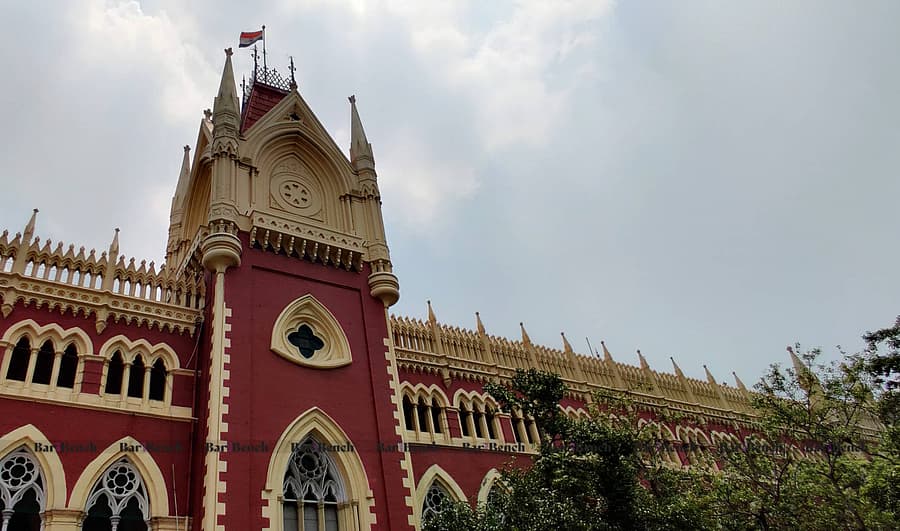
Calcutta High Court: Declines Urgent TMC Office De-seal Plea
Summary
- The Calcutta High Court denied an urgent plea from the Trinamool Congress to de-seal its Camac Street office.
- Justice Rishad Medora, presiding over a vacation bench, found no immediate urgency to consider the case.
- The office was sealed by police on September 3 after being vandalized by fifteen masked individuals.
- The Trinamool Congress alleged the vandalization was backed by the Bharatiya Janata Party following the 2026 West Bengal elections.
- The matter has been listed for a regular hearing on November 23, 2026.
Court Declines Immediate Intervention for TMC Office De-seal
The court's stance, particularly from a vacation judge, underscores the high bar for demonstrating immediate urgency, especially when seeking interim orders from a vacation bench.
The Calcutta High Court recently declined an urgent plea from the Trinamool Congress (TMC) seeking immediate reinstatement of entry into its Camac Street office. The party had approached the court requesting directives for the State police to de-seal the premises and restore access, following an incident of vandalization. However, the vacation bench, presided over by Justice Rishad Medora, concluded that the circumstances presented did not warrant an expedited hearing, thereby refusing to issue any immediate orders for the TMC Camac Street office sealing to be lifted.
This judicial decision means that the TMC's immediate efforts to secure prompt re-entry to their party headquarters have been temporarily stalled. The court's stance, particularly from a vacation judge, underscores the high bar for demonstrating immediate urgency, especially when seeking interim orders from a vacation bench. The case, officially titled All India Trinamool Congress v. State of West Bengal and Ors., will now proceed through an expedited judicial calendar as directed by the Supreme Court, rather than receiving a standard review, emphasizing that not all matters, even politically charged ones, automatically qualify for urgent consideration.
Background to the Sealing and Allegations
The legal challenge initiated by the Trinamool Congress stems from a significant incident that occurred on September 3, when a group of fifteen masked individuals reportedly vandalized their Camac Street office. Following this act of destruction, police authorities took the step of sealing the premises, effectively barring access to the political party. This action by the West Bengal police office sealing prompted the TMC to seek judicial intervention for the office's de-seal, arguing for the necessity of regaining control over their property.
In its petition, the TMC put forth a significant allegation, claiming that the vandalization of their office was not merely a random act but was carried out with the backing of the Bharatiya Janata Party (BJP). This alleged support from the BJP, according to the plea, purportedly came in the aftermath of their victory in the West Bengal Legislative Assembly Elections in 2026. The masked individuals were described as having trespassed into the office during the incident, leading directly to the subsequent police action and the party's urgent appeal to the Calcutta High Court for relief.
Judicial Rationale and Future Proceedings
Justice Medora's refusal to grant urgent relief was a direct outcome of his assessment that "no immediate urgency was made out for the case to be considered by the vacation bench." This determination followed a thorough hearing that included arguments from the senior advocate representing the petitioner and the learned advocate general representing the State respondents. The judge's statement explicitly emphasized the procedural requirements for matters brought before a vacation bench, which typically handles cases demanding immediate attention to prevent irreparable harm or significant prejudice.
The court has now listed the matter for a regular hearing on November 23, 2026, contingent upon the court's convenience and schedule. In the interim period, the Learned Advocate General has been specifically requested to obtain all necessary instructions pertaining to the subject matter of the writ petition. This directive ensures that the State's legal position will be comprehensively prepared for the scheduled hearing, even as the Calcutta High Court declined to order an immediate TMC office de-seal, thereby highlighting the importance for litigants to clearly articulate the irreparable harm or immediate threat to justify an expedited hearing, particularly when seeking extraordinary relief from a vacation bench.
Practical Implications
Lawyers should note that the Calcutta High Court's refusal of urgent relief in this case highlights the high bar for demonstrating immediate urgency, especially when seeking interim orders from a vacation bench. This decision underscores the importance of clearly articulating the irreparable harm or immediate threat to justify an expedited hearing, even in politically charged matters.
Source
How does this affect you?
Get an AI analysis of this article grounded in your jurisdictions, practice areas, and any policy documents you've uploaded to Wansom.
Finish Reading the Full Story and the Expert Analysis.
Get the latest legal & regulatory intelligence in India
Wansom is AI and can make mistakes.