
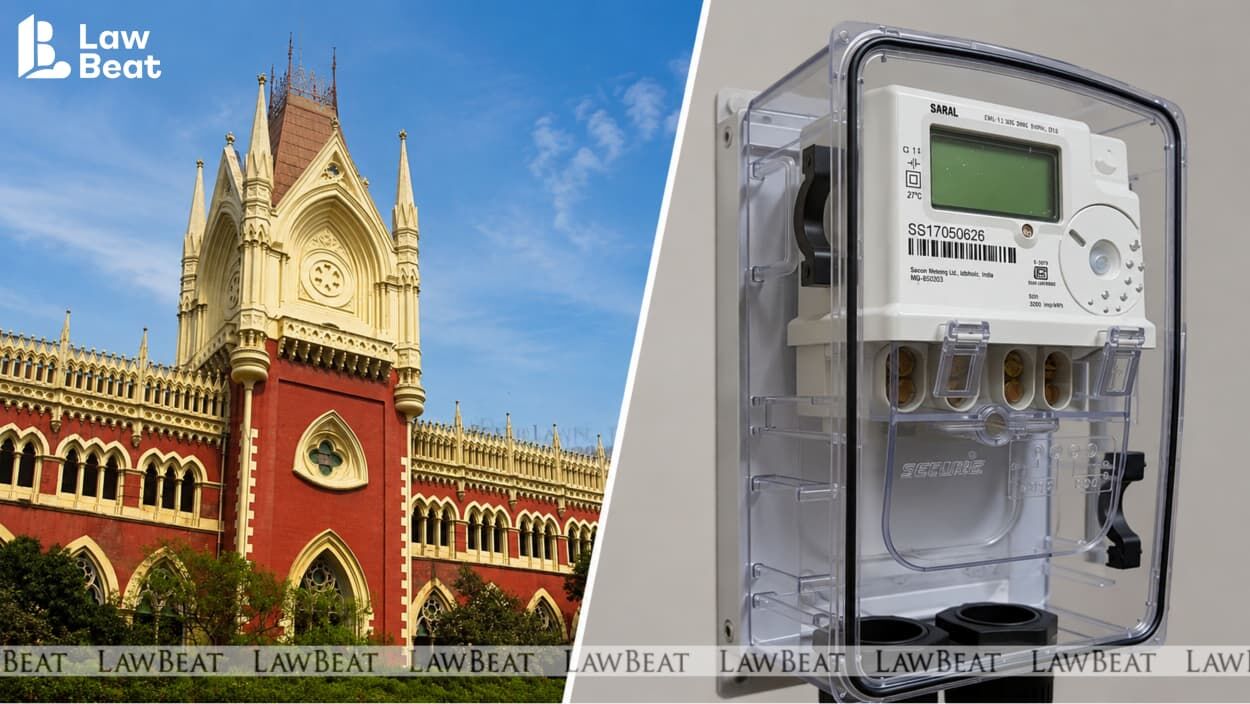
Calcutta HC: Electricity a Dignified Life Right, Essential Commodity
Summary
- The Calcutta High Court affirmed that access to electricity is integral to the constitutional right to a dignified life.
- A Division Bench refused to interfere with an order restoring power to occupants of a Kolkata premises, despite a property dispute and initial safety concerns.
- CESC had disconnected supply due to water damage posing fire and electrocution hazards to the meter board.
- The court mandated specific steps for restoration, including repairs by occupants and consultation with CESC and municipal authorities.
- The ruling clarified that restoring electricity does not determine the occupants' status in the ongoing property dispute or create new equity for them.
Background to the Dispute
The Calcutta High Court has firmly established that living without electricity in modern times constitutes a deprivation of a meaningful civilized existence, directly linking access to power with the constitutional guarantee of a dignified life.
The Calcutta High Court recently addressed an appeal concerning the restoration of electricity supply to occupants of a Kolkata premises, a decision that underscores the fundamental nature of access to power. The case originated from a single-judge order dated August 6, 2026, which had directed CESC, the utility provider, to reinstate the electricity connection. This directive came after CESC had initially disconnected the supply, citing significant safety concerns due to water percolation affecting the existing meter board, which presented a clear fire and electrocution hazard.
The single-judge's order outlined a detailed process for restoration: occupants were required to submit a fresh application, after which CESC was to provide a cost quotation within two working days. Upon deposit of the necessary funds, CESC would remove the old service cable and installation. This would allow the occupants to repair the dilapidated meter board and wall, with prior intimation to municipal authorities. Subsequently, occupants were permitted to install a new meter board adjacent to the old one on the outer wall, in consultation with CESC, with supply to be restored once CESC deemed the repair work satisfactory. By the time the matter reached the Division Bench, electricity had already been restored to the original writ petitioners and other similarly situated occupants who had approached CESC.
The Court's Affirmation of a Dignified Life
A Division Bench of the Calcutta High Court, comprising Justice Shampa Sarkar and Justice Arjun Ray Mukherjee, ultimately declined to interfere with the restoration of electricity. Their ruling firmly established that access to electricity is an essential commodity, and that living without power in contemporary society amounts to a "deprivation of a meaningful civilized living." This pivotal finding directly links the provision of electricity to the constitutional guarantee of a right to live in a healthy and dignified manner, reinforcing the principle that the Calcutta HC electricity dignified life right is paramount.
The court's decision emphasizes that modern existence necessitates basic amenities, and electricity is no longer a luxury but a fundamental requirement for a dignified life. By upholding the restoration, the bench underscored the constitutional imperative to ensure citizens' access to such essential services, even amidst complex property disputes. This stance highlights the judiciary's role in safeguarding fundamental rights, extending their interpretation to encompass practical necessities like power supply.
Legal Arguments and Broader Context
During the appeal, Senior Advocate Aniruddha Chatterjee, representing the appellant landlords, Avijit Singha Roy and another, argued that the single-judge order, despite its seemingly innocuous nature, directly impacted the landlords' rights. He contended that it ran contrary to an order issued by the Kolkata Municipal Corporation under Section 412A of the Kolkata Municipal Corporation Act, 1980, an order which itself was under challenge in separate, pending appeals stemming from two other writ petitions. The landlords asserted that the occupants had no right to remain in the dilapidated premises or to enjoy electricity, suggesting that allowing the supply to continue would implicitly acknowledge their right to stay.
Conversely, Advocate Biswaroop Bhattacharya, appearing for the writ petitioners, countered that the challenge to the KMC's Section 412A proceedings was a distinct matter, currently referred to mediation, and that the writ petition concerning electricity restoration was entirely independent. Advocate Pratik Majumder, representing other added respondents, further submitted that the restoration of electricity should not be interpreted as creating any equity in favor of the occupants regarding the property dispute. CESC was represented by Debanjan Mukherjee and Subhajit Chatterjee, while Additional Government Pleader Tapas Kr. Chatterjee appeared for the State.
Implications of the Ruling
The Calcutta High Court's decision carries significant implications, particularly in cases involving property disputes and the provision of essential services. The bench explicitly clarified that its appeal was strictly confined to the question of restoring electricity to those already in occupation or who had subsequently moved in. Crucially, the court stated that its ruling did not, in any manner, decide the underlying status of the occupants themselves or create any new equity in their favor concerning the property dispute.
This ruling establishes a robust precedent that access to electricity, recognized as an essential commodity and integral to a dignified life, cannot be easily denied. It reinforces the constitutional right to life under Article 21, extending its protective ambit to include basic utilities like electricity, even when property ownership or tenancy is contested. The judgment effectively separates the right to essential services from the complexities of property litigation, ensuring that fundamental human needs are met while other legal battles proceed independently.
Practical Implications
This ruling establishes a significant precedent that access to electricity is integral to the right to a dignified life, making it challenging for landlords or utility providers to disconnect supply even amidst property disputes or safety concerns. Lawyers advising property owners, tenants, or utility companies must factor this heightened protection for occupants into their strategies regarding disconnections and property management.
Source
How does this affect you?
Get an AI analysis of this article grounded in your jurisdictions, practice areas, and any policy documents you've uploaded to Wansom.
Finish Reading the Full Story and the Expert Analysis.
Wansom is AI and can make mistakes.