
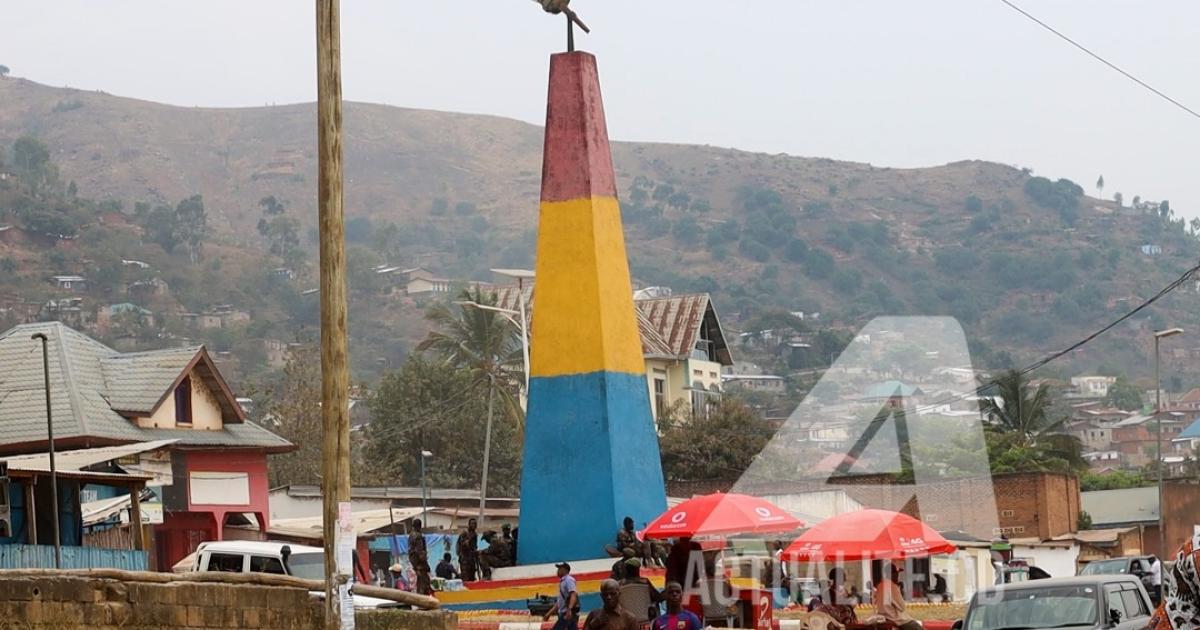
DRC: C64 Uvira Protest Arrests After Police Dispersal
Summary
- On September 15, 2026, the Congolese National Police dispersed a protest in Uvira.
- The C64 coalition organized the demonstration to oppose a proposed change to the DRC constitution.
- At least four individuals were arrested during the police intervention.
- The incident highlights tensions surrounding constitutional reform and freedom of assembly in the DRC.
Uvira Protest Dispersed Amid Constitutional Debate
The C64 coalition's protest in Uvira forms part of a wider movement resisting potential alterations to the Democratic Republic of Congo's foundational legal document.
In a significant development in the Democratic Republic of Congo, a protest organized by the C64 coalition in Uvira was forcibly dispersed by the Congolese National Police on the morning of September 15, 2026. The demonstration, which aimed to express opposition to a proposed change to the DRC's constitution, saw law enforcement intervene to break up the gathering, leading to immediate arrests.
This incident highlights growing political tensions in the region, particularly concerning fundamental governance structures. The C64 coalition had mobilized its supporters to voice strong objections to any amendments to the national constitution, reflecting a broader public debate about the country's political future and stability. The police action resulted in the apprehension of at least four individuals present at the protest site.
Context of Constitutional Opposition
The C64 coalition's protest in Uvira forms part of a wider movement resisting potential alterations to the Democratic Republic of Congo's foundational legal document. Such proposed changes often spark considerable public debate and can be perceived as attempts to consolidate power or undermine democratic principles. The coalition's decision to organize a public demonstration underscores the depth of feeling among certain segments of the population regarding the sanctity of the current constitutional framework.
The specific concerns driving the C64 coalition's opposition were centered on preventing any modifications that they believe could negatively impact the nation's governance or the rights of its citizens. This type of political unrest, exemplified by the Uvira police C64 dispersal, frequently emerges when there are significant disagreements over national policy and constitutional matters, testing the boundaries of freedom of assembly within the RDC.
Legal and Human Rights Considerations
The intervention by the Congolese National Police to disperse the C64 Uvira protest arrests raises important questions about the exercise of freedom of assembly in the Democratic Republic of Congo. While governments often cite public order or security concerns to justify dispersing demonstrations, the right to peaceful protest is a cornerstone of democratic societies and is typically enshrined in national and international legal instruments.
The detention of at least four individuals following the dispersal further emphasizes the human rights implications of such actions. Observers often scrutinize how law enforcement agencies manage public demonstrations, particularly when they involve political dissent, to ensure that responses are proportionate and respect fundamental liberties. This event in Uvira serves as a critical data point for assessing the state of civil liberties and the government's approach to political opposition in the DRC.
Implications for Regional Stability
The C64 Uvira protest arrests and subsequent dispersal underscore the potential for increased political instability in the Democratic Republic of Congo, particularly in regions where constitutional debates ignite public demonstrations. Such incidents can contribute to a climate of uncertainty, impacting not only domestic politics but also regional dynamics.
Monitoring how the government responds to these expressions of dissent, especially concerning issues as fundamental as constitutional changes, is crucial. The events of September 15, 2026, in Uvira, where the Congolese National Police acted to quell a DRC constitution change protest, highlight the ongoing challenges related to freedom of assembly and political expression within the country, signaling potential for continued Uvira political unrest.
Practical Implications
Lawyers and compliance officers should note the potential for increased political instability and human rights concerns in the DRC, particularly regarding freedom of assembly. This incident signals a need to monitor government responses to dissent and advise clients on potential operational risks or human rights due diligence in the region.
Source
How does this affect you?
Get an AI analysis of this article grounded in your jurisdictions, practice areas, and any policy documents you've uploaded to Wansom.
Finish Reading the Full Story and the Expert Analysis.
Get the latest legal & regulatory intelligence in DR Congo
Wansom is AI and can make mistakes.