
DRC: C64 March Dispersed, Kananga Arrests After Tear Gas
Summary
- A planned march by the Coalition 64 (C64) in Kananga, Kasaï-Central province, was prevented from starting on Tuesday, September 15.
- Security forces dispersed militants attempting to gather at the Notre-Dame roundabout using tear gas.
- The demonstration was organized to protest against any proposed constitutional change project.
- Several participants in the planned protest were subsequently arrested by authorities.
Events Unfold in Kananga
For legal professionals, especially those advising on human rights or political risk in the region, these events underscore the evolving landscape of public assembly rights in the DRC.
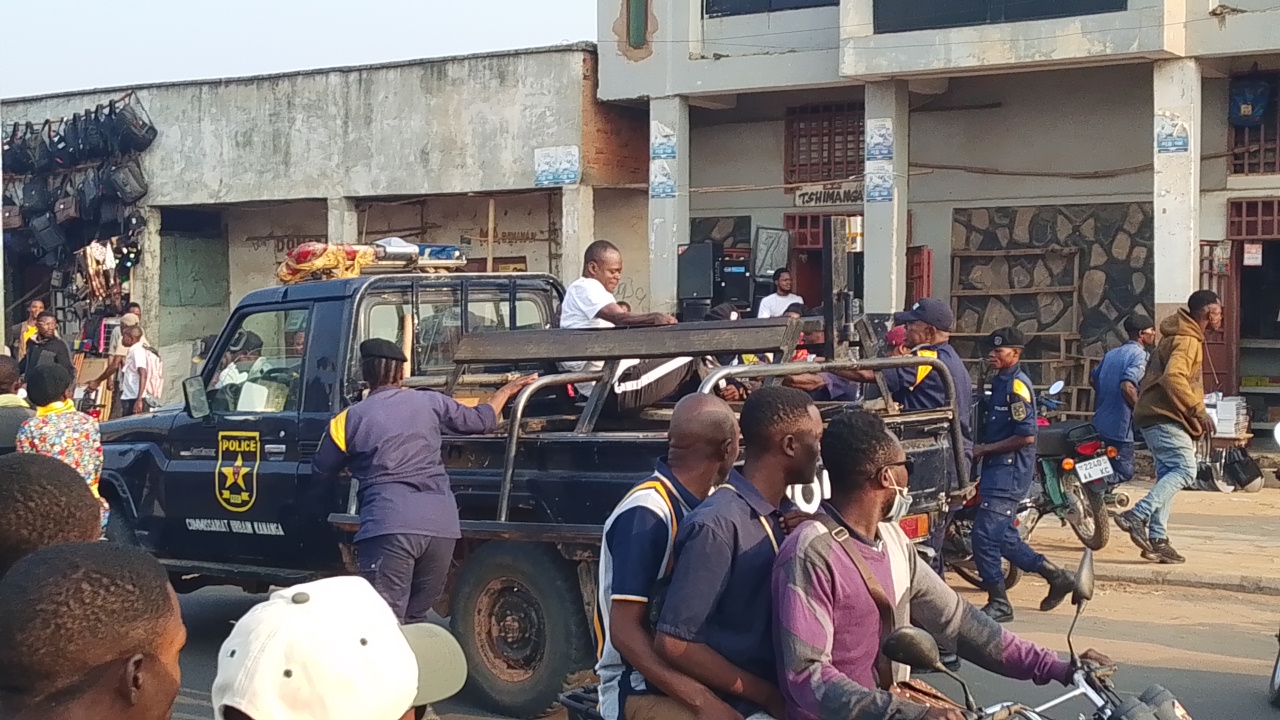
On Tuesday, September 15, a planned demonstration by the Coalition 64 (C64) in Kananga, located in the Kasaï-Central province, was abruptly halted before it could even commence. Activists associated with the C64 had intended to gather at the Notre-Dame roundabout, designated as the starting point for their protest. However, security forces intervened to prevent the assembly from forming, leading to a swift and forceful dispersal of the crowd.
The authorities employed tear gas to scatter the militants who were attempting to convene at the specified location. This intervention effectively ensured that the C64 march did not proceed as scheduled. Following the dispersal, numerous individuals participating in the planned Coalition 64 protest Kananga were taken into custody. These Kananga arrests underscore the challenges faced by opposition movements in the region.
Constitutional Concerns and Assembly Rights
The thwarted demonstration by the C64 was organized specifically to voice opposition against any proposed constitutional change project. This objective places the incident within a broader context of political tensions in the Democratic Republic of Congo, where discussions around potential amendments to the nation's foundational legal document often spark significant public debate and dissent. The Coalition 64, like other civil society groups, sought to exercise its right to public expression on a matter of national importance.
The use of tear gas to break up the gathering, preventing the C64 march from starting, raises questions regarding the practical application of freedom of assembly rights in the DRC. While constitutional provisions typically guarantee such freedoms, the response by security forces to the planned Kananga tear gas demonstration highlights a recurring pattern where public gatherings, particularly those critical of government policies or potential constitutional shifts, are met with official suppression. The Kasaï-Central C64 arrests further exemplify the state's readiness to intervene against public expressions of political disagreement, especially concerning sensitive issues like constitutional reform in Congo.
Broader Implications for Governance and Advocacy
The incident in Kananga, where a C64 march was dispersed and arrests made, serves as a significant indicator of the ongoing political climate in the Democratic Republic of Congo. The forceful prevention of a peaceful assembly, particularly one focused on safeguarding the existing constitutional framework, can be seen as a challenge to democratic principles and the right of citizens to engage in public discourse on critical national issues. Such actions by security forces can have a chilling effect on future civic participation and expressions of dissent, potentially stifling open debate on matters of governance.
For legal professionals, especially those advising on human rights or political risk in the region, these events underscore the evolving landscape of public assembly rights in the DRC. Monitoring the response to protests like the Coalition 64 protest Kananga is crucial, particularly given the persistent political tensions surrounding constitutional reform. Lawyers must remain vigilant to advise clients on compliance risks associated with public demonstrations and to assess potential avenues for human rights litigation arising from state actions that restrict fundamental freedoms. The Kasaï-Central C64 arrests, alongside the use of tear gas to disperse the demonstration, highlight the imperative for ongoing scrutiny of how the state balances security concerns with citizens' constitutional liberties.
Practical Implications
Lawyers should monitor the evolving landscape of public assembly rights in the DRC, particularly in light of political tensions surrounding constitutional reform, to advise clients on compliance risks and potential human rights litigation.
Source
How does this affect you?
Get an AI analysis of this article grounded in your jurisdictions, practice areas, and any policy documents you've uploaded to Wansom.
Finish Reading the Full Story and the Expert Analysis.
Get the latest legal & regulatory intelligence in DR Congo
Wansom is AI and can make mistakes.