
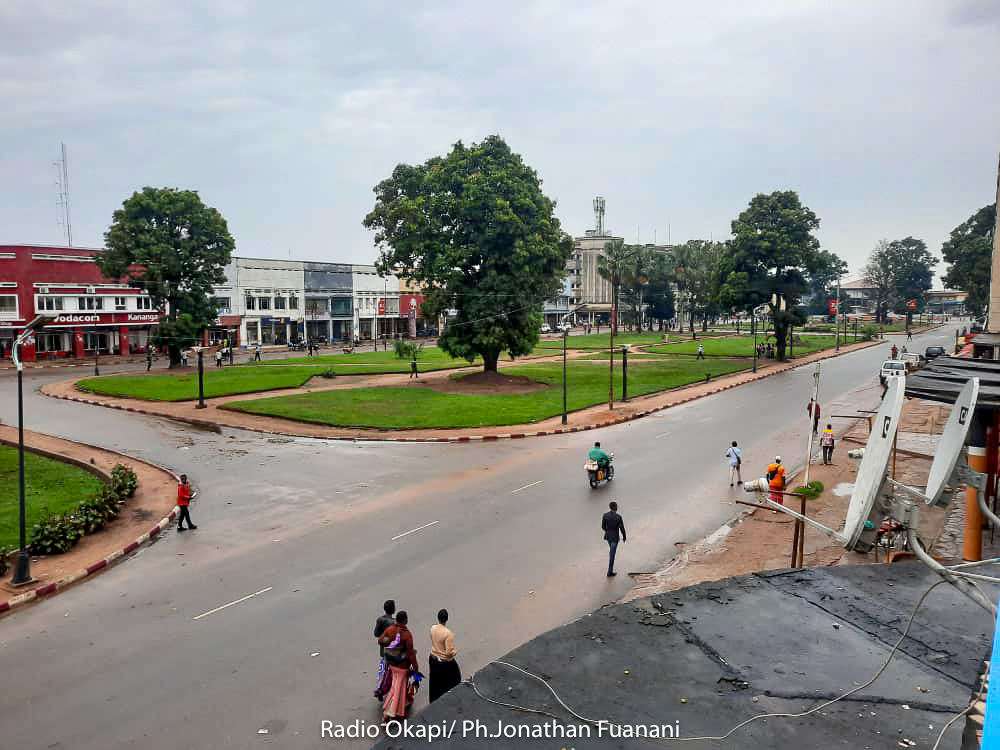
C64 Maintient Marche Kananga Suspension: Coalition Defies Ban
Summary
- The urban authority in Kananga, Kasaï-Central, has indefinitely suspended all political demonstrations, citing security concerns.
- The opposition coalition C64/Kasaï-Central has denounced this measure as unconstitutional.
- C64/Kasaï-Central plans to proceed with its demonstration on Tuesday, September 15, to oppose constitutional changes.
- The coalition's decision to maintain its march despite the ban highlights a direct challenge to administrative authority.
- This event raises significant questions about the balance between security imperatives and the constitutional right to freedom of assembly in the DRC.
Overview of the Dispute in Kananga
The C64 maintient marche Kananga suspension becomes a focal point for discussions on the balance between state authority and individual freedoms.
Authorities in Kananga, the provincial capital of Kasaï-Central, have issued a directive suspending all political demonstrations indefinitely. This administrative decision, communicated by the urban authority, is reportedly based on concerns regarding public security. The measure effectively curtails the right to assemble for political purposes within the city until further notice, prompting immediate and strong reactions from opposition groups.
In direct response to this ban, the C64/Kasaï-Central opposition coalition has vociferously condemned the suspension, labeling it an unconstitutional overreach of administrative power. Despite the official prohibition, the coalition has affirmed its intention to proceed with a planned demonstration. This steadfast resolve by the C64 to maintain its march in Kananga, despite the suspension, sets the stage for a direct confrontation between administrative authority and civil society.
The specific protest that the C64/Kasaï-Central coalition intends to hold is scheduled for Tuesday, September 15. The primary objective of this demonstration is to express opposition to proposed changes to the national Constitution. This planned defiance underscores the coalition's belief that the right to peaceful assembly, particularly on matters of constitutional importance, supersedes the administrative order.
Legal and Constitutional Challenges
The C64/Kasaï-Central's assertion that the administrative suspension constitutes a "mesure anticonstitutionnelle Kananga" highlights a fundamental tension between state security prerogatives and enshrined civil liberties. In the Democratic Republic of Congo, the right to manifest, or the droit de manifester RDC, is a constitutionally protected freedom, allowing citizens to express their views publicly. Administrative bodies, while empowered to ensure public order, typically face limitations when restricting such fundamental rights, requiring a strong legal basis and proportionality.
This particular suspension manifestations politiques Kananga raises questions about the scope of administrative power to unilaterally restrict the liberté de réunion RDC. Legal frameworks often stipulate that any limitations on freedom of assembly must be prescribed by law, necessary in a democratic society, and proportionate to the legitimate aim pursued. The C64's direct challenge suggests a belief that the urban authority's decision falls short of these constitutional and legal standards, potentially infringing upon the fundamental rights of its members and the wider populace.
Lawyers advising political or civil society groups in the DRC should note this direct challenge to an administrative suspension of protests, which invokes constitutional rights. The C64's decision to proceed with its demonstration, despite the ban, underscores the perceived illegitimacy of the order and the importance of the right to protest against constitutional amendments. This case highlights the legal risks and potential for judicial review concerning restrictions on freedom of assembly, requiring careful consideration of the legality of such measures and strategies for compliance or challenge.
Broader Implications for Freedom of Assembly
The ongoing contestation suspension manifestations RDC, exemplified by the C64's stance in Kananga, carries significant implications for the broader landscape of civil liberties in the country. When administrative bodies impose blanket bans on political gatherings, even citing security, it often prompts scrutiny regarding the true motivations and the potential for suppressing dissent. The C64 maintient marche Kananga suspension becomes a focal point for discussions on the balance between state authority and individual freedoms.
Such incidents can set precedents for how future administrative restrictions on public gatherings are perceived and challenged. If administrative decisions to suspend demonstrations are routinely contested on constitutional grounds, it could lead to increased judicial oversight or, conversely, a chilling effect on political expression. The outcome of this particular dispute, whether through the actual protest on September 15 or subsequent legal actions, will be closely watched by civil society organizations and political actors across the DRC.
This situation underscores the critical importance of upholding constitutional guarantees for freedom of assembly, even in the face of security concerns. The C64/Kasaï-Central's firm position against what it deems an unconstitutional measure serves as a reminder of the ongoing struggle to protect democratic spaces and ensure that administrative actions do not unduly infringe upon the fundamental rights of citizens to express their political will.
Practical Implications
Lawyers advising political or civil society groups in the DRC should note this direct challenge to an administrative suspension of protests, which invokes constitutional rights. This case highlights the legal risks and potential for judicial review concerning restrictions on freedom of assembly, requiring careful consideration of the legality of such measures and strategies for compliance or challenge.
Source
Source: Original reporting via {source}
How does this affect you?
Get an AI analysis of this article grounded in your jurisdictions, practice areas, and any policy documents you've uploaded to Wansom.
Finish Reading the Full Story and the Expert Analysis.
Get the latest legal & regulatory intelligence in DR Congo
Wansom is AI and can make mistakes.