
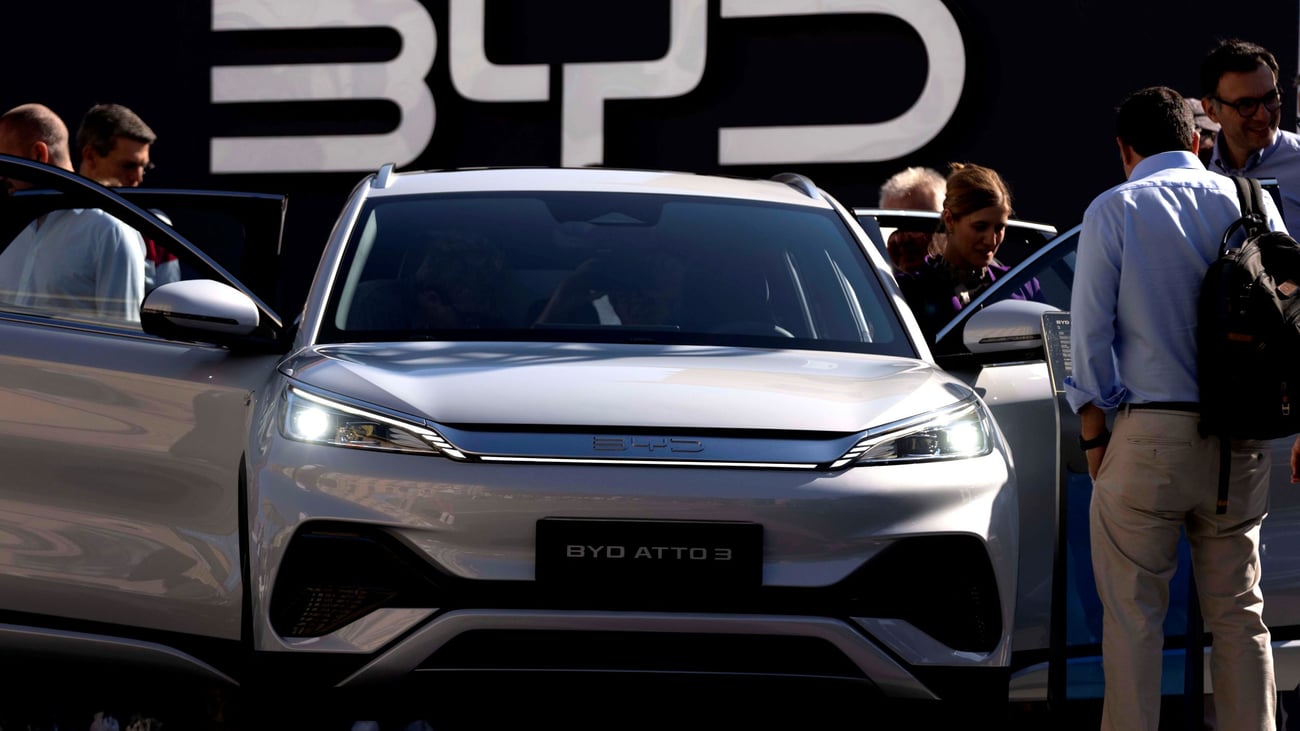
BYD Sues US Defense Department: Challenges Chinese Military Company Lobbying Rule
Summary
- BYD's U.S. subsidiaries have sued the U.S. Defense Department over a federal law restricting lobbying for "Chinese military companies."
- The lawsuit argues the "Prohibition on Contracting with Covered Entities" violates BYD's First Amendment rights, as it prevents lobbyists from representing its interests.
- BYD disputes its designation as a Chinese military company, stating it is based on routine commercial activities rather than military ties.
- The company highlights that the law also hinders its advocacy on critical policy matters affecting its U.S. operations and supply chain.
- This legal challenge could establish a significant precedent for foreign companies' lobbying rights and U.S. government designations.
What Happened
The lawsuit argues that the federal prohibition on contracting with covered entities that engage lobbyists for Chinese military companies violates the First Amendment, both on its face and as applied to BYD.
Global electric vehicle giant BYD has initiated legal proceedings against the U.S. Defense Department, challenging the constitutionality of a federal statute that restricts lobbying activities for companies designated as "Chinese military companies" (CMCs). Two of BYD's U.S. subsidiaries, BYD Motors LLC and BYD America LLC, both based in Pasadena, California, filed a complaint in Los Angeles federal court. This legal action targets the "Prohibition on Contracting with Covered Entities that Contract with Lobbyists for Chinese Military Companies," a law that became effective on June 30.
The core of the dispute stems from the Defense Department's decision last June to designate BYD Group as a Chinese military company. This designation immediately impacted BYD's ability to engage with Washington, as lobbying firms subsequently informed the company they could no longer represent its interests. BYD, recognized as the world's largest electric vehicle manufacturer, asserts that this federal lobbying rule infringes upon its First Amendment rights by effectively silencing its voice in the political arena.
The Legal Challenge
The lawsuit argues that the federal prohibition on contracting with covered entities that engage lobbyists for Chinese military companies violates the First Amendment, both on its face and as applied to BYD. The challenged statute prevents the Defense Department from conducting business with contractors who utilize lobbying firms that also represent designated CMCs. BYD contends that this framework renders it impossible for its retained lobbyists to advocate on its behalf in Washington, thereby curtailing its constitutional right to free speech and petition.
Beyond the immediate impact on its lobbying efforts, BYD highlights the broader implications of the DoD lobbying ban First Amendment challenge. The company states that the law impedes its capacity to advocate on critical policy matters, including proposed legislation that could ban U.S.-based automakers with Chinese parent companies. Furthermore, it affects BYD's ability to influence decisions regarding the use of federal transit funds for its American-built buses and agency rule-making processes impacting its technological supply chain. The company, represented by attorneys from O’Melveny & Myers LLP in Los Angeles, is seeking a court declaration that the federal prohibition is unconstitutional.
Disputing the Designation
Central to BYD's legal challenge is its vehement denial of the "Chinese military company designation." The company asserts in its complaint that BYD Group is not a military entity and maintains no ties to any nation's security sector. It further argues that the Defense Department's internal memo designating it as a CMC does not present evidence to the contrary, instead basing the classification on what BYD describes as routine commercial activities and incidental interactions with Chinese regulators—conduct common among virtually all prominent companies operating in China.
One specific ground cited by the Defense Department for BYD's designation, according to the complaint, was its affiliation with a Chinese regulator that included BYD vehicles in a green-vehicle, tax-incentive registry. However, BYD points out that this very same registry also featured cars manufactured by numerous other global automotive giants, including Volkswagen, Mercedes-Benz, BMW, Toyota, Tesla, and Honda. BYD contends that such broad criteria, which could encompass a significant portion of the global auto industry, bear no relevance to any legitimate government interest in military secrecy. This CMC lobbying restrictions challenge therefore questions the very basis of the DoD's classification process.
Why It Matters
This lawsuit, centered on the BYD sues US Defense Department lobbying rule, carries significant implications beyond the immediate parties involved. It represents a direct constitutional challenge to a federal law that could set a precedent for how the U.S. government designates and restricts the advocacy efforts of foreign entities operating within its borders. The outcome of this case could redefine the compliance landscape for companies with international affiliations, particularly those with ties to China, impacting their ability to engage with U.S. policymakers.
BYD's substantial presence in the U.S. underscores the practical ramifications of this legal battle. The company operates an electric-bus manufacturing plant in Lancaster, California, which employs over 750 American workers, as part of its total U.S. workforce of over 1,000. Additionally, BYD supplies batteries, solar panels, and energy storage systems to customers across North America. The Pentagon, for its part, has declined to comment on the pending litigation, adhering to its standard policy. This case highlights the tension between national security concerns and the First Amendment rights of corporations, even those with foreign parentage, to advocate for their commercial interests in the United States.
Practical Implications
This lawsuit challenges the constitutionality of a federal law restricting lobbying for companies designated as 'Chinese military companies,' potentially impacting any foreign entity with US operations and their ability to advocate in Washington. Compliance officers and legal counsel for companies with Chinese affiliations should monitor this case for precedents regarding designations and lobbying rights, as it could redefine compliance risks and advocacy strategies.
Source
How does this affect you?
Get an AI analysis of this article grounded in your jurisdictions, practice areas, and any policy documents you've uploaded to Wansom.
Finish Reading the Full Story and the Expert Analysis.
Get the latest legal & regulatory intelligence in United States
Wansom is AI and can make mistakes.