
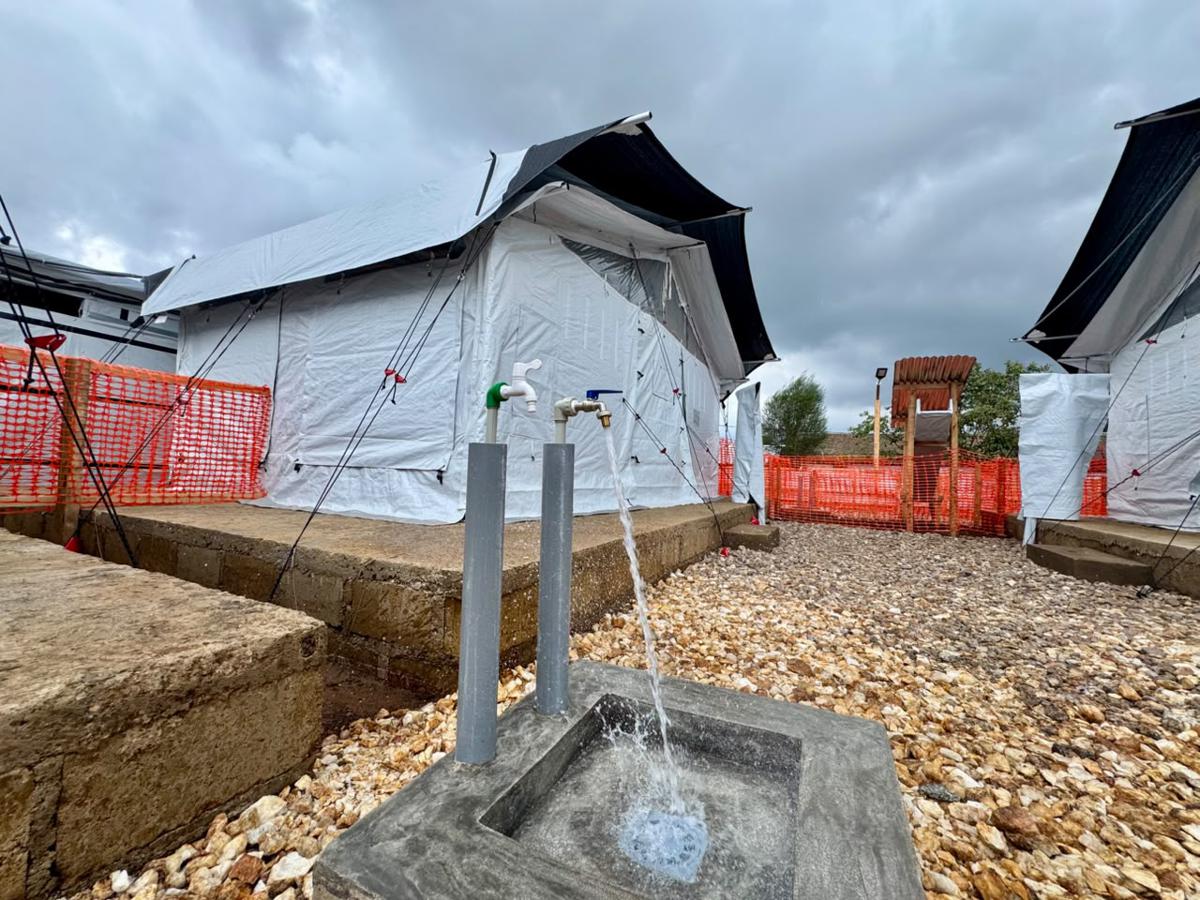
DRC: Butembo Ebola Healthcare Strike Disrupts Response
Summary
- Healthcare providers involved in the Ebola response in Butembo, North Kivu, have initiated a strike.
- The strike affects Ebola treatment and transit centers in the Butembo and Katwa health zones.
- Strikers demand two months of salary arrears, a revised pay scale, and improved working conditions and equipment.
- Butembo's civil society has expressed serious concerns about the strike's impact on the Ebola response.
Healthcare Strike Disrupts Ebola Response in DRC
Any disruption to their operations, as is currently occurring, poses an immediate threat to public health and could undermine months of effort in combating the epidemic.
Healthcare providers engaged in the Democratic Republic of Congo's Ebola response have initiated a significant work stoppage in Butembo, a key city in North Kivu. This industrial action directly affects critical operations aimed at containing the Ebola virus disease, specifically impacting treatment and transit centers situated within the Butembo and Katwa health zones. The cessation of services by these essential workers underscores a growing labor dispute in a region already grappling with a severe public health crisis.
The striking personnel have articulated clear demands that form the basis of their protest. Foremost among these is the immediate payment of two months' worth of salary arrears, a critical financial obligation that remains unfulfilled. Beyond overdue wages, the healthcare workers are also advocating for a comprehensive review of their existing salary scale, seeking adjustments that they believe more accurately reflect the risks and demands of their roles.
Furthermore, their grievances extend to the fundamental aspects of their work environment. The strikers are calling for substantial improvements to their overall working conditions, which they argue are currently inadequate. This includes a demand for better equipment, essential tools and resources necessary to perform their duties effectively and safely, particularly in the high-stakes context of an Ebola outbreak. The combination of these demands highlights deep-seated issues regarding compensation, safety, and resource allocation within the DRC's public health infrastructure.
Civil Society Expresses Grave Concerns
The local civil society in Butembo, North Kivu, has publicly voiced profound apprehension regarding the ongoing strike by healthcare providers. These community representatives are particularly worried about the potential for severe repercussions on the region's ability to manage and control the Ebola virus disease outbreak. Their concerns highlight the critical role these healthcare workers play and the fragility of the public health response when such essential services are interrupted.
The civil society's alarm stems from the direct impact of the strike on vital Ebola treatment and transit centers. These facilities are central to the strategy for isolating infected individuals, providing care, and preventing further transmission. Any disruption to their operations, as is currently occurring, poses an immediate threat to public health and could undermine months of effort in combating the epidemic.
This collective expression of concern from Butembo's civil society underscores the broader societal recognition of the strike's gravity. It reflects a deep understanding within the community that the cessation of work by Ebola response personnel could lead to a resurgence of cases or hinder the effective containment of the virus, thereby endangering more lives and exacerbating an already challenging humanitarian situation.
Implications for Public Health Stability
The current labor dispute, marked by the withdrawal of services from healthcare providers, carries significant implications for the stability of public health initiatives in the Democratic Republic of Congo. The cessation of work at Ebola treatment and transit centers in the Butembo and Katwa health zones creates a dangerous void in the ongoing fight against the virus. This situation not only jeopardizes the immediate containment efforts but also erodes trust in the public health system's capacity to protect its citizens.
Unresolved issues concerning unpaid salaries, inadequate compensation, and substandard working conditions for frontline healthcare workers can have a cascading effect beyond the immediate strike. Such grievances can lead to demotivation, high turnover, and a reluctance among personnel to engage in future high-risk public health campaigns. This long-term impact could severely weaken the DRC's preparedness and response capabilities for future health crises, making the resolution of the current dispute critically important for sustained public health security.
The demands for improved equipment and working conditions are not merely about comfort; they are fundamental to the safety and effectiveness of healthcare delivery, particularly in infectious disease management. When workers lack proper tools and a safe environment, both their health and the quality of patient care are compromised. Addressing these foundational issues is essential not only to end the current strike but also to build a resilient and effective healthcare workforce capable of confronting ongoing and future public health challenges in the region.
Practical Implications
Companies operating in the Democratic Republic of Congo, particularly those involved in public health initiatives or with significant local workforces, should assess potential operational disruptions and compliance risks related to labor disputes, especially concerning timely salary payments and working conditions in critical sectors like healthcare. This situation highlights the importance of robust contingency planning for public health service interruptions and managing employee relations in high-risk environments.
Source
How does this affect you?
Get an AI analysis of this article grounded in your jurisdictions, practice areas, and any policy documents you've uploaded to Wansom.
Finish Reading the Full Story and the Expert Analysis.
Get the latest legal & regulatory intelligence in DR Congo
Wansom is AI and can make mistakes.