
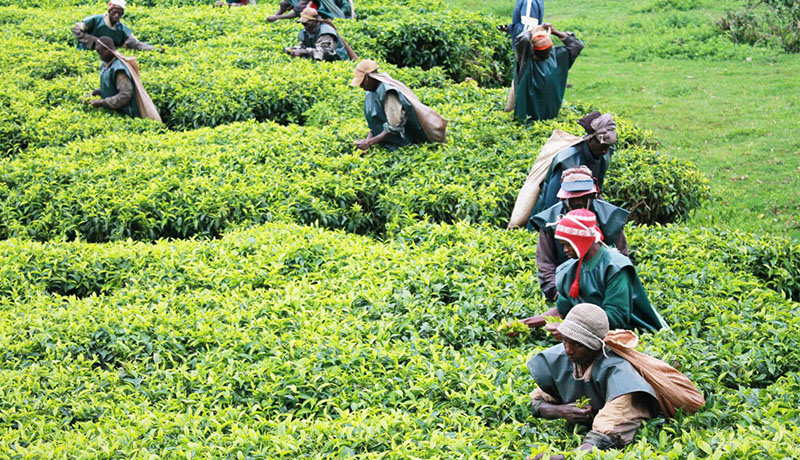
Burundi Tea Sector: OTB Faces Governance, Regulatory Challenges
The Burundian tea sector is currently facing significant challenges, including low tea leaf prices, producer disinterest, and a lack of fertilizer, leading to a recognized decline in production by the Office du Thé du Burundi (OTB), as reported by Iwacu Burundi.
This situation highlights systemic issues within a key agricultural sector, impacting economic stability, rural livelihoods, and potentially foreign exchange earnings for Burundi. For legal professionals, it signals potential areas of regulatory reform, contract disputes (e.g., between OTB and producers regarding pricing or supply agreements), and corporate governance issues within state-owned enterprises. The call for deep reform in public enterprise governance by Faustin Ndikumana suggests a broader push for transparency and accountability, which could lead to legislative changes affecting all parastatal entities and their operational frameworks.
Burundi's legal framework for agriculture includes specific laws and decrees governing sectors like tea, often involving parastatal bodies such as the OTB, which operates under public law but engages in commercial activities. These entities are typically subject to specific ministerial orders, general commercial law, and oversight by relevant ministries. The mention of "gouvernance des entreprises publiques" (governance of public enterprises) points to the broader legal framework for state-owned companies, which often involves statutes on public procurement, financial management, and corporate social responsibility. Challenges like low prices and lack of inputs could trigger reviews under competition law, agricultural subsidies regulations, or even human rights considerations related to the economic rights of farmers.
The primary parties involved are the Office du Thé du Burundi (OTB), a parastatal body responsible for regulating and promoting the tea sector; the tea producers (théiculteurs), who are directly affected by the low prices and lack of inputs; and Faustin Ndikumana, who is advocating for public enterprise reform. The Burundian government, through its relevant ministries (e.g., Ministry of Agriculture, Ministry of Finance), is an implicit key party responsible for policy and oversight of the sector.
Attorneys should monitor legislative and regulatory developments concerning agricultural sector reforms, particularly those impacting parastatal entities like OTB. Businesses involved in agricultural inputs, processing, or export should assess potential risks and opportunities arising from these challenges and any forthcoming government interventions. Legal professionals advising public enterprises should prepare for increased scrutiny regarding governance, transparency, and financial management, as calls for reform intensify. Furthermore, lawyers representing tea producers may need to evaluate potential avenues for collective action or advocacy regarding pricing structures and input supply, potentially exploring administrative or judicial remedies.
How does this affect you?
Get an AI analysis of this article grounded in your jurisdictions, practice areas, and any policy documents you've uploaded to Wansom.
Finish Reading the Full Story and the Expert Analysis.
Wansom is AI and can make mistakes.