
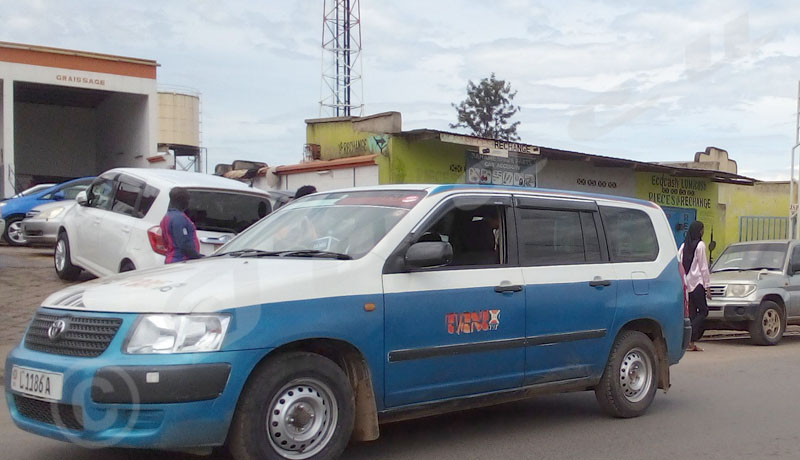
President Ndayishimiye: Directs Enhanced Bujumbura Cangacanga Taxi Regulation
Summary
- "Cangacanga" taxis are now identified as a primary cause of transport disorder in Bujumbura.
- President Évariste Ndayishimiye intends to implement stricter regulation for "cangacanga" taxi operations.
- A critical question has been raised regarding the infrequent circulation of buses as a potential underlying cause of transport issues.
- Upcoming regulatory changes could introduce new compliance requirements, licensing adjustments, or operational restrictions for "cangacanga" taxis.
Focus on Bujumbura's Transport Challenges
Lawyers advising transport companies or individual operators in Bujumbura should therefore closely monitor upcoming legislative or regulatory changes concerning "cangacanga" taxis.
Bujumbura, Burundi's economic capital, is currently grappling with significant challenges in its urban transport sector. A central point of contention and a perceived source of disorder within the city's transit network are the ubiquitous "cangacanga" taxis. These vehicles have increasingly become the primary focus of public and official scrutiny, now being identified as key contributors to the chaotic state of transportation across Bujumbura. The perception is that their operations are a major factor in the overall disarray experienced by commuters and residents alike.
This heightened attention on "cangacanga" taxis marks a shift in how transport issues are framed in the capital. Previously, other factors might have been highlighted, but these informal taxi services are now squarely in the spotlight as the new suspects for the city's transport woes. The daily experience of navigating Bujumbura's streets often involves encounters with these vehicles, leading to a direct association between their presence and the perceived lack of order.
Presidential Mandate for Regulation
In response to these growing concerns, President Évariste Ndayishimiye has publicly articulated a clear intent to address the situation. The President's directive specifically targets the "cangacanga" taxi segment, signaling a forthcoming push for enhanced Bujumbura cangacanga taxi regulation. This move suggests a broader effort towards Burundi transport reform, with a particular emphasis on bringing order and structure to a sector often characterized by informal operations.
President Ndayishimiye's transport policy aims to implement more stringent controls over these vehicles, indicating a significant shift in how these services will be permitted to operate within the capital. This presidential intervention underscores the seriousness with which the government views the current transport landscape and its commitment to establishing new Bujumbura taxi rules. The stated goal is to better regulate their activity, which could lead to substantial changes for operators and commuters alike.
Deeper Look at Systemic Issues
However, the narrative surrounding the "cangacanga" taxis as the sole or primary cause of transport disorder is not universally accepted. A critical question has been raised, suggesting that focusing exclusively on regulating these taxis might overlook more fundamental systemic issues within Bujumbura's public transport infrastructure. Specifically, an inquiry into the infrequent circulation of buses has emerged as a crucial point of discussion.
This perspective posits that the scarcity or unreliability of traditional bus services could be a significant, if not primary, driver of the overall transport challenges. If buses are not adequately serving the city's needs, it naturally creates a vacuum that other, less regulated forms of transport, like "cangacanga" taxis, inevitably fill, potentially contributing to the perceived disorder. Therefore, any comprehensive cangacanga taxi policy Burundi might need to consider this broader context to achieve lasting improvements rather than simply addressing symptoms.
Implications for Operators and Advisors
President Ndayishimiye's stated commitment to better regulate "cangacanga" taxi activity carries substantial implications for all stakeholders in Bujumbura's transport sector. For individual "cangacanga" operators and the companies that manage them, this signals an imminent period of change. Lawyers advising transport companies or individual operators in Bujumbura should therefore closely monitor upcoming legislative or regulatory changes concerning "cangacanga" taxis.
The President's intent to regulate indicates potential new compliance requirements, which could include revised licensing adjustments, stricter operational restrictions, or even changes to permitted routes and pricing structures. These anticipated reforms, driven by the government's focus on Bujumbura cangacanga taxi regulation, will necessitate a thorough understanding of the evolving legal landscape to ensure continued operation and avoid penalties. The future of urban mobility in Bujumbura hinges on how these reforms are implemented and how they balance regulation with the city's existing transport needs.
Practical Implications
Lawyers advising transport companies or individual operators in Bujumbura should monitor upcoming legislative or regulatory changes concerning 'cangacanga' taxis, as President Ndayishimiye's stated intent to regulate indicates potential new compliance requirements, licensing adjustments, or operational restrictions.
Source
How does this affect you?
Get an AI analysis of this article grounded in your jurisdictions, practice areas, and any policy documents you've uploaded to Wansom.
Wansom is AI and can make mistakes.