
Burundi Police: Gitega Market Closure Enforced Daily
Summary
- Gitega's central market is now subject to a daily lockdown, closing at 5:30 PM, enforced by local administration and police.
- These stringent measures are a response to recent devastating fires that destroyed multiple commercial centers across Burundi.
- The market restrictions, intended as an "anti-fire lockdown," are significantly impacting traders and surrounding neighborhoods.
- Affected individuals report experiencing nocturnal police harassment, which they claim is impeding business operations and daily life.
- The situation is described as an "asphyxiation" of local commerce, leading to revived tensions between the community and authorities.
What Happened
The cumulative effect of these Gitega market restrictions traders are enduring, coupled with the reported harassment, has been described by those impacted as an "asphyxiation" of neighboring traders and local commerce.
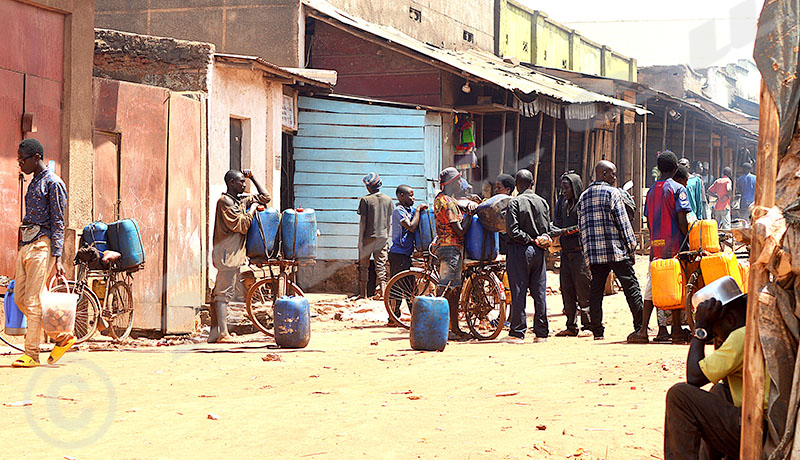
The central market in Gitega, Burundi, is currently subject to stringent new security measures enforced by local administration and police. These Gitega market restrictions traders are now facing include a daily lockdown, with the market gates closing promptly at 5:30 PM. This decisive action follows a series of devastating fires that have recently consumed multiple commercial centers throughout the nation, prompting authorities to implement what they describe as an "anti-fire lockdown" to prevent similar catastrophes within Gitega's bustling commercial hub.
However, the implementation of these strict security protocols extends beyond the market's immediate perimeter, significantly impacting not only the market's regular traders but also residents and businesses in the surrounding neighborhoods. The abrupt daily closure and heightened police presence have created considerable disruption for those who rely on the market for their livelihoods and daily needs. The measures, while ostensibly aimed at enhancing Burundi commercial market security, have generated unintended consequences for the local populace.
Legal & Operational Context
The decision by Gitega authorities to impose an early evening closure on the central market stems directly from a national concern over property destruction. The recent spate of devastating fires affecting various commercial establishments across Burundi has underscored a perceived vulnerability in public markets, leading to a proactive stance by the Gitega administration and police. This Gitega market anti-fire lockdown is therefore presented as a preventative measure, designed to safeguard against potential fire hazards and ensure the long-term viability of the market infrastructure.
Despite the stated security objectives, the rigorous enforcement of these Gitega market restrictions traders and residents are experiencing has been widely criticized. The measures are not merely a procedural closure but involve a significant increase in police activity in and around the market area after hours. This heightened security presence, intended to prevent incidents, has unfortunately led to a different set of problems, particularly for those whose business operations extend into the evening or who reside nearby.
Community & Business Impact
The stringent security measures, particularly the 5:30 PM Gitega market closure, have been met with strong condemnation from affected individuals. Traders and residents in the vicinity of the market report experiencing significant nocturnal police harassment. These complaints describe disruptive and intrusive interactions with law enforcement during evening hours, which they argue are an overreach of the security mandate. This alleged Gitega police market harassment is not only causing distress but is also actively impeding the ability of businesses to operate effectively and for residents to go about their daily lives without undue interference.
The cumulative effect of these Gitega market restrictions traders are enduring, coupled with the reported harassment, has been described by those impacted as an "asphyxiation" of neighboring traders and local commerce. This severe disruption to Burundi business operations Gitega is experiencing is not just economic; it is also contributing to a palpable increase in social friction. The grievances voiced by the affected community indicate that these security measures, rather than fostering a sense of safety, are instead reviving underlying tensions between the public and local authorities.
Why It Matters
The situation in Gitega highlights a critical tension between public safety imperatives and the economic well-being of local communities. While the intent behind the Gitega market anti-fire lockdown may be to protect valuable commercial assets from devastating fires, the method of implementation, particularly the early Gitega market closure and subsequent police actions, is generating significant negative externalities. The complaints of nocturnal Gitega police market harassment and the broader "asphyxiation" of local trade point to a policy that, while addressing one risk, may be creating others, including economic hardship and social unrest.
For businesses operating in Gitega, these developments necessitate a careful assessment of the legality and scope of such administrative market restrictions. Legal advisors should evaluate potential police overreach and guide clients on strategies to mitigate operational disruptions. This includes ensuring compliance with new security measures while also exploring avenues for addressing alleged harassment or seeking remedies for economic losses. The ongoing situation underscores the importance of balancing security concerns with the fundamental rights and economic needs of traders and residents, as the current approach risks further reviving tensions within the community.
Practical Implications
Lawyers advising businesses operating in Gitega should assess the legality and scope of these administrative market restrictions and potential police overreach. This development may necessitate advising clients on mitigating operational disruptions, ensuring compliance with new security measures, or pursuing remedies for alleged harassment.
Source
How does this affect you?
Get an AI analysis of this article grounded in your jurisdictions, practice areas, and any policy documents you've uploaded to Wansom.
Finish Reading the Full Story and the Expert Analysis.
Get the latest legal & regulatory intelligence in Burundi
Wansom is AI and can make mistakes.