
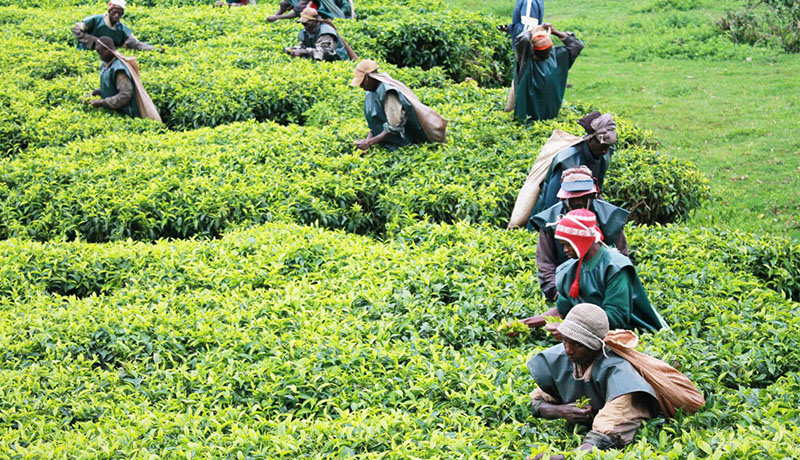
Burundi OTB Tea Production Challenges: Calls for Governance Reform
Summary
- Burundi's tea sector faces declining production due to low tea leaf prices, lack of grower interest, and fertilizer shortages.
- The Office du Thé du Burundi (OTB) management has acknowledged the production drop and announced upcoming countermeasures.
- Faustin Ndikumana has publicly called for a deep reform of governance across all public enterprises in Burundi.
- These challenges highlight significant Burundi agricultural investment risks and potential shifts in governance for state-owned entities.
- The difficulties in théiculture Burundi underscore the need for strategic reforms to stabilize the industry.
Burundi's Tea Sector Grapples with Production Decline
Lawyers advising clients on Burundi agricultural investment risks should closely monitor these developments, as changes in the regulatory and operational landscape for entities like the OTB could directly impact compliance requirements, operational strategies, and investment returns.
The tea industry in Burundi is currently facing significant headwinds, leading to a noticeable reduction in overall production. Key factors contributing to this downturn include the persistently low prices offered for tea leaves, which has diminished the financial incentive for growers. This economic disincentive has, in turn, fostered a general lack of engagement among tea cultivators, further exacerbating the sector's difficulties.
Adding to these challenges is a critical shortage of essential fertilizers, impacting crop yields and quality. These combined issues represent some of the most pressing obstacles confronting the Office du Thé du Burundi (OTB) and the nation's broader tea sector. The management of the OTB has publicly acknowledged the decline in production and has indicated that measures are being developed to counteract this trend and stabilize the industry.
Calls for Deep Governance Reform Emerge
Amidst the struggles of the tea sector, a prominent voice, Faustin Ndikumana, has advocated for a comprehensive overhaul of governance within public enterprises in Burundi. This call for deep reform suggests a recognition that systemic issues, potentially related to management and operational structures, may be contributing to the difficulties experienced by entities like the OTB. Such reforms could aim to enhance efficiency, transparency, and accountability across state-owned entities.
The emphasis on governance reform highlights a potential shift in how Burundi's public enterprises, including those vital to the agricultural sector, might operate in the future. Addressing these foundational issues could be seen as a crucial step towards resolving the challenges currently impacting tea production and ensuring the long-term viability of the industry. This perspective underscores the interconnectedness of operational difficulties with broader institutional frameworks, particularly for organizations like the Office du Thé du Burundi.
Implications for Investment and Agricultural Policy
The ongoing Burundi OTB tea production challenges, characterized by low prices, grower disinterest, and fertilizer scarcity, carry significant implications for both domestic policy and potential foreign investment in the nation's agricultural sector. The acknowledged decline in output, coupled with calls for fundamental governance reform within state-owned enterprises, signals a period of potential instability but also opportunity for strategic adjustments. Lawyers advising clients on Burundi agricultural investment risks should closely monitor these developments, as changes in the regulatory and operational landscape for entities like the OTB could directly impact compliance requirements, operational strategies, and investment returns.
For stakeholders involved with state-owned enterprises in Burundi, the push for Gouvernance entreprises publiques Burundi reform could lead to significant shifts in operational frameworks and oversight. These potential reforms, aimed at improving the efficiency and effectiveness of the tea sector, could redefine the risk-reward profile for investors and necessitate a re-evaluation of existing business models. The difficulties faced by the théiculture Burundi sector underscore the need for robust legal and strategic counsel to navigate evolving regulatory environments and mitigate potential investment risks.
Practical Implications
Lawyers advising clients in Burundi's agricultural sector or those involved with state-owned enterprises should monitor potential governance reforms and regulatory changes stemming from the challenges faced by the OTB, which could impact investment, compliance, or operational strategies.
Source
Source: Original reporting via Iwacu
How does this affect you?
Get an AI analysis of this article grounded in your jurisdictions, practice areas, and any policy documents you've uploaded to Wansom.
Finish Reading the Full Story and the Expert Analysis.
Wansom is AI and can make mistakes.