
Burundi: Media's Dual Role in Hate Speech and Community Cohesion
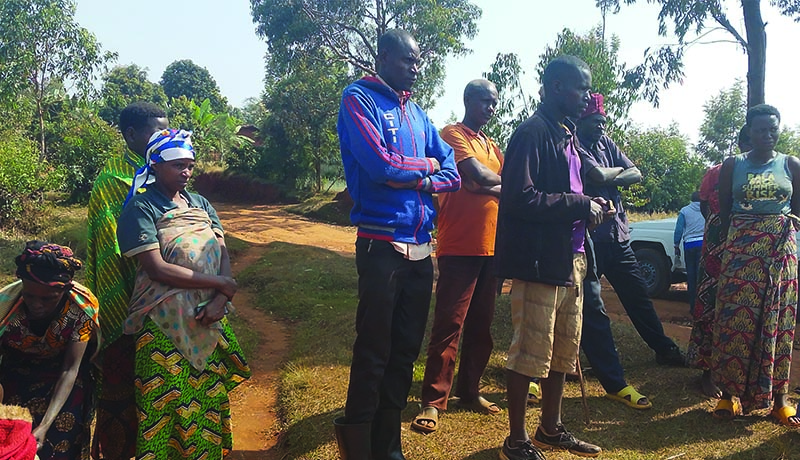
Residents in Ngara hill, Mwaro commune, Burundi, recently voiced significant concerns regarding the media's role in either fostering reconciliation or exacerbating societal divisions through hate speech, underscoring a collective desire for media accountability in a society still grappling with past traumas.
This public sentiment carries substantial legal significance for practitioners, businesses, and the broader public in Burundi. It highlights the persistent tension between the constitutional right to freedom of expression and the imperative to prevent incitement to hatred, which can have profound implications for social cohesion, national security, and human rights. For legal professionals, it signals a potential for increased scrutiny of media content, heightened regulatory enforcement, and possibly even legislative pressure for reforms aimed at curbing harmful narratives. Businesses involved in media, advertising, or content distribution face an elevated risk of reputational damage, regulatory penalties, or even legal action if their platforms are perceived to facilitate hate speech.
Burundi's legal framework includes several instruments pertinent to media regulation and public order. The 2015 Press Law (Loi n°1/11 du 22 avril 2015 portant révision de la loi n°1/02 du 24 janvier 2003 portant réglementation de la presse au Burundi) contains specific articles addressing journalistic ethics, responsibility, and prohibitions against incitement to hatred or violence. Furthermore, the Penal Code (Loi n°1/05 du 22 avril 2017 portant Code Pénal du Burundi) criminalizes certain forms of speech, including incitement to ethnic hatred or discrimination, carrying potential criminal sanctions. The National Communication Council (CNC) serves as the primary regulatory body overseeing media conduct and enforcing these provisions. International human rights instruments, such as the International Covenant on Civil and Political Rights (ICCPR), to which Burundi is a state party, also provide a framework for permissible restrictions on freedom of expression, particularly concerning hate speech.
Key parties involved in this discourse include the residents of Ngara hill, representing the public's demand for responsible media; various media outlets operating within Burundi; the National Communication Council (CNC) as the regulatory authority; and potentially the Burundian judiciary, which would adjudicate any cases of hate speech brought before the courts. The government, through its legislative and executive branches, also plays a crucial role in shaping and enforcing media policy and ensuring public order.
Attorneys advising media organizations, journalists, or civil society groups in Burundi should closely monitor public discourse, regulatory actions, and judicial interpretations concerning hate speech. It is imperative to ensure strict compliance with the 2015 Press Law and the Penal Code, particularly provisions related to incitement, defamation, and public order. Businesses involved in content creation or distribution must review and strengthen their internal content moderation policies and ethical guidelines to mitigate legal and reputational risks associated with propagating harmful narratives. Legal professionals should also stay abreast of any new guidelines or enforcement trends from the CNC and be prepared to navigate potential challenges to media freedom while upholding the critical responsibility to prevent incitement to hatred.
How does this affect you?
Get an AI analysis of this article grounded in your jurisdictions, practice areas, and any policy documents you've uploaded to Wansom.
Finish Reading the Full Story and the Expert Analysis.
Wansom is AI and can make mistakes.