
Burundi: Neglect Fuels Lake Environmental Protection Issues
Summary
- Burundi's lakes are currently undervalued and face significant environmental threats.
- Pollution and the widespread disregard for buffer zones are major concerns impacting these vital ecosystems.
- The country is not adequately benefiting from the rich animal resources found within its lakes.
- Key economic sectors like lake tourism and lacustrine transport remain underdeveloped in Burundi.
Overlooked Natural Heritage
The failure to uphold these basic environmental safeguards poses a severe risk to the long-term health of Burundi's aquatic environments.
On August 27th each year, the world observes International Lakes Day, a time for reflection on these vital ecosystems. In Burundi, however, this annual observance highlights a concerning reality: the nation's numerous lakes, despite their inherent value, are consistently undervalued. These natural assets, which form a significant part of the country's heritage, are not receiving the attention or protection they require, leading to a state of general neglect rather than appreciation.
The prevailing sentiment is that these crucial water bodies are not being adequately leveraged for their full potential. Instead of being celebrated and utilized sustainably, they face a multitude of threats that undermine their ecological integrity and and future viability. This lack of proper valuation extends beyond mere sentiment, manifesting in tangible environmental degradation that impacts the lakes directly.
Mounting Environmental Pressures
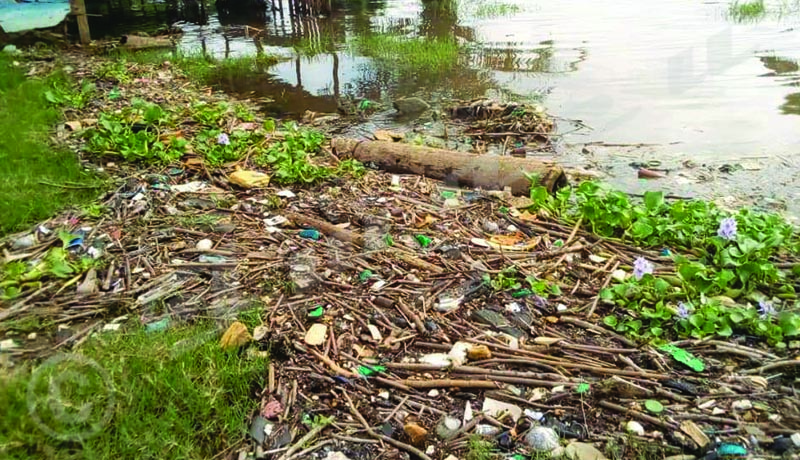
Among the most pressing Burundi lake environmental protection issues is the pervasive threat of pollution. Various sources contribute to the contamination of these freshwater systems, jeopardizing aquatic life and the overall health of the ecosystems. This environmental degradation is a direct consequence of insufficient protective measures and a lack of adherence to sustainable practices within and around these sensitive areas.
Further exacerbating these challenges is the widespread disregard for established buffer zones around the lakes. These critical protective strips of land are designed to prevent erosion, filter pollutants, and maintain ecological balance. Their non-respect indicates a significant regulatory or enforcement gap, allowing human activities to encroach directly upon the lake shores and contribute to their deterioration. The failure to uphold these basic environmental safeguards poses a severe risk to the long-term health of Burundi's aquatic environments.
Underutilized Economic Resources
Beyond the immediate environmental concerns, the economic potential of Burundi's lakes remains largely untapped. The rich animal wealth, encompassing diverse aquatic species and fisheries, is not generating the expected benefits for the nation. This underutilization suggests a lack of effective management strategies or infrastructure to sustainably harvest and commercialize these valuable resources in a manner that contributes significantly to the national economy.
Moreover, key sectors such as lake tourism and lacustrine transport are still in their nascent stages of development. Despite the natural beauty and potential for recreational and commercial activities, these industries have not matured sufficiently to contribute meaningfully to local livelihoods or national revenue. The embryonic state of these sectors represents a missed opportunity for economic diversification and growth, further underscoring the broader issue of neglected natural assets.
A Call for Strategic Engagement
The cumulative effect of these challenges—from pollution and buffer zone violations to the underdevelopment of key economic sectors—paints a picture of significant strategic oversight. Burundi's lakes, which could serve as engines for environmental stability and economic prosperity, are instead struggling under the weight of neglect and inadequate management. Addressing these multifaceted issues requires a concerted effort to implement robust environmental protection policies and foster sustainable economic development initiatives.
Ultimately, the current state of Burundi's lakes highlights a critical need for a paradigm shift in how these invaluable natural treasures are perceived and managed. Moving forward, a focus on comprehensive environmental protection, coupled with strategic investment in sustainable tourism and transport, will be essential to unlock their full potential and ensure their preservation for future generations.
Source
How does this affect you?
Get an AI analysis of this article grounded in your jurisdictions, practice areas, and any policy documents you've uploaded to Wansom.
Finish Reading the Full Story and the Expert Analysis.
Wansom is AI and can make mistakes.