
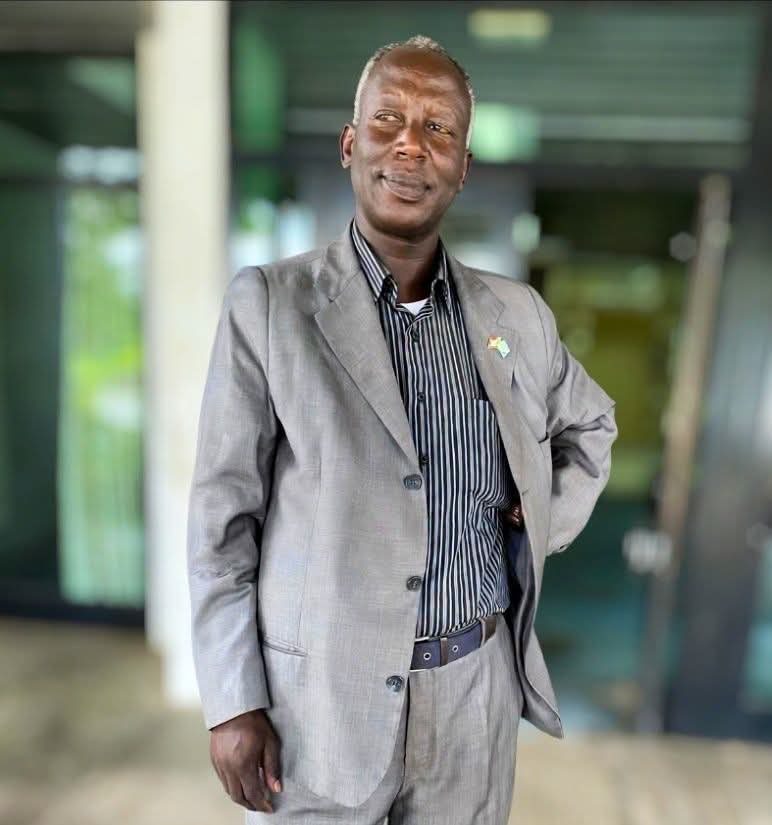
Burundi: Bonaventure Niyongabo Released From SNR Detention
Summary
- Senior cameraman Bonaventure Niyongabo, also known as Gihuha, was released on Tuesday evening, November 26, 2026.
- He had been detained for several days in the cells of the National Intelligence Service (SNR) headquarters in Burundi.
- No official explanation was ever provided for his arrest or the reasons for his detention by the SNR.
- His release reportedly followed an intervention by the National Independent Human Rights Commission (CNIDH).
- Niyongabo was released suddenly, without time to collect his phone, surprising his family.
Cameraman's Sudden Release in Burundi
His arbitrary detention by the National Intelligence Service Burundi, without any official explanation for several days, exemplifies the risks associated with reporting in a climate where state security organs can act without immediate public accountability.
Senior cameraman Bonaventure Niyongabo, known by his nickname Gihuha, was unexpectedly released from detention on Tuesday evening, November 26, 2026, around 9 p.m. His family, who had been awaiting news, described the release as sudden and surprising. According to sources close to his family, Niyongabo was preparing to take a shower when he received instructions to get ready to depart his place of confinement. He was reportedly given no time to retrieve his personal belongings, specifically his phone, before being escorted out.
This development followed a period of several days during which Niyongabo was held without any public explanation for his arrest or the reasons behind his confinement. The lack of transparency surrounding his detention had been a significant concern for his colleagues and family, leaving them without official information regarding his status or the charges, if any, against him.
Detention by National Intelligence Service
Bonaventure Niyongabo had been held within the facilities of the National Intelligence Service (SNR) headquarters in Burundi. The SNR, a key state security organ, had maintained his detention for multiple days without issuing any formal statement or justification for its actions. This silence from the authorities meant that the specific allegations or circumstances leading to the senior cameraman's arrest remained undisclosed to the public and his family throughout his confinement.
The detention by the National Intelligence Service Burundi without official explanation is a recurring concern for human rights observers. The absence of transparency regarding the grounds for arrest and the duration of holding individuals, particularly those in sensitive professions like journalism, raises questions about due process and legal safeguards within the country.
Human Rights Commission's Reported Role
The release of Bonaventure Niyongabo reportedly came about following an intervention by the National Independent Human Rights Commission (CNIDH). This body's involvement is understood to have played a crucial role in securing the cameraman's freedom after his unexplained detention. The Burundi human rights commission intervention highlights the potential, albeit sometimes limited, influence of independent oversight bodies in cases of arbitrary detention.
While the specific details of the CNIDH's intervention were not publicly disclosed, its reported involvement underscores the importance of such institutions in advocating for individuals held without clear legal justification. The commission's action provided a pathway for resolution in a situation where official channels had remained silent regarding the reasons for Niyongabo's confinement by the SNR.
Broader Implications for Media in Burundi
The case of Bonaventure Niyongabo, a senior cameraman for Burundian state media, serves as a stark reminder of the challenges faced by journalists in the country. His arbitrary detention by the National Intelligence Service Burundi, without any official explanation for several days, exemplifies the risks associated with reporting in a climate where state security organs can act without immediate public accountability. This incident contributes to ongoing concerns about Burundi journalist arbitrary detention.
The lack of transparency surrounding the arrest and subsequent release of Bonaventure Niyongabo Gihuha emphasizes the precarious environment for media professionals. It highlights the potential for individuals to be held by the SNR without due process, making it difficult for families and legal representatives to ascertain the grounds for detention or to secure timely intervention. This situation calls for continued vigilance regarding human rights and press freedom in Burundi.
Practical Implications
Lawyers advising clients operating in Burundi, particularly those in media or sensitive sectors, should be aware of the continued risk of arbitrary detention by state security organs like the SNR, often without official explanation or due process. This case underscores the potential for intervention by bodies like the CNIDH, but also the inherent legal uncertainty and lack of transparency in such detentions, requiring vigilance regarding client safety and legal recourse.
Source
How does this affect you?
Get an AI analysis of this article grounded in your jurisdictions, practice areas, and any policy documents you've uploaded to Wansom.
Finish Reading the Full Story and the Expert Analysis.
Get the latest legal & regulatory intelligence in Burundi
Wansom is AI and can make mistakes.