
Burundi: Ntole Rugonderani Arrested, Congolese Refugee Detained
Summary
- Ntole Rugonderani, a 70-year-old Congolese Banyamulenge refugee and catechist, was arrested by Burundi's National Intelligence Service (SNR) on September 20, 2026, from his home in Bwagiriza camp.
- His detention, which occurred without a warrant or stated reason, is suspected to be linked to a recent family visit to Rwanda, a country with tense relations with Burundi.
- This incident is part of a broader wave of arbitrary arrests in Bujumbura since early September, including several religious leaders like Pastor Jalos Nkunda Kilaya, his wife, and a family member.
- Many of those detained, including Pastor Gédéon Nzayitegaho, have been taken to SNR headquarters or undisclosed locations, with no official reasons provided for their apprehension.
- These detentions unfold against a backdrop of regional conflict in eastern DRC, where Burundian forces are engaged, and heightened tensions between Burundi and Rwanda.
Recent Detentions Raise Alarm in Burundi
The arrests, often carried out by the National Intelligence Service without warrants or public explanation, underscore a troubling pattern of arbitrary detentions targeting individuals, including religious leaders and refugees, amidst escalating regional tensions.
Concern is mounting in eastern Burundi following the September 20, 2026, arrest of Ntole Rugonderani, a 70-year-old Congolese refugee and respected catechist from the Banyamulenge community. Mr. Rugonderani, known for his quiet demeanor and affiliation with the Assemblies of God Community in Burundi (CADP), was detained at his home within the Bwagiriza camp, located in Ruyigi district, Buhumuza province. Security forces initially apprehended him before local agents of the National Intelligence Service (SNR) took him into custody, transporting him to an undisclosed location, which witnesses suspect to be an SNR cell.
No warrant was presented during the Ntole Rugonderani arrest, nor was any specific explanation provided for the charges against him. Information suggests that a recent trip to Rwanda to visit family members is being considered as a potential reason for his detention. This heightened scrutiny of Banyamulenge individuals traveling to Rwanda reflects the strained diplomatic relations between Gitega and Kigali, placing community members under increased surveillance by Burundian security services.
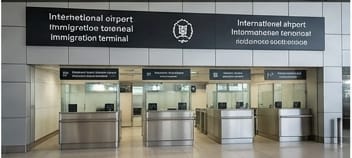
This incident is not isolated, occurring amidst a broader wave of arbitrary arrests in Burundi's commercial capital, Bujumbura, since early September. Among those apprehended are several religious leaders, including Pastor Jalos Nkunda Kilaya, who was detained on September 8 at Melchior Ndadaye International Airport as he prepared to travel to Kigali. Following his arrest, SNR agents conducted a search of his home, during which his wife, Jacqueline Nyiramasoso, and a young student family member named Merci, were also taken into custody. Other religious figures, Pastor Gédéon Nzayitegaho and Pastor Marc Ntayoberwa, have also been arrested; Pastor Nzayitegaho was apprehended on September 10 at his Carmelite Church in the Mutakura neighborhood, north of Bujumbura. The precise reasons for these arrests have not been officially disclosed.
The National Intelligence Service Under Scrutiny
The National Intelligence Service (SNR) plays a central role in these recent detentions, with reports indicating their involvement in the apprehension of Ntole Rugonderani and the religious leaders in Bujumbura. Many of those arrested, including the pastors, have reportedly been taken to the SNR headquarters situated near Regina Mundi Cathedral in Bujumbura, while others, like Mr. Rugonderani, are held in undisclosed locations. The consistent absence of warrants or official explanations for these detentions highlights a concerning lack of due process.
Organizations like SOS-Torture Burundi have also documented numerous arrests attributed to SNR agents, reinforcing the pattern of Burundi National Intelligence Service detentions without transparent legal justification. The arrests of religious leaders, particularly those with perceived connections to Rwanda or the Banyamulenge community, underscore the vulnerability of certain groups to arbitrary detention, raising significant human rights concerns.
Regional Instability Fuels Domestic Crackdown
These arbitrary arrests and Banyamulenge detentions by Burundi's SNR unfold against a complex regional backdrop marked by ongoing conflict in the eastern Democratic Republic of Congo (DRC) and persistent Burundi Rwanda tensions. Burundi has been actively involved in the eastern DRC conflict, deploying over 29,000 soldiers between August 2022 and December 2025, according to an internal report from the Congolese Ministry of Interior and Security. These forces operate alongside the Congolese loyalist army (FARDC) and Kinshasa-backed Wazalendo militias, primarily targeting the AFC-M23.
After withdrawing from North Kivu alongside Southern African Development Community (SADC) forces and foreign mercenaries, Burundian soldiers repositioned to South Kivu, where they have been engaged in operations for more than 20 months. Fighting continues, particularly in the highlands of Fizi and Mwenga, against Twirwaneho fighters. The DRC government accuses Rwanda of supporting the AFC-M23, an allegation Kigali denies, though reports from the UN Group of Experts indicate Rwandan backing for the movement. The AFC, described by the United Nations Security Council as a politico-militia, is led by Corneille Nangaa, former president of the Independent National Electoral Commission (CENI) of the DRC. This volatile geopolitical environment appears to be a significant factor contributing to the increased scrutiny and arbitrary arrests of individuals within Burundi, especially those perceived to have cross-border ties or affiliations.
Practical Implications
Lawyers and compliance officers should advise clients, particularly those with ties to Rwanda or the Banyamulenge community, of the heightened risk of arbitrary detention and lack of due process in Burundi, as evidenced by the SNR's actions against refugees and religious leaders without warrants or stated reasons. This situation necessitates a review of travel advisories and political risk assessments for operations in the region.
Source
How does this affect you?
Get an AI analysis of this article grounded in your jurisdictions, practice areas, and any policy documents you've uploaded to Wansom.
Finish Reading the Full Story and the Expert Analysis.
Get the latest legal & regulatory intelligence in Burundi
Wansom is AI and can make mistakes.