
Burkina Gendarmerie: Ouessa Seizes Over 42 Tons Illicit Inputs
Summary
- The Ouessa Territorial Gendarmerie Brigade seized 42.5 tonnes of unapproved fertilizers and 1.29 tonnes of unapproved pesticides.
- The total value of the confiscated agricultural products is estimated at nearly 22 million FCFA.
- These seizures resulted from two significant operations conducted in the Ioba province, with the first initiated in May 2026.
- The initial operation was prompted by intelligence provided by a local society.
- The gendarmerie issued a press release detailing these actions on August 19, 2026.
Recent Seizures by Ouessa Gendarmerie
The absence of official approval means there is no governmental guarantee regarding their quality, precise chemical composition, or safe application protocols, rendering their distribution a serious regulatory violation designed to safeguard both agricultural producers from economic loss and the wider ecosystem from contamination.
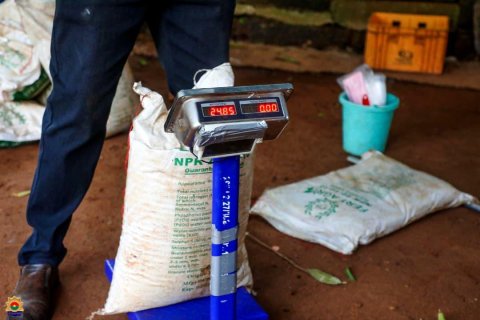
The Brigade territoriale de gendarmerie de Ouessa has successfully concluded two significant enforcement actions within the Ioba province, leading to the substantial confiscation of illicit agricultural inputs. These operations resulted in the seizure of 42.5 metric tons of fertilizers and an additional 1.29 metric tons of pesticides, all of which lacked the necessary official homologation. The combined market value of these unapproved products is estimated to be nearly 22 million FCFA, representing a considerable disruption to the illegal trade of agricultural chemicals in the region.
According to an official press release disseminated by the Ouessa Territorial Gendarmerie Brigade on August 19, 2026, the first of these critical interventions was initiated in May 2026. This initial action was directly prompted by specific intelligence that had been provided by a local society, indicating the presence and distribution of these non-compliant materials. The successful execution of both operations underscores the gendarmerie's proactive stance and ongoing commitment to regulating the agricultural sector, aiming to prevent the circulation of potentially harmful or ineffective products within the local farming communities.
Understanding Regulatory Non-Compliance
The designation "non-homologated" is a critical legal and safety classification that underpins the significance of these seizures. Homologation refers to the mandatory official approval process that agricultural products, including fertilizers and pesticides, must undergo before they can be legally manufactured, imported, distributed, or sold within a national jurisdiction. This stringent process typically involves comprehensive scientific testing and evaluation to ensure that the products meet established national and international standards for efficacy, environmental safety, and human health protection.
Products that have not received this essential homologation pose a multitude of risks. They may contain undeclared or prohibited substances, be ineffective for their advertised purpose, or contribute to severe environmental degradation through improper chemical composition. Crucially, the absence of official approval means there is no governmental guarantee regarding their quality, precise chemical composition, or safe application protocols, rendering their distribution a serious regulatory violation designed to safeguard both agricultural producers from economic loss and the wider ecosystem from contamination.
Broader Implications for Agriculture and Public Health
The confiscation of over 42 tonnes of unapproved fertilizers and more than a tonne of illicit pesticides carries profound implications for Burkina Faso's agricultural sector, public health, and environmental integrity. Farmers who inadvertently or knowingly use non-homologated products face significant risks, including not only substantial financial losses due to compromised crop yields but also potential long-term damage to their valuable soil quality and overall farm productivity. Furthermore, the uncontrolled application of unapproved pesticides can lead to the contamination of food supplies, posing direct and serious health risks to consumers and potentially introducing harmful residues into the broader ecological food chain.
Beyond the immediate agricultural and health concerns, the sheer volume of these seized illicit materials highlights a persistent and challenging issue in effectively regulating the supply chain for critical agricultural inputs. These decisive operations by the Ouessa gendarmerie serve as a vital deterrent against the illegal trade of unapproved substances, thereby reinforcing the paramount importance of stringent governmental oversight and enforcement to protect both the economic viability and sustainability of farming communities and the collective health and safety of the general population.
Source
How does this affect you?
Get an AI analysis of this article grounded in your jurisdictions, practice areas, and any policy documents you've uploaded to Wansom.
Wansom is AI and can make mistakes.