
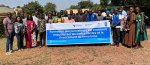
Burkina Faso: Journalists Receive Terrorism Financing Investigation Training
Summary
- Thirty journalists in Koudougou, Burkina Faso, received training on investigating illicit trafficking and terrorism financing.
- The workshop, held from October 27 to 30, was a joint initiative by CENOZO, ONUDC, and PNUD.
- The training aimed to enhance media capacity to report on complex financial crimes.
- This collaboration underscores a significant effort to combat illicit financial flows and terrorism funding in the region.
- The initiative suggests increased scrutiny and potential enforcement actions for businesses regarding financial compliance.
Investigative Journalism Boosted in Burkina Faso
The specialized training provided to these thirty journalists indicates a strategic move to leverage media as a critical partner in the national and international fight against financial crimes, thereby creating an environment where compliance with anti-money laundering and counter-terrorism financing regulations will be under greater public and official examination.
A specialized training workshop recently concluded in Koudougou, Burkina Faso, bringing together thirty journalists to enhance their skills in uncovering complex financial crimes. The program, which ran from October 27 to 30, focused specifically on methodologies for investigating illicit trafficking and the financing of terrorism. This initiative represents a significant step in bolstering media capacity to report on sensitive and critical issues impacting national security and economic stability.
The intensive four-day session was designed to equip participants with the tools and knowledge necessary for in-depth reporting on these challenging subjects. By focusing on practical investigative techniques, the training aimed to empower journalists to play a more active role in the broader effort to combat financial malfeasance. The event also featured an opening ceremony, underscoring the formal commitment to this crucial area of development for the media sector in Burkina Faso.
Concerted Effort Against Financial Crimes
The workshop on Burkina Faso terrorism financing investigation training was a collaborative undertaking by several key international and regional organizations. The Cellule Norbert Zongo pour le journalisme d'investigation en Afrique de l'Ouest (CENOZO) spearheaded the organization, working in conjunction with the United Nations Office on Drugs and Crime (ONUDC) and the United Nations Development Programme (PNUD). This joint effort highlights a shared recognition of the urgent need to address the intricate networks behind illicit trafficking and the funding of terrorist activities.
The involvement of CENOZO Burkina Faso, ONUDC Burkina Faso, and PNUD Burkina Faso signals a multi-faceted approach to strengthening governance and accountability. By empowering journalists with specialized knowledge in areas like Lutte trafics illicites Burkina Faso and Financement terrorisme Burkina Faso, these organizations aim to foster greater transparency and public awareness, which are vital components in disrupting criminal enterprises and enhancing the rule of law.
Implications for Compliance and Enforcement
The emphasis on training journalists in investigative reporting concerning illicit trafficking and terrorism financing carries significant implications for compliance officers and legal counsel operating within Burkina Faso. This heightened focus, supported by international bodies, suggests an impending increase in public scrutiny and potentially more rigorous enforcement actions or regulatory adjustments affecting businesses and financial institutions. The development of Journalisme investigation Burkina Faso capabilities means that previously opaque financial flows and illicit activities are more likely to be exposed.
Businesses and financial entities in Burkina Faso should anticipate a landscape where transparency is increasingly demanded, and the risks associated with illicit financial activities are brought to the forefront. The specialized training provided to these thirty journalists indicates a strategic move to leverage media as a critical partner in the national and international fight against financial crimes, thereby creating an environment where compliance with anti-money laundering and counter-terrorism financing regulations will be under greater public and official examination.
Practical Implications
Compliance officers and legal counsel in Burkina Faso should anticipate increased scrutiny and potential investigations into illicit trafficking and terrorism financing. The training of journalists on these topics by international bodies suggests a heightened focus that could lead to more public exposure, enforcement actions, or regulatory changes affecting businesses and financial institutions.
Source
Source: Original reporting via Société
How does this affect you?
Get an AI analysis of this article grounded in your jurisdictions, practice areas, and any policy documents you've uploaded to Wansom.
Wansom is AI and can make mistakes.