
Burkina Faso SOAC Accreditation UEMOA Compliance Boosts Economic Growth
Summary
- Burkina Faso's SOAC accreditation is a key step towards strengthening its quality management and metrology standards.
- The country must comply with UEMOA regulations to remain competitive in regional trade.
- SOAC accreditation will contribute to the achievement of the Sustainable Development Goals (SDGs) outlined in the Agenda Impact 2030.
- Lawyers should monitor these developments for implications on compliance with UEMOA regulations and national development goals.
What Happened
The successful implementation of quality management and metrology standards will not only enhance the country's competitiveness but also contribute to the achievement of the Sustainable Development Goals (SDGs) outlined in the Agenda Impact 2030.
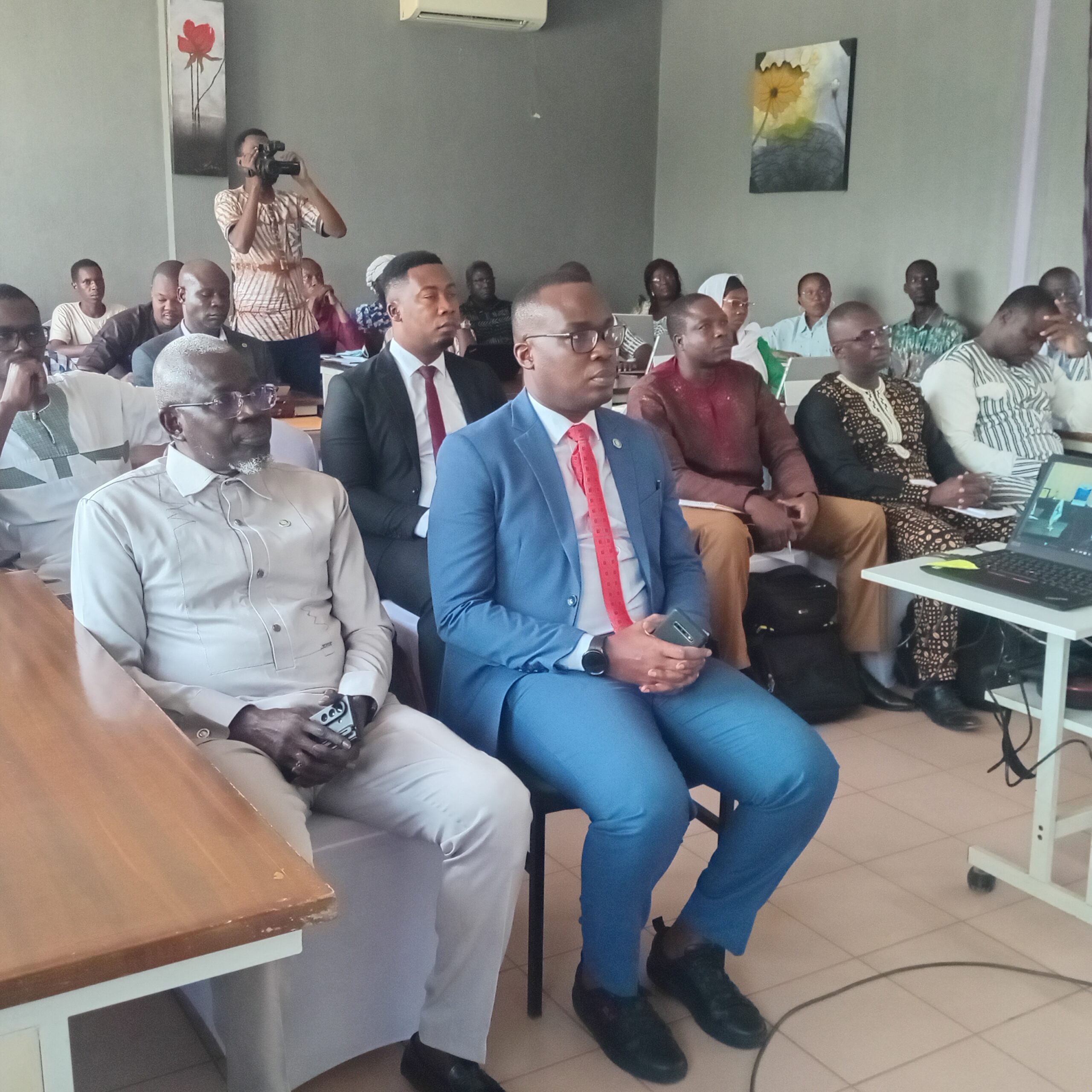
The Burkinabè Agency for Normalization, Metrology and Quality (ANM-Q) hosted a national workshop on August 13, 2026, to discuss the role of SOAC accreditation in Burkina Faso's national development plan (PND) 2026-2030 and the UEMOA Agenda Impact 2030. The event aimed to raise awareness about the benefits of SOAC accreditation for the country's economic growth and sustainable development. Attendees included representatives from government ministries, private sector companies, and international organizations. The workshop was part of Burkina Faso's efforts to strengthen its quality management and metrology standards.
Legal Context
Burkina Faso's SOAC accreditation is a significant development in the country's compliance with UEMOA regulations. As a member state of the West African Economic and Monetary Union (UEMOA), Burkina Faso must adhere to the union's standards for quality management and metrology. The SOAC accreditation process involves an evaluation of a country's national standards, testing, and calibration capabilities against international benchmarks. This accreditation is essential for ensuring that products and services meet regional and global quality requirements.
Why It Matters
The implications of Burkina Faso's SOAC accreditation extend beyond the country's borders. As a key player in regional trade, Burkina Faso's compliance with UEMOA regulations has far-reaching consequences for its economic growth and development. The successful implementation of quality management and metrology standards will not only enhance the country's competitiveness but also contribute to the achievement of the Sustainable Development Goals (SDGs) outlined in the Agenda Impact 2030. Lawyers advising clients on trade and investment matters should closely monitor these developments, as they may impact compliance with UEMOA regulations and national development goals.
Practical Implications
Lawyers should watch for the implications of Burkina Faso's SOAC accreditation on compliance with UEMOA regulations and national development goals, particularly in relation to quality management and metrology standards.
Source
How does this affect you?
Get an AI analysis of this article grounded in your jurisdictions, practice areas, and any policy documents you've uploaded to Wansom.
Wansom is AI and can make mistakes.